Shocked by Your Heating Bill? 3 Hidden HVAC Issues That Cost You Money
January 15, 2026
You check the mail (or your email inbox), open the utility bill for January, and your jaw drops. The total is significantly higher than last month—and maybe even higher than last year.
In the New River Valley, we expect heating costs to rise in the winter. It takes a lot of energy to keep a home at 70°F when it is 20°F outside in Blacksburg. However, a sudden, unexplained spike usually indicates inefficiency or a malfunction, not just cold weather.
At Air Tech Heating & Cooling, we help homeowners stop paying for wasted energy. Before you dial down the thermostat and put on three sweaters, check these three hidden culprits that might be draining your wallet.
1. The "Suffocating" System (Dirty Air Filters)
It sounds too simple to be true, but a dirty air filter is the #1 cause of HVAC inefficiency and breakdowns.
- The Mechanism: Your system needs to breathe. When the filter is clogged with dust, pet hair, and pollen, the blower motor has to work twice as hard to pull air through that blockage. This draws more electricity and causes the unit to run for longer cycles to satisfy the thermostat.
- The Cost: This can increase energy usage by 15% or more.
- The Fix: Check your filter monthly. If you hold it up to a light and can't see through it, change it! It’s the cheapest repair you can make.
2. Leaky Ductwork: Heating the Neighborhood
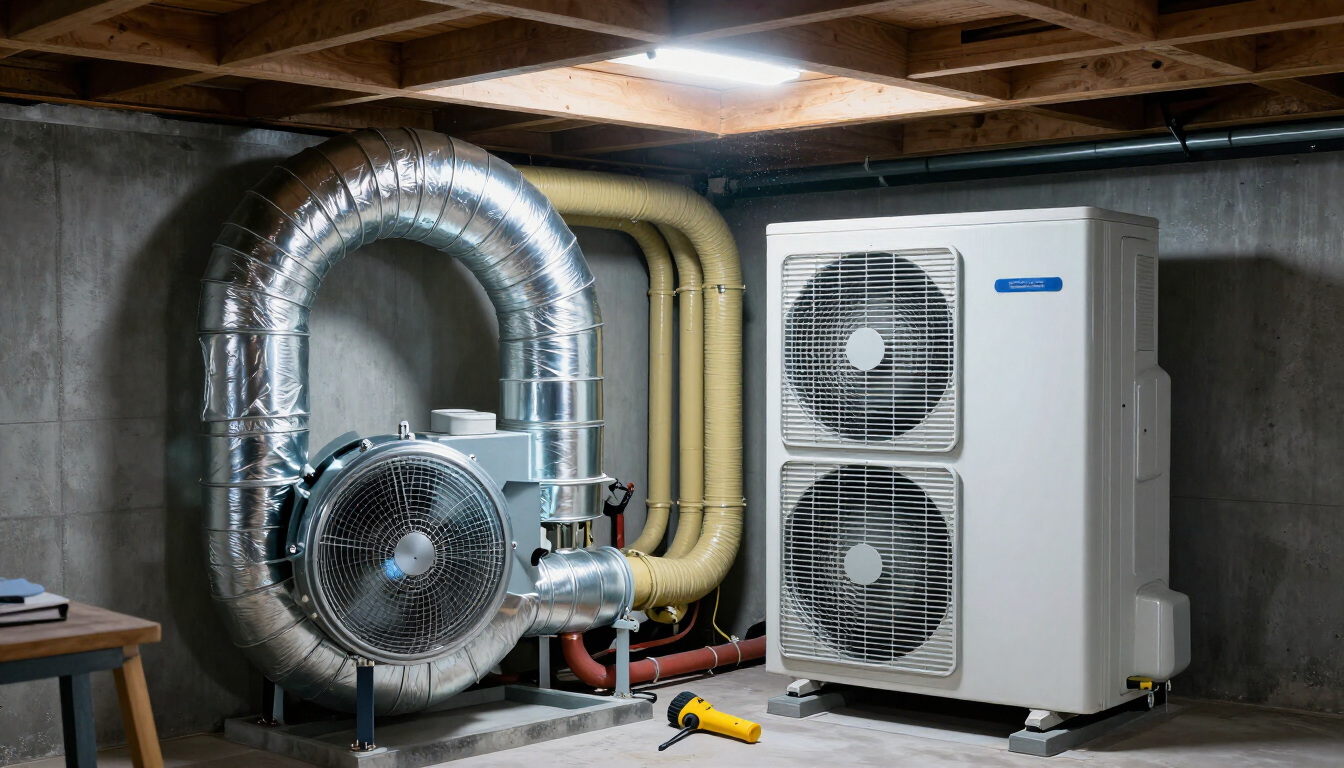
You pay good money to heat the air in your furnace, but does that air actually reach your living room? In many older homes, the ductwork running through the attic or crawlspace has developed gaps, holes, or disconnects over time.
- The Problem: You might be losing 20% to 30% of your heated air into your uninsulated attic. Essentially, you are paying to heat the squirrels and the spiders while your bedroom stays freezing cold.
- The Fix: We perform professional duct inspections. We can seal those leaks with mastic or specialized tape, ensuring every dollar you spend on heat actually warms your family.
3. The "Emergency Heat" Trap
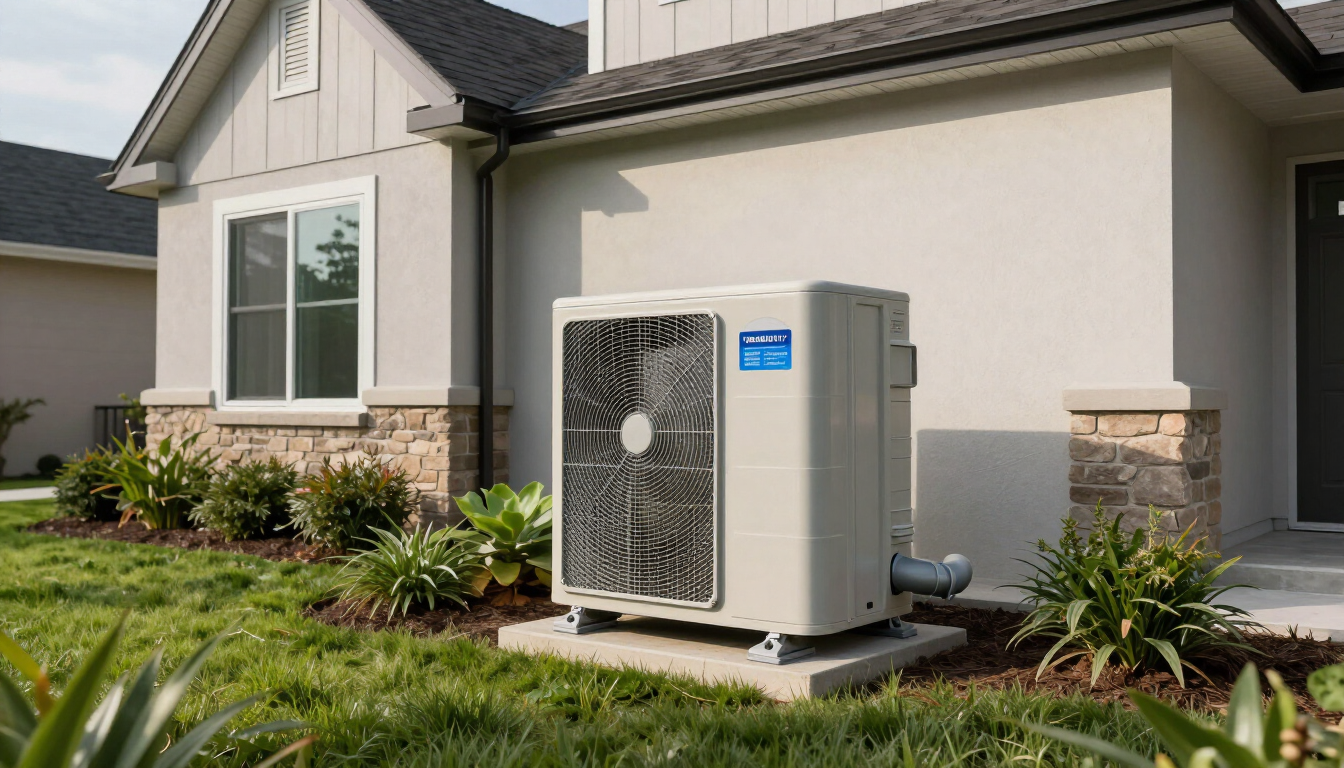
If you have a Heat Pump (which is very common in our area), you have a setting on your thermostat labeled "Aux" or "Emergency Heat."
- What it is: When it is extremely cold, or if your heat pump fails, the system switches to electric resistance strips. Think of these like the coils inside a giant toaster or hair dryer. They are 100% efficient at creating heat, but they are extremely expensive to run compared to the heat pump compressor.
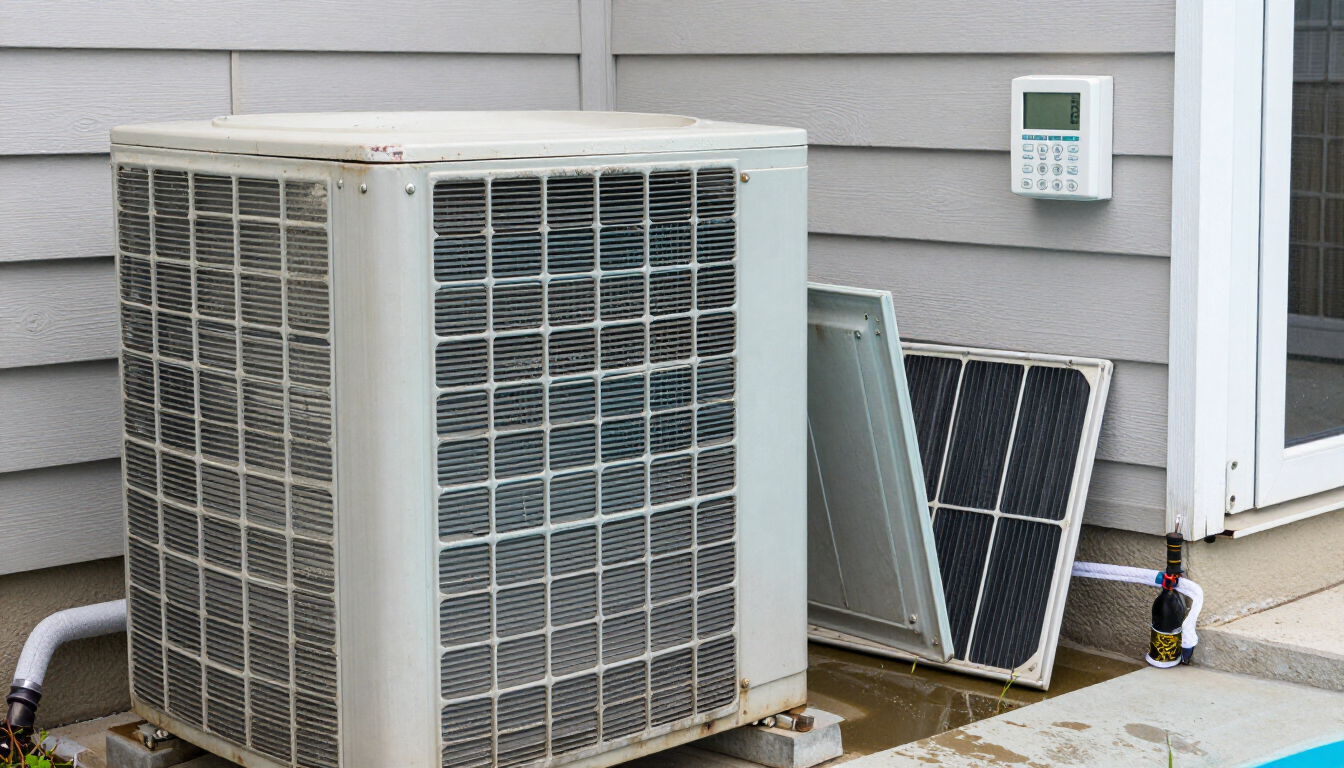
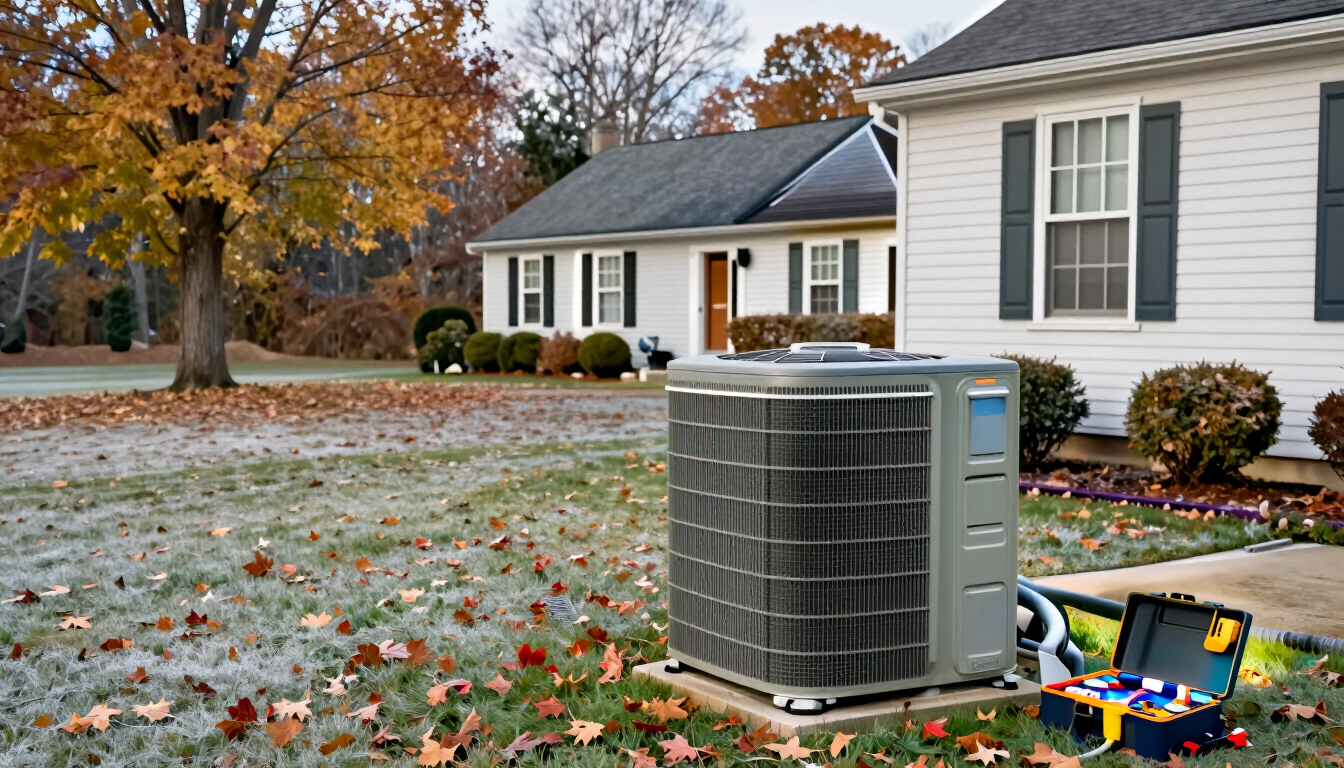
- The Danger: If your outdoor unit is failing, low on refrigerant, or covered in a block of ice, your system might be running on "Emergency Heat" 100% of the time to keep up. You might not even notice until you get the bill.
- The Fix: If your "Aux" light is on constantly—even when it's not bitterly cold outside—call us immediately for a System Diagnostic.
Don't let your furnace burn through your savings. If your bill is high and your comfort is low,
Contact Air Tech Heating & Cooling today. A simple maintenance check could save you hundreds of dollars this winter.
We spend 90% of our time indoors. In the winter months here in the New River Valley, that number is probably even higher. We retreat inside our homes in Christiansburg and Radford to escape the cold, assuming we are safe and protected. But here is the uncomfortable truth: The air inside your home can be 2 to 5 times more polluted than the air outside. How is that possible? In the push for energy efficiency, modern homes have become "tight." We seal up every crack and gap to keep the heat in and the utility bills down. This is great for your wallet, but terrible for your lungs. A tight home traps pollutants—dust, pet dander, chemical off-gassing, and viruses—and recirculates them through your HVAC system over and over again. At Air Tech Heating & Cooling, we believe that "Comfort" is about more than just temperature. It’s about the quality of the air you breathe. In this comprehensive guide, we are going to explore the three pillars of Indoor Air Quality (IAQ): Filtration, Humidity, and Purification.

Living in the New River Valley means enjoying beautiful, distinct seasons. However, those seasons also bring their fair share of severe weather. From heavy summer thunderstorms rolling through the Blue Ridge Mountains to heavy ice and snow accumulations in the dead of winter, power outages are an unfortunate reality for homeowners in Christiansburg, Blacksburg, and Radford. When the grid goes down, it’s not just about losing the convenience of your television or Wi-Fi. A power outage disrupts your entire life. Your refrigerator stops keeping food cold, your security systems go offline, and most importantly, your HVAC system stops functioning, leaving your home vulnerable to freezing temperatures or sweltering humidity. That is why investing in a whole-home generator with Air Tech Heating & Cooling isn't just a luxury—it’s a critical safeguard for your property and your family’s comfort.

Do you have that one room in your house? You know the one. In the winter, it feels like an icebox, forcing you to pile on blankets just to watch TV. In the summer, it’s a sauna, no matter how low you set your central thermostat. Maybe it’s the sunroom that gets too much light, the finished basement that always feels damp, or the bedroom above the garage that just never seems to get enough airflow. For years, homeowners in the New River Valley—from historic homes in Blacksburg to new builds in Christiansburg—have tried to solve the "Problem Room" with clumsy solutions. We see window AC units hanging precariously from frames, loud space heaters tripping circuit breakers, and people closing vents in other rooms to force air where it won't go. At Air Tech Heating & Cooling, we believe there is a better way. It’s quiet, it’s efficient, and it requires zero ductwork. It’s the Ductless Mini-Split. In this guide, we’ll explain exactly what this technology is and why it might be the perfect solution for your home’s comfort challenges.

If you live in the New River Valley, you likely heat your home with a Heat Pump. It’s the standard for our region. We don't have the sub-zero extremes of Minnesota (usually), so we don't always need gas furnaces. But we get cold enough that standard AC units aren't enough. However, heat pumps are misunderstood. Why does it blow "lukewarm" air? Why does the "Aux Heat" light come on in January? Why is my electric bill $400 this month? And if your system is more than 12 years old, you are probably facing the big question: "Repair or Replace?" At Air Tech Heating & Cooling, we have seen the technology leap forward in the last 5 years. The heat pump you buy in 2026 is radically different from the one built in 2010. In this comprehensive guide, we are going to explain how heat pumps actually work, why the new "Inverter" technology is a game-changer for Blacksburg winters, and how to choose the right system for your home.

You know the feeling. It’s January in the New River Valley. You wake up with a sore, scratchy throat. Your skin feels tight and itchy no matter how much lotion you use. You walk across the carpet to pet the dog and—ZAP—a bolt of static electricity jumps from your finger. We tend to blame "winter" for this, but the real culprit is Low Indoor Humidity. Cold air cannot hold moisture. When your furnace heats that dry air, the relative humidity in your home can drop to desert levels (below 20%). At Air Tech Heating & Cooling, we believe comfort isn't just about temperature; it's about air quality. Here is why you should ditch the small portable humidifier and install a Whole-Home System.

When it comes to keeping your home comfortable, most people think of their heating and cooling system. But did you know your HVAC system plays a critical role in maintaining your home’s indoor air quality (IAQ) as well? Poor air quality can have a significant impact on your health, especially if you or your family members suffer from allergies, asthma, or respiratory conditions. In this blog, we’ll dive into the connection between HVAC systems and indoor air quality, why it’s important to have proper air filtration, and how maintaining your HVAC system can improve both the air you breathe and your overall comfort. What is Indoor Air Quality (IAQ) and Why Does It Matter? Indoor air quality refers to the condition of the air inside your home or business. Many factors can contribute to poor IAQ, including dust, pollen, pet dander, mold, and even chemicals from household products. Without proper ventilation and filtration, these contaminants can build up in your indoor environment, leading to a host of health issues. Poor indoor air quality can lead to: Respiratory problems: Asthma, bronchitis, and other breathing difficulties can be triggered or worsened by exposure to allergens and pollutants. Allergy flare-ups: Dust mites, pollen, and pet dander are common indoor allergens that can worsen allergy symptoms. Fatigue and headaches: Exposure to pollutants, such as volatile organic compounds (VOCs), can cause fatigue, headaches, and other uncomfortable symptoms. Long-term health effects: Prolonged exposure to poor air quality can lead to more serious health issues over time, including respiratory infections and even cardiovascular disease. For homes and businesses in the New River Valley , ensuring good indoor air quality is critical. With proper HVAC maintenance, filtration, and ventilation, you can drastically reduce the amount of harmful contaminants circulating in your air. How Your HVAC System Affects Indoor Air Quality Your HVAC system does more than just regulate the temperature inside your home or business. It also helps control the air quality by circulating air, filtering out harmful particles, and maintaining proper ventilation. Here’s how your HVAC system influences your IAQ: 1. Air Filtration One of the primary ways your HVAC system improves air quality is through air filtration. The air that passes through your heating and cooling systems is filtered to remove dust, pollen, pet dander, and other airborne particles. This process helps keep your home’s air clean, reducing the likelihood of allergens and pollutants affecting your health. To maintain good air quality, it’s crucial to have high-quality filters that are regularly cleaned or replaced. The professionals at Air Tech Heating & Cooling can help you choose the right filters for your system, ensuring they effectively trap harmful particles without restricting airflow. 2. Ventilation Good ventilation is essential for removing stale, polluted air from your indoor environment and replacing it with fresh, clean air. Without proper ventilation, your home can become a breeding ground for mold, mildew, and airborne toxins. Your HVAC system plays a critical role in ventilating your home, particularly when it includes a fresh air intake system. This ensures that outdoor air is brought into your home, helping to dilute indoor pollutants and reduce humidity levels. 3. Humidity Control Maintaining the right humidity levels is essential for both comfort and health. When humidity is too high, it creates the perfect environment for mold and dust mites to thrive, which can negatively affect air quality. On the other hand, air that’s too dry can irritate your respiratory system and cause discomfort. Most modern HVAC systems are designed to regulate humidity levels by controlling both heating and cooling. By maintaining a balanced humidity level (typically between 30-50%), your system can improve air quality and make your living environment more comfortable. Signs Your Indoor Air Quality is Poor It’s not always easy to tell when the air quality in your home or business has declined. However, there are some key signs to watch for: Frequent allergy symptoms: If you or your family members experience persistent sneezing, coughing, or watery eyes indoors, it could be due to allergens circulating in your HVAC system. Increased dust accumulation: If you notice more dust on surfaces or your HVAC system's air vents, it may be a sign that your filters are clogged, or your air isn’t being properly cleaned. Musty odors: A musty or damp smell could indicate mold growth in your ducts or on your HVAC system’s components, both of which can contribute to poor air quality. High humidity or condensation: If you’re noticing excessive moisture or condensation on windows or walls, your HVAC system may not be effectively controlling humidity, leading to poor IAQ. If you experience any of these signs, it’s time to schedule an HVAC inspection and cleaning with Air Tech Heating & Cooling. Our team can assess your system’s performance and recommend the best solutions to improve your indoor air quality.

In the scorching summer months, especially in regions like Virginia where temperatures can soar, having a reliable cooling system is not just a luxury but a necessity. The importance of cooling systems cannot be overstated during these hot seasons, as they provide much-needed relief from the sweltering heat and help maintain a comfortable indoor environment for homeowners and their families. At Air Tech, we understand the significance of efficient cooling systems, particularly in areas like Virginia where summer temperatures often reach uncomfortable levels. A well-functioning cooling system not only keeps indoor temperatures at a comfortable level but also helps to alleviate humidity, creating a more pleasant living environment for occupants. With our expertise in HVAC systems, we emphasize the importance of regular maintenance to ensure optimal performance and longevity of cooling systems, especially during the peak summer season. From central air conditioning systems to ductless mini-split systems and window units, we offer comprehensive services to meet the diverse cooling needs of our customers, helping them stay cool and comfortable throughout the hottest months of the year. Trust Air Tech to keep your cooling systems running smoothly, so you can enjoy a refreshing escape from the summer heat Let's get started! What are Cooling Systems? Cooling systems are mechanisms designed to regulate indoor temperatures, ensuring comfort by removing heat from enclosed spaces. They play a vital role in maintaining a pleasant environment, particularly during hot seasons or in regions with high temperatures. These systems operate by transferring heat from inside to outside, thereby lowering the temperature within the space. Types of Cooling Systems 1. Central Air Conditioning: Central air conditioning systems are common in larger buildings and homes. They utilize a network of ducts to distribute cooled air throughout the premises. A central unit, typically located outside, cools the air and sends it through ducts to various rooms, ensuring uniform temperature control. 2. Ductless Mini-Split Systems: Ductless mini-split systems offer flexibility and efficiency, particularly in spaces where traditional ductwork is impractical. These systems comprise an outdoor compressor unit and indoor air-handling units, connected by refrigerant lines. Each indoor unit can be controlled independently, allowing for personalized comfort settings in different zones. 3. Window Units: Window air conditioning units are self-contained systems installed directly into windows. They are a cost-effective solution for cooling single rooms or small apartments. These units draw in warm air, cool it using refrigerant, and expel the heat outside, effectively cooling the interior space. 4. Evaporative Coolers: Evaporative coolers, also known as swamp coolers, operate by evaporating water to cool the air. They are particularly effective in dry climates. These systems draw warm air through moist pads, where it is cooled by evaporation, and then circulate the cooled air throughout the space. Each type of cooling system offers unique advantages and is suited to different environments and preferences. Understanding these options allows homeowners and businesses to select the most suitable cooling solution for their needs, ensuring optimal indoor comfort and energy efficiency. Pros and Cons of Different Types of Cooling Systems

Summer in Virginia brings soaring temperatures and high humidity, making it essential for residents to have efficient cooling systems. The sweltering heat can be unbearable, and without proper air conditioning, indoor environments can quickly become uncomfortable and even hazardous. As the summer months approach, ensuring that your air conditioning system is in top shape becomes a priority. Regular maintenance, timely repairs, and system upgrades can make a significant difference in your home's comfort and energy efficiency during the hot season. At Air Tech, we understand the importance of a reliable air conditioning system during Virginia's hot summers. Our team of experienced technicians is dedicated to providing top-notch HVAC services, ensuring that your cooling system operates at peak performance. From routine maintenance and emergency repairs to complete system installations, we offer a comprehensive range of services tailored to meet your cooling needs. We pride ourselves on our prompt, professional service and our commitment to customer satisfaction, helping you stay cool and comfortable all summer long. In this blog post, we will delve into the importance of regular HVAC maintenance, especially as summer approaches. We'll discuss how preventative care can enhance your system's efficiency, prolong its lifespan, and reduce the risk of costly breakdowns. You'll also find practical tips for keeping your air conditioning unit in optimal condition and learn why professional maintenance is crucial for maintaining indoor comfort during Virginia's hot season. Stay tuned to ensure your home remains a cool oasis amidst the summer heat. Let's get started! What Is an HVAC System? An HVAC system, short for Heating, Ventilation, and Air Conditioning, is a complex assembly of various components designed to regulate indoor environmental conditions. It aims to provide thermal comfort and maintain good indoor air quality. The key components of an HVAC system include: Heating : Typically achieved through furnaces or boilers, which use fuel (gas, oil, or electricity) to generate heat. This heat is then distributed throughout the building via a network of ducts or radiators. Ventilation : Ensures a continuous supply of fresh air into the living spaces while expelling stale air. This is vital for maintaining indoor air quality, controlling humidity levels, and preventing the build-up of pollutants. Air Conditioning : Cools the air in indoor spaces by removing excess heat. This is usually done through refrigeration cycles involving an evaporator and a condenser. The cooled air is then circulated through the building using a system of ducts. The primary role of HVAC systems is to create and maintain a comfortable indoor environment by regulating temperature, humidity, and air quality. They are essential in both residential and commercial settings, ensuring that indoor spaces remain habitable and conducive to health and productivity. Types of HVA Systems There are various types of HVAC systems, each suited to different needs and environments: Central Air Conditioning Systems : These are the most common systems in larger homes and commercial buildings. They consist of a central unit that cools air, which is then distributed throughout the building via a network of ducts. They are efficient for cooling large spaces uniformly. Heat Pumps : These versatile systems provide both heating and cooling. They work by transferring heat from one place to another, making them highly energy-efficient. In winter, they extract heat from the outside air (even when it's cold) and transfer it indoors; in summer, the process is reversed to cool the indoor space. Ductless Mini-Split Systems : Ideal for homes without existing ductwork, these systems consist of an outdoor compressor and one or more indoor air-handling units. They offer flexible installation options and can be used to cool individual rooms or zones, providing customized comfort. Furnaces : Commonly used for heating, furnaces can run on gas, oil, or electricity. They heat air and distribute it throughout the building via ducts. Furnaces are a reliable and powerful option for maintaining warmth during colder months. Understanding the various components and types of HVAC systems helps in choosing the right system to meet specific needs, ensuring optimal indoor comfort and efficiency. Benefits of Regular HVAC Maintenance Regular HVAC maintenance is often overlooked by homeowners, but its importance cannot be overstated. By ensuring that your heating, ventilation, and air conditioning (HVAC) system receives regular upkeep, you can enjoy a range of benefits that contribute to a healthier, more comfortable, and cost-effective living environment. Enhanced Energy Efficiency One of the primary benefits of regular HVAC maintenance is the enhanced energy efficiency it provides. When your system is properly maintained, it operates more efficiently, meaning it requires less energy to heat or cool your home to the desired temperature. This improved efficiency translates to lower utility bills, saving you money in the long run. Studies have shown that well-maintained HVAC systems can be up to 25% more efficient than neglected ones. Simple tasks such as cleaning or replacing air filters, checking for leaks in ductwork, and ensuring proper airflow can significantly impact your system's performance and energy consumption. Extended System Lifespan Regular check-ups and maintenance also play a crucial role in extending the lifespan of your HVAC system. By addressing minor issues before they escalate into major problems, you can prevent costly breakdowns and premature system failures. Consider this: the average lifespan of a well-maintained HVAC system is typically around 15 to 20 years. However, systems that are neglected and rarely serviced may only last half as long. Investing in routine maintenance not only protects your investment in your HVAC system but also ensures its continued functionality for years to come. Improved Indoor Air Quality Another key benefit of regular HVAC maintenance is the improvement of indoor air quality. Your HVAC system is responsible for circulating and filtering the air within your home, removing pollutants, allergens, and other contaminants that can affect your health and comfort. Clean filters and ducts are essential components of maintaining good indoor air quality. Over time, filters can become clogged with dust, pollen, and debris, restricting airflow and allowing pollutants to recirculate throughout your home. By regularly cleaning or replacing filters and having your ducts cleaned as needed, you can reduce the presence of allergens and pollutants in your indoor air, providing relief for allergy sufferers and improving overall respiratory health. Reduced Repair Costs One of the most significant advantages of regular HVAC maintenance is the potential for cost savings on repairs. Minor issues that are identified and addressed during routine maintenance visits are much less likely to develop into major, costly repairs down the road. For example, something as simple as a clogged air filter can lead to reduced airflow, increased strain on the system, and ultimately, component failure. By regularly inspecting and servicing your HVAC system, technicians can identify and rectify issues before they escalate, saving you from expensive emergency repairs. Consistent Comfort Regular HVAC maintenance ensures consistent comfort throughout your home. A well-maintained system operates more reliably, providing consistent temperatures and airflow to every room. Conversely, neglecting maintenance can lead to uneven heating or cooling, hot or cold spots, and frequent temperature fluctuations, making for an uncomfortable living environment. What Regular HVAC Maintenance Involves