Why "If It Ain't Broke, Don't Fix It" Costs You Thousands on Your HVAC

April 1, 2026

We see it every year. The first truly cold night of winter hits the New River Valley. The temperature drops to 15°F. And the next morning, our phones at Air Tech Heating & Cooling ring off the hook.


"My heat stopped working." "It’s making a loud banging noise." "I smell something burning."


When our technicians arrive, we often find a system that hasn't been touched by a professional in five or six years. The filter is clogged, the coil is impacted with dirt, and a $20 capacitor has failed, taking the $2,000 compressor down with it.


There is a pervasive myth among homeowners that HVAC maintenance is just an "upsell"—a way for companies to make money when nothing is wrong. We call this the "If It Ain't Broke" Fallacy.


The reality? Your HVAC system is the most expensive mechanical appliance in your home. It runs for roughly 2,000 to 3,000 hours a year. (If you drove your car for that many hours at 45 mph, you’d travel over 100,000 miles). You wouldn't drive your car 100,000 miles without an oil change. Why do you treat your furnace that way?


In this guide, we are going to break down exactly what happens during a "Tune-Up," why manufacturers mandate it, and how skipping it is secretly draining your bank account every single month.

The "Invisible" Decline: Efficiency Loss


The first victim of neglect isn't the part that breaks; it's your wallet. An HVAC system doesn't just "break" overnight. It slowly becomes less efficient.


The Dirty Coil Effect


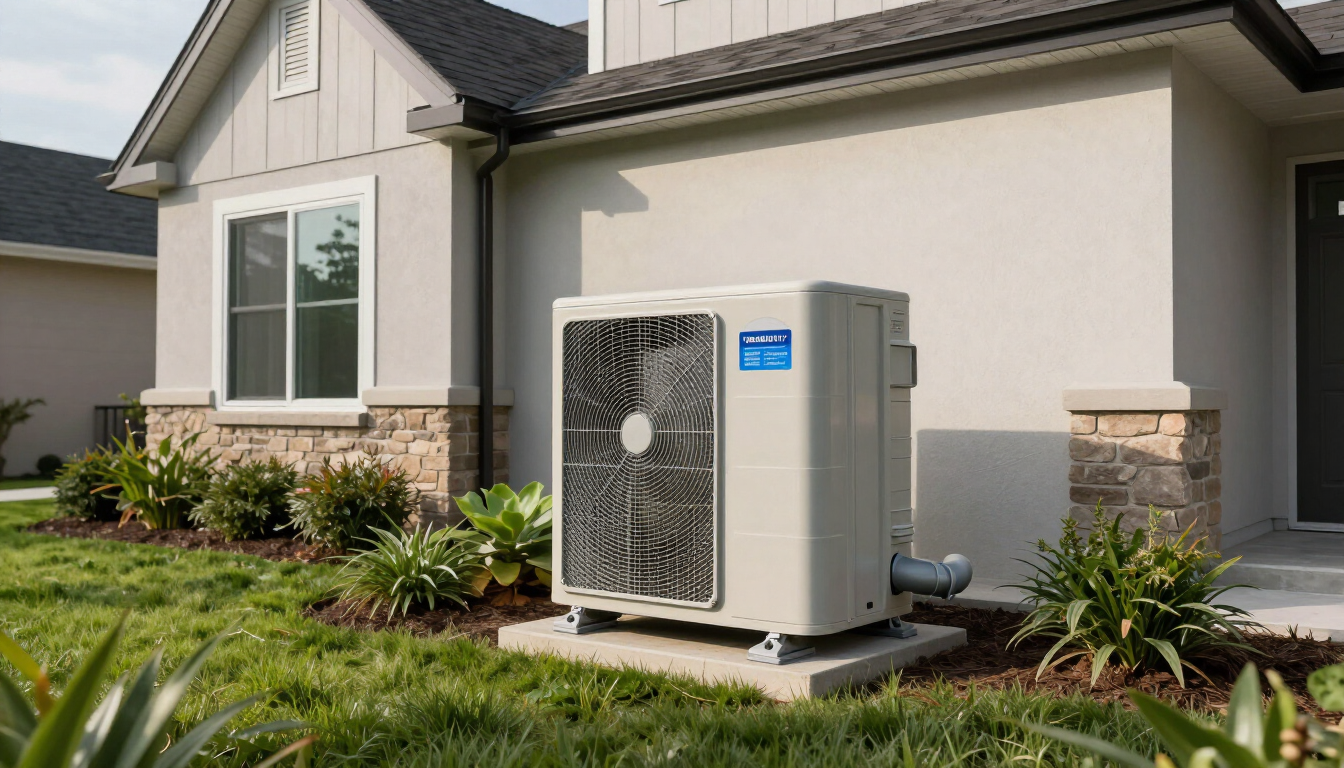
Your heat pump works by transferring heat through metal fins (coils).

  • Outdoor Coil: Exposed to pollen, grass clippings, and dirt.
  • Indoor Coil: Exposed to dust and pet hair that slips past the filter.
  • The Math: A buildup of dirt just 1/100th of an inch thick (the thickness of a piece of paper) acts as an insulator. It blocks the heat transfer. This forces the compressor to work harder and run longer to achieve the same temperature.
  • The Cost: This can lower your system’s efficiency by up to 21%. If your winter electric bill is $300, a dirty system is wasting $60 of that. Over a season, you have paid for a tune-up in wasted electricity alone.

The Warranty Trap: Read the Fine Print


This is the one that shocks most homeowners. If you installed a new system in the last 10 years, you likely have a "10-Year Parts Warranty" from the manufacturer (Trane, Carrier, York, etc.).


The Catch: Almost every manufacturer warranty contains a clause that says the warranty is valid "provided the equipment is maintained annually by a qualified service provider."


If your compressor dies in Year 4 (a part that should be free under warranty), the manufacturer has the right to ask for proof of maintenance service records.

  • Scenario A: You have receipts from Air Tech showing annual tune-ups. Result: Manufacturer covers the $1,500 part.
  • Scenario B: You have no records. Result: Manufacturer denies the claim due to "neglect." You pay $1,500 out of pocket.

 What Actually Happens During a Tune-Up?


Some skepticism comes from "discount" companies that offer a $29 tune-up, walk around the unit for 5 minutes, and leave. That isn't a tune-up; that's a sales call.


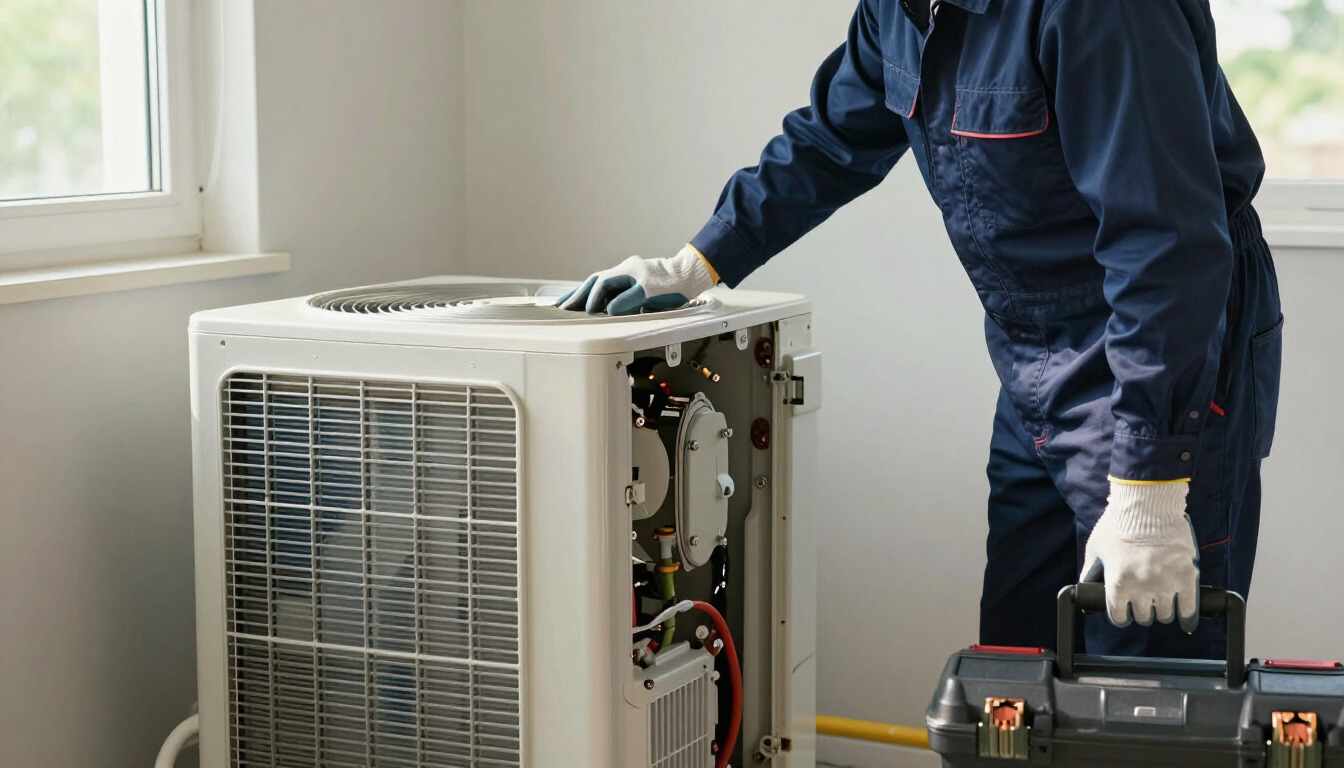
At Air Tech, a proper maintenance visit takes 60 to 90 minutes. Here is the technical checklist we perform:


Electrical Tightening


HVAC units vibrate. Over time, electrical connections vibrate loose. A loose wire causes "arcing" (sparks) and heat, which can melt the wire or fry the control board. We tighten every single connection.


Capacitor Check


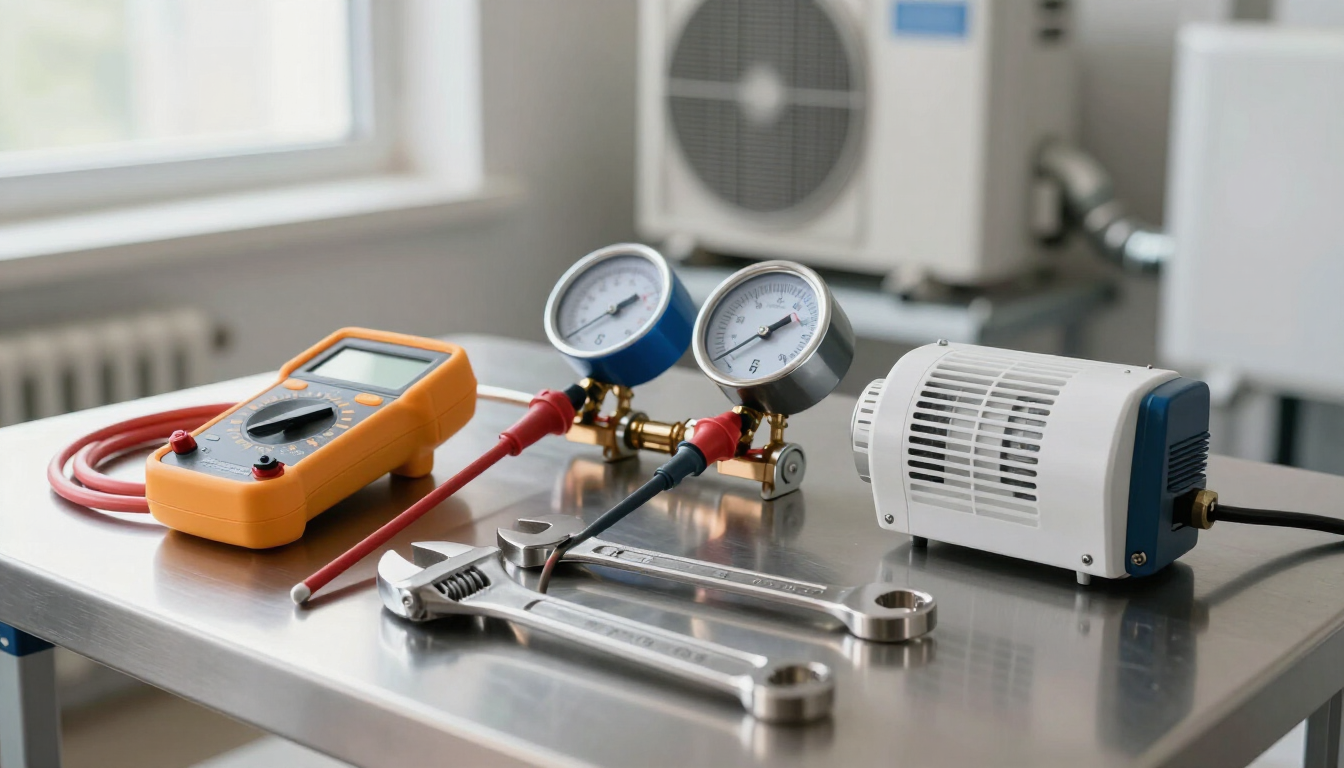
The capacitor is a small battery-like device that gives the motor the jolt it needs to start. They get weak over time. We measure the "microfarads." If it’s weak, we replace it cheaply before it fails and overheats your motor.


Drain Line Clearing


In the summer, your AC removes gallons of water from the air. This drains through a PVC pipe. Algae loves to grow in that dark, wet pipe. We flush and vacuum the drain line to prevent it from clogging and flooding your ceiling or basement.


Refrigerant Charge


We hook up digital gauges to ensure your Freon/Puron levels are exact. Too low? You have a leak. Too high? You are damaging the compressor.

Safety First: The Gas Furnace Check


If you rely on a gas furnace in Blacksburg or Radford, maintenance is a life-safety issue.


The Heat Exchanger


The heat exchanger is a metal chamber where the fire burns. The air you breathe blows over the outside of this chamber.

  • The Danger: Over years of heating and cooling, metal expands and contracts. Eventually, it can crack.
  • The Result: If there is a crack, deadly Carbon Monoxide (CO) from the flame can leak into the air stream and be blown into your bedrooms.

During a maintenance visit, we visually inspect the heat exchanger for cracks and use combustion analyzers to ensure the system is burning clean and safe. This is not something you can DIY.

The Air Tech Maintenance Plan: The "Club"


We know remembering to call for service is a hassle. That’s why we offer our Annual Maintenance Agreement.

Think of it like a subscription to comfort.

  • Two Visits Per Year: One in Spring (AC prep) and one in Fall (Heating prep).
  • Priority Service: If your heat does break on Christmas Eve, "Club Members" jump to the front of the line ahead of non-members.
  • Discounts: Members usually receive 10-15% off any required repairs.


The Financial Logic


A new HVAC system costs $8,000 to $15,000. The average lifespan of a neglected system is 10-12 years. The average lifespan of a maintained system is 15-20 years.


By investing a small amount annually, you are essentially buying 5 to 8 extra years of life for your system. That is a massive return on investment.

Conclusion: Don't Gamble with Your Comfort


Your HVAC system is a complex machine working hard in the background to keep your family safe. It deserves some respect.

Don't wait for the rattle, the bang, or the silence.


Is your system ready for the season? Contact Air Tech Heating & Cooling today. Let’s schedule your tune-up and give you the peace of mind that comes with knowing your home is efficient, safe, and warranty-protected.
March 30, 2026
Living in the New River Valley means experiencing the absolute extremes of all four seasons. From the sweltering, humid afternoons of a Southwest Virginia summer to the bone-chilling, icy depths of a mid-January winter storm, your home’s heating and cooling system is constantly working behind the scenes. In fact, next to your roof, your HVAC system is arguably the hardest-working and most expensive mechanical component of your entire property. Yet, despite its critical role in keeping our families safe and comfortable, most homeowners in Christiansburg, Blacksburg, and Radford treat their HVAC systems with a "run it until it breaks" mentality. We adjust the thermostat, expect perfect air to flow from the ven ts, and completely ignore the complex machinery in the basement or outside until it suddenly stops working on the hottest or coldest day of the year. At Air Tech Heating & Cooling, we have spent over 15 years responding to these frantic, late-night emergency calls. In almost every single case, the catastrophic breakdown could have been entirely prevented with routine, professional care. If you want to maximize the lifespan of your equipment, lower your monthly utility bills, and completely eliminate the stress of sudden system failures, this comprehensive guide will explain exactly why enrolling in a professional HVAC Maintenance Plan is the smartest financial decision you can make for your home.
March 24, 2026
If you own a home in the New River Valley, you are probably familiar with the eternal thermostat battle. You set the central air conditioning to a comfortable 72 degrees, only to find that the upstairs master bedroom is sweltering while the downstairs living room feels like a walk-in freezer. For decades, homeowners in Christiansburg, Blacksburg, and Radford have accepted this uneven heating and cooling as simply a quirk of living in an older home or having a complex floor plan. We pile on extra blankets in the winter and buy noisy window AC units in the summer just to make certain rooms bearable. But what if you didn't have to cool your entire house just to make one room comfortable? What if every single member of your family could have their own personal thermostat? Welcome to the revolution of zoned HVAC technology. Ductless mini-split systems are rapidly becoming one of the most popular home improvement upgrades in Southwest Virginia, completely changing the way we think about indoor comfort. At Air Tech Heating & Cooling, we have spent over 15 years designing and installing high-efficiency heating and cooling solutions. As proud installe rs of industry-leading brands like Mitsubishi, we have seen firsthand how these sleek, whisper-quiet systems solve the most frustrating temperature issues. If you are tired of battling your thermostat and paying to heat or cool empty rooms, this comprehensive guide will explain exactly how ductless technology works, its incredible financial benefits, and how to determine if a mini-split is the right solution for your Virginia home.
March 16, 2026
As March rolls through the New River Valley, the landscape undergoes a stunning transformation. The barren trees of winter finally begin to bud, the Blue Ridge Mountains regain their lush greenery, and the residents of Christiansburg, Blacksburg, and Radford eagerly anticipate warmer afternoons. However, for millions of people, this beautiful seasonal shift triggers an annual nightmare: spring allergy season. If you live in Southwest Virginia, you are intimately familiar with "The Pollening"—that distinct period when a thick coating of yellow pine and oak pollen seems to cover every car, patio, and driveway in sight. While you might expect to sneeze when you step outside, your home is supposed to be your safe haven. But what happens when your eyes are itchy, your throat is scratchy, and your nose is running while you are sitting in your own living room? According to the Environmental Protection Agency (EPA), indoor air can be two to five times more polluted than the air outside. Because our modern homes are built to be tightly sealed for energy efficiency, they inadvertently trap a massive concentration of microscopic pollutants indoors. At Air Tech Heating & Cooling, we believe that true home comfort is about much more than just hitting the right temperature on your thermostat; it is about the purity of the air you breathe. With over 15 years of experience serving the NRV, we have helped countless families turn their homes into allergy-free sanctuaries. In this comprehensive guide, we will break down exactly what is lurking in your indoor air and how professional HVAC solutions can help you breathe easier this spring.
March 12, 2026
Imagine this scenario: It is a brisk Tuesday morning in Christiansburg. Your alarm goes off, and you head straight for the shower to start your day. But because your teenager took an extra-long shower just twenty minutes prior, you are greeted by an icy blast of water. Sound familiar? For decades, families across the New River Valley have simply accepted the limitations of traditional, storage-tank water heaters. We have structured our morning routines around them, staggered our laundry loads, and crossed our fingers hoping the tank wouldn't suddenly burst and flood the basement. But as home technology continues to evolve rapidly, you no longer have to settle for the old way of doing things. Enter the tankless water heater. Often referred to as "on-demand" water heaters, these sleek, highly efficient wall-mounted units are completely revolutionizing how homeowners in Blacksburg, Radford, and Christiansburg access hot water. At Air Tech Heating & Cooling, we have spent over 15 years helping our neighbors upgrade their home comfort systems, and tankless water heating is rapidly becoming one of our most requested services . If you are tired of paying to heat water you aren't using, or if your old 50-gallon tank is nearing the end of its lifespan, this comprehensive guide will walk you through exactly how tankless technology works, its massive benefits, and how to determine if it is the right investment for your Virginia home.
March 10, 2026
As the calendar turns to March and we begin to shake off the chill of winter, the New River Valley undergoes a beautiful transformation. The dogwoods start to bud, the days grow noticeably longer, and the sharp winter winds give way to warmer, sunnier afternoons. However, if you have lived in Christiansburg, Blacksburg, or Radford for any length of time, you know that springtime in Virginia is notoriously unpredictable. We can easily experience a freezing morning frost and a sweltering 80-degree afternoon within the exact same week. This rapid fluctuation in temperature asks a lot of your home’s heating and cooling system. Your HVAC unit must seamlessly transition from keeping you warm to keeping you cool, often on a daily basis. Preparing your system for this seasonal shift is not just about ensuring your comfort; it is about protecting your investment, lowering your monthly utility bills, and maintaining pristine indoor air quality. At Air Tech Heating & Cooling, we have spent over 15 years helping our neighbors navigate these seasonal transitions. To help you get ahead of the curve this year, we have put together the ultimate spring HVAC preparation guide. By following these comprehensive steps, you can ensure your home remains a comfortable, efficient oasis all spring and summer long.
March 1, 2026
We spend 90% of our time indoors. In the winter months here in the New River Valley, that number is probably even higher. We retreat inside our homes in Christiansburg and Radford to escape the cold, assuming we are safe and protected. But here is the uncomfortable truth: The air inside your home can be 2 to 5 times more polluted than the air outside. How is that possible? In the push for energy efficiency, modern homes have become "tight." We seal up every crack and gap to keep the heat in and the utility bills down. This is great for your wallet, but terrible for your lungs. A tight home traps pollutants—dust, pet dander, chemical off-gassing, and viruses—and recirculates them through your HVAC system over and over again. At Air Tech Heating & Cooling, we believe that "Comfort" is about more than just temperature. It’s about the quality of the air you breathe. In this comprehensive guide, we are going to explore the three pillars of Indoor Air Quality (IAQ): Filtration, Humidity, and Purification.
February 20, 2026
Living in the New River Valley means enjoying beautiful, distinct seasons. However, those seasons also bring their fair share of severe weather. From heavy summer thunderstorms rolling through the Blue Ridge Mountains to heavy ice and snow accumulations in the dead of winter, power outages are an unfortunate reality for homeowners in Christiansburg, Blacksburg, and Radford. When the grid goes down, it’s not just about losing the convenience of your television or Wi-Fi. A power outage disrupts your entire life. Your refrigerator stops keeping food cold, your security systems go offline, and most importantly, your HVAC system stops functioning, leaving your home vulnerable to freezing temperatures or sweltering humidity. That is why investing in a whole-home generator with Air Tech Heating & Cooling isn't just a luxury—it’s a critical safeguard for your property and your family’s comfort.
February 18, 2026
Do you have that one room in your house? You know the one. In the winter, it feels like an icebox, forcing you to pile on blankets just to watch TV. In the summer, it’s a sauna, no matter how low you set your central thermostat. Maybe it’s the sunroom that gets too much light, the finished basement that always feels damp, or the bedroom above the garage that just never seems to get enough airflow. For years, homeowners in the New River Valley—from historic homes in Blacksburg to new builds in Christiansburg—have tried to solve the "Problem Room" with clumsy solutions. We see window AC units hanging precariously from frames, loud space heaters tripping circuit breakers, and people closing vents in other rooms to force air where it won't go. At Air Tech Heating & Cooling, we believe there is a better way. It’s quiet, it’s efficient, and it requires zero ductwork. It’s the Ductless Mini-Split. In this guide, we’ll explain exactly what this technology is and why it might be the perfect solution for your home’s comfort challenges.
February 1, 2026
If you live in the New River Valley, you likely heat your home with a Heat Pump. It’s the standard for our region. We don't have the sub-zero extremes of Minnesota (usually), so we don't always need gas furnaces. But we get cold enough that standard AC units aren't enough. However, heat pumps are misunderstood. Why does it blow "lukewarm" air? Why does the "Aux Heat" light come on in January? Why is my electric bill $400 this month? And if your system is more than 12 years old, you are probably facing the big question: "Repair or Replace?" At Air Tech Heating & Cooling, we have seen the technology leap forward in the last 5 years. The heat pump you buy in 2026 is radically different from the one built in 2010. In this comprehensive guide, we are going to explain how heat pumps actually work, why the new "Inverter" technology is a game-changer for Blacksburg winters, and how to choose the right system for your home.
January 21, 2026
You know the feeling. It’s January in the New River Valley. You wake up with a sore, scratchy throat. Your skin feels tight and itchy no matter how much lotion you use. You walk across the carpet to pet the dog and—ZAP—a bolt of static electricity jumps from your finger. We tend to blame "winter" for this, but the real culprit is Low Indoor Humidity. Cold air cannot hold moisture. When your furnace heats that dry air, the relative humidity in your home can drop to desert levels (below 20%). At Air Tech Heating & Cooling, we believe comfort isn't just about temperature; it's about air quality. Here is why you should ditch the small portable humidifier and install a Whole-Home System.