The Winter Survival Guide: How to Stay Warm, Healthy, and Efficient in the NRV

January 1, 2026
Winter in the New River Valley is no joke. When the temperatures in Christiansburg and Blacksburg drop below freezing, your home’s heating system stops being a luxury and becomes a necessity. But keeping your home comfortable goes beyond just "making sure the heat is on."

At Air Tech Heating & Cooling Heating & Cooling, we know that true winter comfort involves three things: reliability, air quality, and efficiency. If you are waking up with a sore throat, dreading your utility bill, or shivering in your own living room, it might be time to look closer at your HVAC system.
Here are the top strategies for mastering your indoor climate this winter.

1. Don't Ignore the Warning Signs: Heating Repair & Safety

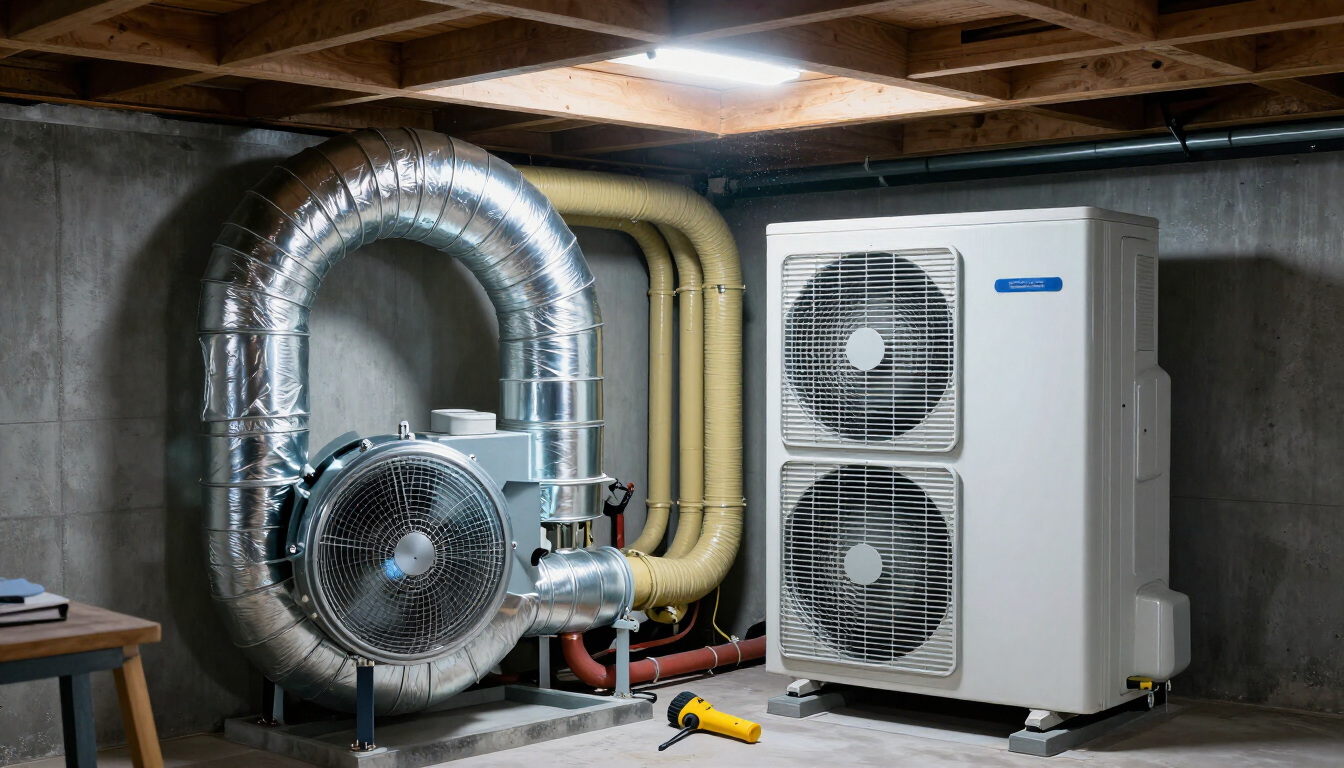
Your furnace or heat pump usually gives you a warning before it fails completely. Are you hearing banging or whistling noises? Is the unit running constantly but never reaching the set temperature?


Ignoring these signs often leads to a breakdown on the coldest night of the year—like New Year's Eve. More importantly, it can be a safety issue.

  • Safety First: If you have a gas furnace, annual inspections are critical. A cracked heat exchanger can leak odorless Carbon Monoxide into your home.
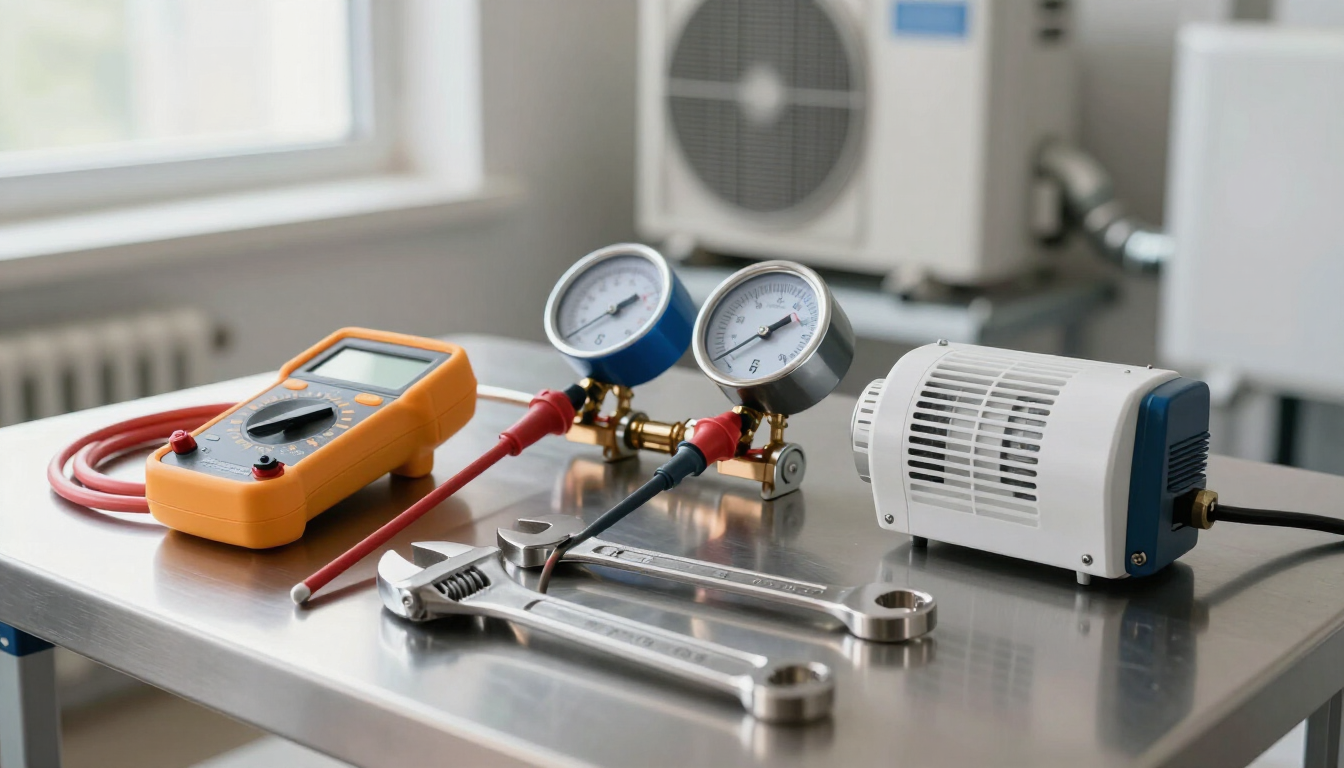
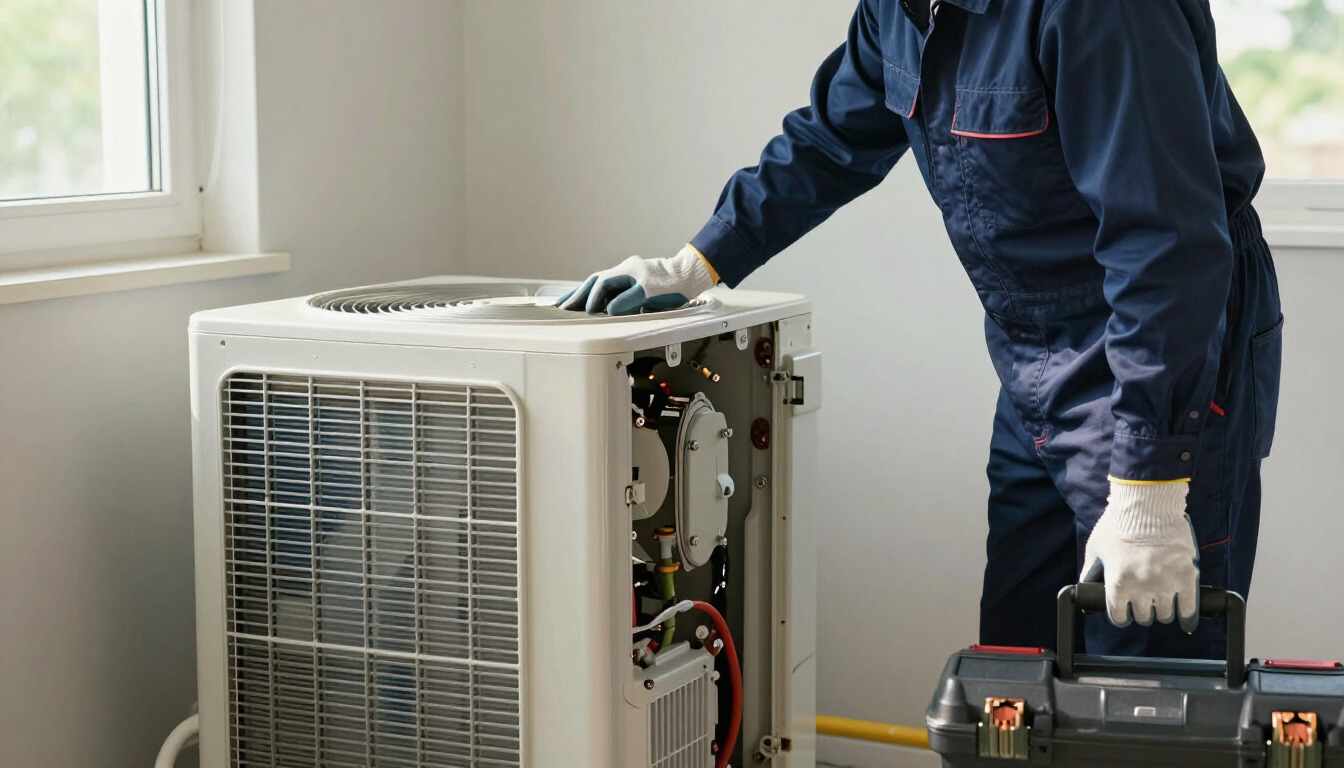
  • The Fix: Don’t wait for a total failure. Our Diagnostic Services can identify loose belts, ignition issues, or refrigerant leaks early, keeping your family safe and warm without the emergency service call stress.


2. Combat the "Winter Dryness": Indoor Air Quality

Do you suffer from dry skin, chapped lips, or static shock every time you touch a doorknob in January? That isn't just "winter weather"—it’s low humidity inside your home. Cold air holds less moisture, and your heater dries it out even further.

Dry air aggravates respiratory issues and makes you more susceptible to colds and flu.


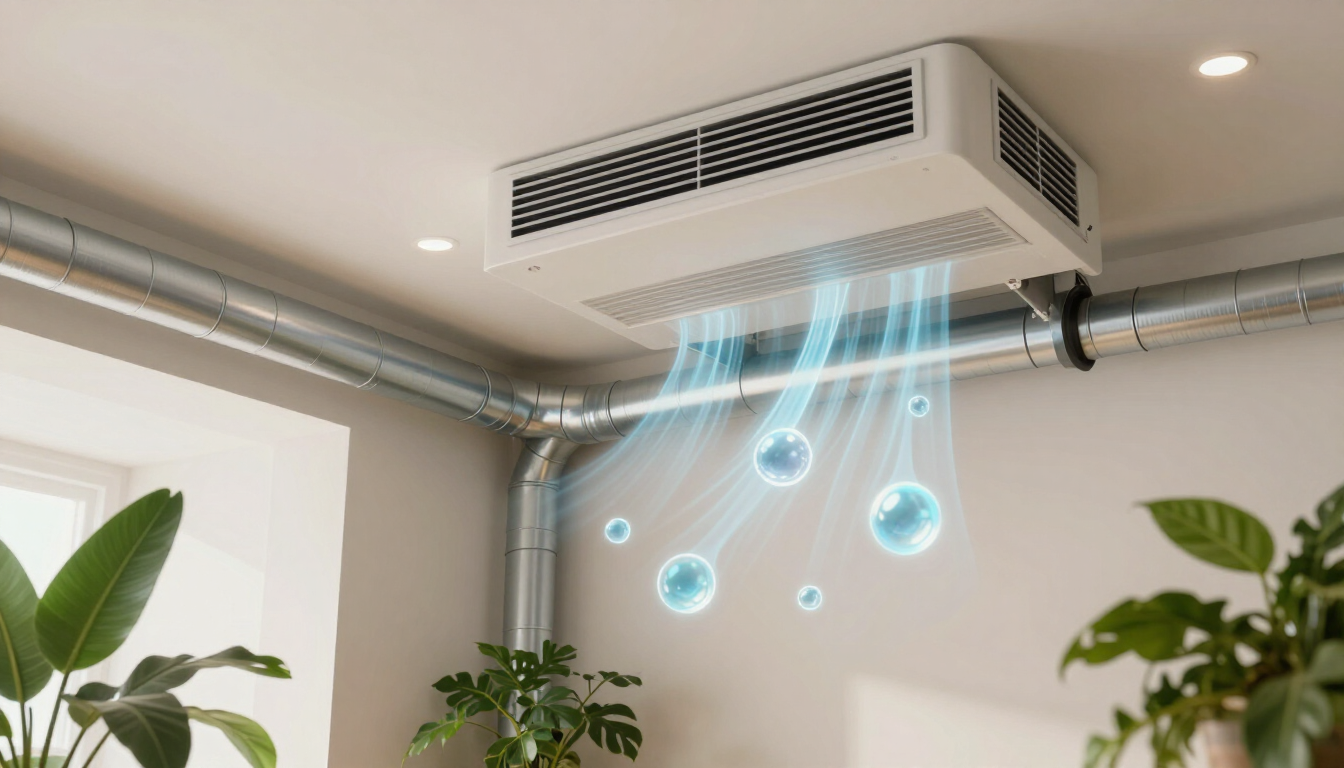
  • The Solution: We install Whole-Home Humidifiers that integrate directly with your HVAC system. Unlike portable units that only treat one room, these systems maintain healthy humidity levels throughout your entire house, protecting your wood furniture and your sinuses.


3. Stop Paying for Wasted Energy: Smart Upgrades

If opening your electric bill causes mild panic, your equipment might be the culprit. An aging heat pump struggles to extract heat from the cold outside air, forcing it to rely on expensive "emergency" heat strips.


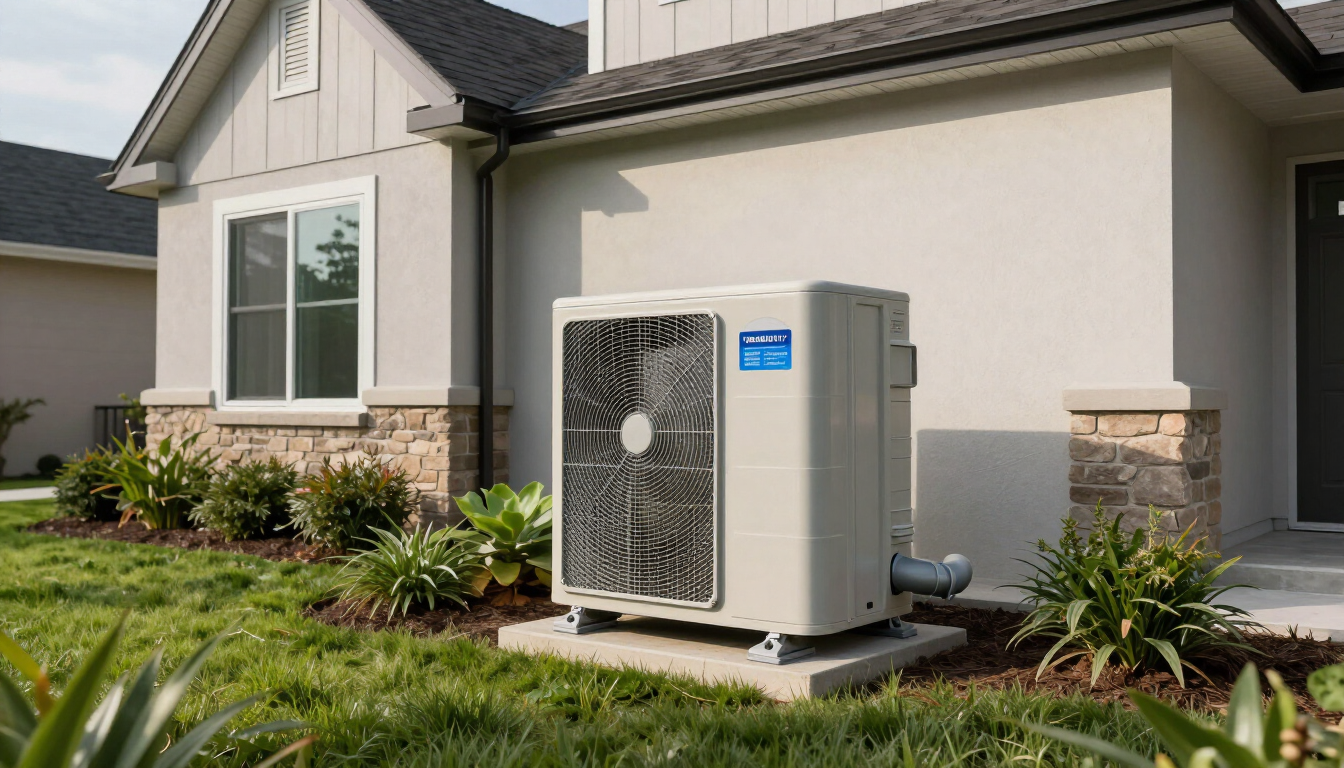
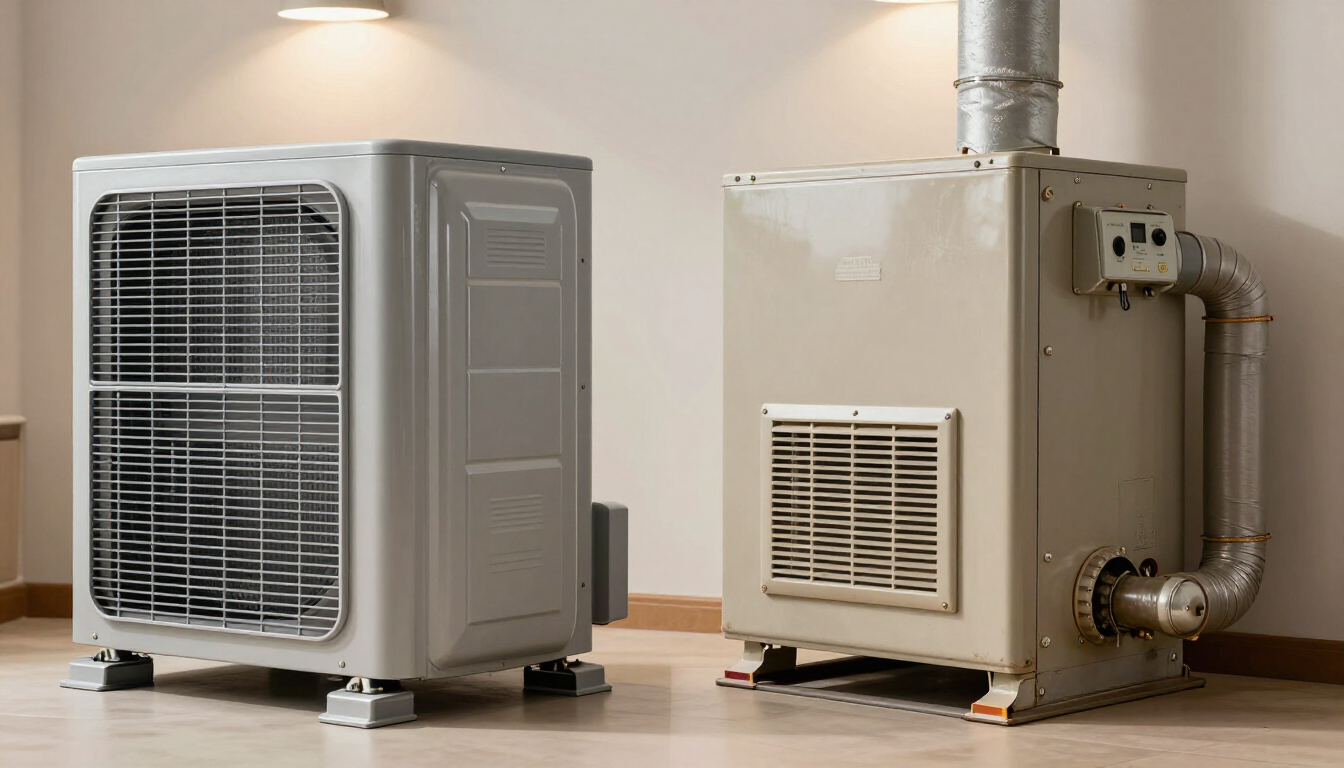
  • Heat Pump Replacement: Modern heat pumps are vastly more efficient than models from 10 or 15 years ago. Upgrading can significantly lower your monthly operational costs.
  • Smart Thermostats: You shouldn't be heating an empty house. Installing a Smart Thermostat (like a Nest or Ecobee) allows your system to learn your schedule and automatically lower the temperature when you leave, saving you money without you lifting a finger.


4. Solved: The "One Cold Room" Problem

Every house seems to have it—that one bedroom above the garage or the sunroom that is freezing cold while the rest of the house is toasty. Cranking up the main thermostat just makes the rest of the house sweating hot.


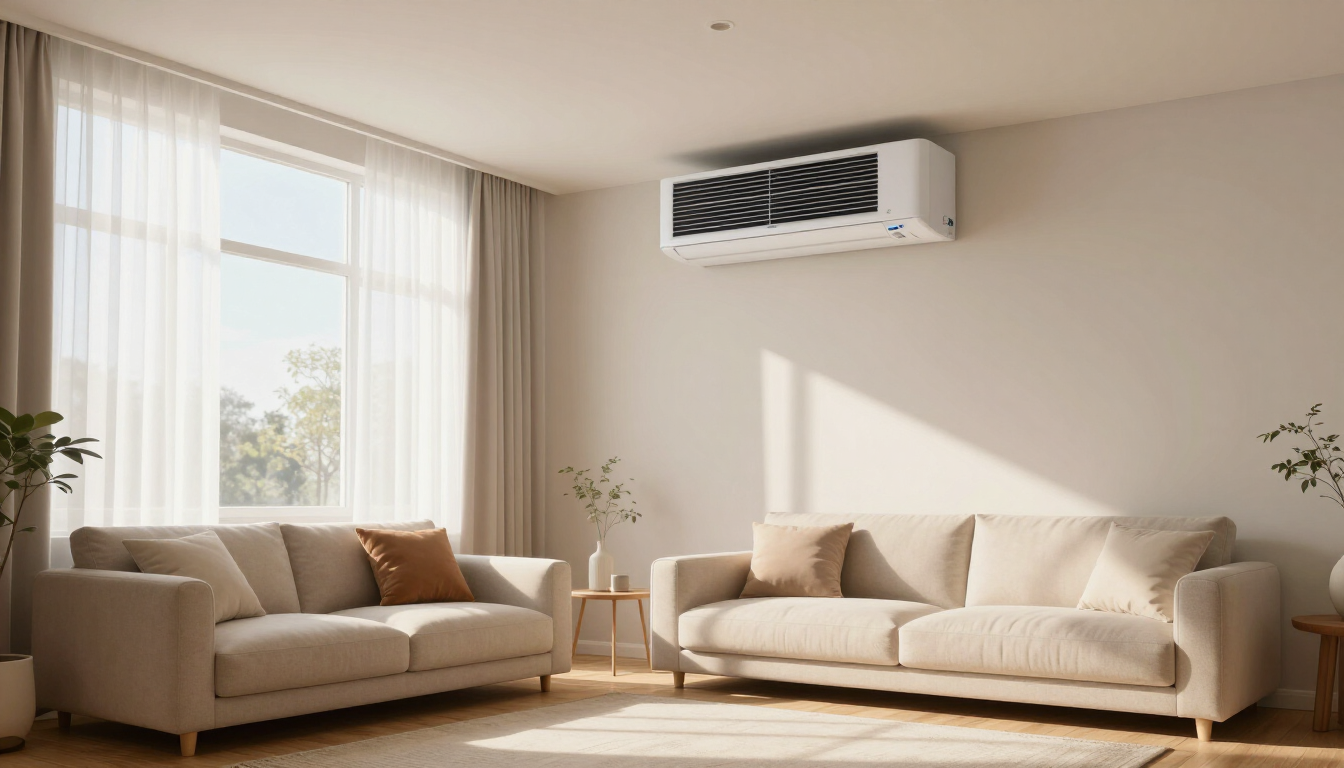
  • The Solution: A Ductless Mini-Split. These sleek, quiet units provide targeted heating (and cooling in summer) to specific spaces without requiring ductwork. It is the perfect way to reclaim that bonus room or garage workshop.
  • Zoning Systems: Alternatively, we can install a zoning system with electronic dampers to control the airflow to different floors, ensuring your upstairs and downstairs are both comfortable.


Stay Cozy with Air Tech Heating & Cooling

Don't settle for shivering through another winter. Whether you need a quick repair, a filter change, or a full system upgrade for a new construction project, Air Tech Heating & Cooling Heating & Cooling is your local expert. We serve Radford, Christiansburg, Blacksburg, and the surrounding areas with honest, reliable service.


Contact us today to schedule your winter tune-up or consultation!
December 29, 2025
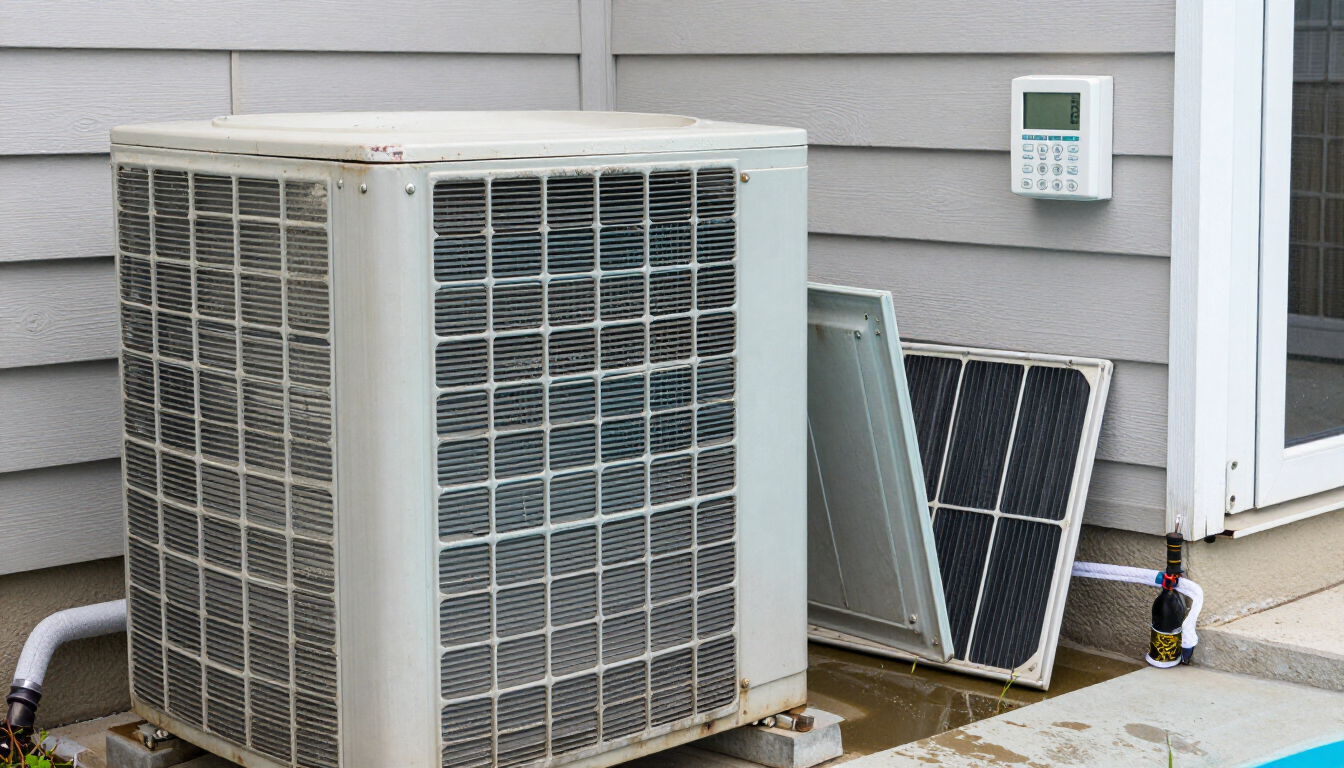
Dry air can cause dry skin, static shock, and damage to wood furniture. Learn how a whole-home humidifier from Air Tech improves comfort and health.
October 17, 2024
When it comes to keeping your home comfortable, most people think of their heating and cooling system. But did you know your HVAC system plays a critical role in maintaining your home’s indoor air quality (IAQ) as well? Poor air quality can have a significant impact on your health, especially if you or your family members suffer from allergies, asthma, or respiratory conditions. In this blog, we’ll dive into the connection between HVAC systems and indoor air quality, why it’s important to have proper air filtration, and how maintaining your HVAC system can improve both the air you breathe and your overall comfort. What is Indoor Air Quality (IAQ) and Why Does It Matter? Indoor air quality refers to the condition of the air inside your home or business. Many factors can contribute to poor IAQ, including dust, pollen, pet dander, mold, and even chemicals from household products. Without proper ventilation and filtration, these contaminants can build up in your indoor environment, leading to a host of health issues. Poor indoor air quality can lead to: Respiratory problems: Asthma, bronchitis, and other breathing difficulties can be triggered or worsened by exposure to allergens and pollutants. Allergy flare-ups: Dust mites, pollen, and pet dander are common indoor allergens that can worsen allergy symptoms. Fatigue and headaches: Exposure to pollutants, such as volatile organic compounds (VOCs), can cause fatigue, headaches, and other uncomfortable symptoms. Long-term health effects: Prolonged exposure to poor air quality can lead to more serious health issues over time, including respiratory infections and even cardiovascular disease. For homes and businesses in the New River Valley , ensuring good indoor air quality is critical. With proper HVAC maintenance, filtration, and ventilation, you can drastically reduce the amount of harmful contaminants circulating in your air. How Your HVAC System Affects Indoor Air Quality Your HVAC system does more than just regulate the temperature inside your home or business. It also helps control the air quality by circulating air, filtering out harmful particles, and maintaining proper ventilation. Here’s how your HVAC system influences your IAQ: 1. Air Filtration One of the primary ways your HVAC system improves air quality is through air filtration. The air that passes through your heating and cooling systems is filtered to remove dust, pollen, pet dander, and other airborne particles. This process helps keep your home’s air clean, reducing the likelihood of allergens and pollutants affecting your health. To maintain good air quality, it’s crucial to have high-quality filters that are regularly cleaned or replaced. The professionals at Air Tech Heating & Cooling can help you choose the right filters for your system, ensuring they effectively trap harmful particles without restricting airflow. 2. Ventilation Good ventilation is essential for removing stale, polluted air from your indoor environment and replacing it with fresh, clean air. Without proper ventilation, your home can become a breeding ground for mold, mildew, and airborne toxins. Your HVAC system plays a critical role in ventilating your home, particularly when it includes a fresh air intake system. This ensures that outdoor air is brought into your home, helping to dilute indoor pollutants and reduce humidity levels. 3. Humidity Control Maintaining the right humidity levels is essential for both comfort and health. When humidity is too high, it creates the perfect environment for mold and dust mites to thrive, which can negatively affect air quality. On the other hand, air that’s too dry can irritate your respiratory system and cause discomfort. Most modern HVAC systems are designed to regulate humidity levels by controlling both heating and cooling. By maintaining a balanced humidity level (typically between 30-50%), your system can improve air quality and make your living environment more comfortable. Signs Your Indoor Air Quality is Poor It’s not always easy to tell when the air quality in your home or business has declined. However, there are some key signs to watch for: Frequent allergy symptoms: If you or your family members experience persistent sneezing, coughing, or watery eyes indoors, it could be due to allergens circulating in your HVAC system. Increased dust accumulation: If you notice more dust on surfaces or your HVAC system's air vents, it may be a sign that your filters are clogged, or your air isn’t being properly cleaned. Musty odors: A musty or damp smell could indicate mold growth in your ducts or on your HVAC system’s components, both of which can contribute to poor air quality. High humidity or condensation: If you’re noticing excessive moisture or condensation on windows or walls, your HVAC system may not be effectively controlling humidity, leading to poor IAQ. If you experience any of these signs, it’s time to schedule an HVAC inspection and cleaning with Air Tech Heating & Cooling. Our team can assess your system’s performance and recommend the best solutions to improve your indoor air quality.
By Air Tech May 24, 2024
In the scorching summer months, especially in regions like Virginia where temperatures can soar, having a reliable cooling system is not just a luxury but a necessity. The importance of cooling systems cannot be overstated during these hot seasons, as they provide much-needed relief from the sweltering heat and help maintain a comfortable indoor environment for homeowners and their families. At Air Tech, we understand the significance of efficient cooling systems, particularly in areas like Virginia where summer temperatures often reach uncomfortable levels. A well-functioning cooling system not only keeps indoor temperatures at a comfortable level but also helps to alleviate humidity, creating a more pleasant living environment for occupants. With our expertise in HVAC systems, we emphasize the importance of regular maintenance to ensure optimal performance and longevity of cooling systems, especially during the peak summer season. From central air conditioning systems to ductless mini-split systems and window units, we offer comprehensive services to meet the diverse cooling needs of our customers, helping them stay cool and comfortable throughout the hottest months of the year. Trust Air Tech to keep your cooling systems running smoothly, so you can enjoy a refreshing escape from the summer heat Let's get started! What are Cooling Systems? Cooling systems are mechanisms designed to regulate indoor temperatures, ensuring comfort by removing heat from enclosed spaces. They play a vital role in maintaining a pleasant environment, particularly during hot seasons or in regions with high temperatures. These systems operate by transferring heat from inside to outside, thereby lowering the temperature within the space. Types of Cooling Systems 1. Central Air Conditioning: Central air conditioning systems are common in larger buildings and homes. They utilize a network of ducts to distribute cooled air throughout the premises. A central unit, typically located outside, cools the air and sends it through ducts to various rooms, ensuring uniform temperature control. 2. Ductless Mini-Split Systems: Ductless mini-split systems offer flexibility and efficiency, particularly in spaces where traditional ductwork is impractical. These systems comprise an outdoor compressor unit and indoor air-handling units, connected by refrigerant lines. Each indoor unit can be controlled independently, allowing for personalized comfort settings in different zones. 3. Window Units: Window air conditioning units are self-contained systems installed directly into windows. They are a cost-effective solution for cooling single rooms or small apartments. These units draw in warm air, cool it using refrigerant, and expel the heat outside, effectively cooling the interior space. 4. Evaporative Coolers: Evaporative coolers, also known as swamp coolers, operate by evaporating water to cool the air. They are particularly effective in dry climates. These systems draw warm air through moist pads, where it is cooled by evaporation, and then circulate the cooled air throughout the space. Each type of cooling system offers unique advantages and is suited to different environments and preferences. Understanding these options allows homeowners and businesses to select the most suitable cooling solution for their needs, ensuring optimal indoor comfort and energy efficiency. Pros and Cons of Different Types of Cooling Systems
By Air Tech May 24, 2024
Summer in Virginia brings soaring temperatures and high humidity, making it essential for residents to have efficient cooling systems. The sweltering heat can be unbearable, and without proper air conditioning, indoor environments can quickly become uncomfortable and even hazardous. As the summer months approach, ensuring that your air conditioning system is in top shape becomes a priority. Regular maintenance, timely repairs, and system upgrades can make a significant difference in your home's comfort and energy efficiency during the hot season. At Air Tech, we understand the importance of a reliable air conditioning system during Virginia's hot summers. Our team of experienced technicians is dedicated to providing top-notch HVAC services, ensuring that your cooling system operates at peak performance. From routine maintenance and emergency repairs to complete system installations, we offer a comprehensive range of services tailored to meet your cooling needs. We pride ourselves on our prompt, professional service and our commitment to customer satisfaction, helping you stay cool and comfortable all summer long. In this blog post, we will delve into the importance of regular HVAC maintenance, especially as summer approaches. We'll discuss how preventative care can enhance your system's efficiency, prolong its lifespan, and reduce the risk of costly breakdowns. You'll also find practical tips for keeping your air conditioning unit in optimal condition and learn why professional maintenance is crucial for maintaining indoor comfort during Virginia's hot season. Stay tuned to ensure your home remains a cool oasis amidst the summer heat. Let's get started! What Is an HVAC System? An HVAC system, short for Heating, Ventilation, and Air Conditioning, is a complex assembly of various components designed to regulate indoor environmental conditions. It aims to provide thermal comfort and maintain good indoor air quality. The key components of an HVAC system include: Heating : Typically achieved through furnaces or boilers, which use fuel (gas, oil, or electricity) to generate heat. This heat is then distributed throughout the building via a network of ducts or radiators. Ventilation : Ensures a continuous supply of fresh air into the living spaces while expelling stale air. This is vital for maintaining indoor air quality, controlling humidity levels, and preventing the build-up of pollutants. Air Conditioning : Cools the air in indoor spaces by removing excess heat. This is usually done through refrigeration cycles involving an evaporator and a condenser. The cooled air is then circulated through the building using a system of ducts. The primary role of HVAC systems is to create and maintain a comfortable indoor environment by regulating temperature, humidity, and air quality. They are essential in both residential and commercial settings, ensuring that indoor spaces remain habitable and conducive to health and productivity. Types of HVA Systems There are various types of HVAC systems, each suited to different needs and environments: Central Air Conditioning Systems : These are the most common systems in larger homes and commercial buildings. They consist of a central unit that cools air, which is then distributed throughout the building via a network of ducts. They are efficient for cooling large spaces uniformly. Heat Pumps : These versatile systems provide both heating and cooling. They work by transferring heat from one place to another, making them highly energy-efficient. In winter, they extract heat from the outside air (even when it's cold) and transfer it indoors; in summer, the process is reversed to cool the indoor space. Ductless Mini-Split Systems : Ideal for homes without existing ductwork, these systems consist of an outdoor compressor and one or more indoor air-handling units. They offer flexible installation options and can be used to cool individual rooms or zones, providing customized comfort.  Furnaces : Commonly used for heating, furnaces can run on gas, oil, or electricity. They heat air and distribute it throughout the building via ducts. Furnaces are a reliable and powerful option for maintaining warmth during colder months. Understanding the various components and types of HVAC systems helps in choosing the right system to meet specific needs, ensuring optimal indoor comfort and efficiency. Benefits of Regular HVAC Maintenance Regular HVAC maintenance is often overlooked by homeowners, but its importance cannot be overstated. By ensuring that your heating, ventilation, and air conditioning (HVAC) system receives regular upkeep, you can enjoy a range of benefits that contribute to a healthier, more comfortable, and cost-effective living environment. Enhanced Energy Efficiency One of the primary benefits of regular HVAC maintenance is the enhanced energy efficiency it provides. When your system is properly maintained, it operates more efficiently, meaning it requires less energy to heat or cool your home to the desired temperature. This improved efficiency translates to lower utility bills, saving you money in the long run. Studies have shown that well-maintained HVAC systems can be up to 25% more efficient than neglected ones. Simple tasks such as cleaning or replacing air filters, checking for leaks in ductwork, and ensuring proper airflow can significantly impact your system's performance and energy consumption. Extended System Lifespan Regular check-ups and maintenance also play a crucial role in extending the lifespan of your HVAC system. By addressing minor issues before they escalate into major problems, you can prevent costly breakdowns and premature system failures. Consider this: the average lifespan of a well-maintained HVAC system is typically around 15 to 20 years. However, systems that are neglected and rarely serviced may only last half as long. Investing in routine maintenance not only protects your investment in your HVAC system but also ensures its continued functionality for years to come. Improved Indoor Air Quality Another key benefit of regular HVAC maintenance is the improvement of indoor air quality. Your HVAC system is responsible for circulating and filtering the air within your home, removing pollutants, allergens, and other contaminants that can affect your health and comfort. Clean filters and ducts are essential components of maintaining good indoor air quality. Over time, filters can become clogged with dust, pollen, and debris, restricting airflow and allowing pollutants to recirculate throughout your home. By regularly cleaning or replacing filters and having your ducts cleaned as needed, you can reduce the presence of allergens and pollutants in your indoor air, providing relief for allergy sufferers and improving overall respiratory health. Reduced Repair Costs One of the most significant advantages of regular HVAC maintenance is the potential for cost savings on repairs. Minor issues that are identified and addressed during routine maintenance visits are much less likely to develop into major, costly repairs down the road. For example, something as simple as a clogged air filter can lead to reduced airflow, increased strain on the system, and ultimately, component failure. By regularly inspecting and servicing your HVAC system, technicians can identify and rectify issues before they escalate, saving you from expensive emergency repairs. Consistent Comfort Regular HVAC maintenance ensures consistent comfort throughout your home. A well-maintained system operates more reliably, providing consistent temperatures and airflow to every room. Conversely, neglecting maintenance can lead to uneven heating or cooling, hot or cold spots, and frequent temperature fluctuations, making for an uncomfortable living environment. What Regular HVAC Maintenance Involves
By Air Tech April 29, 2024
When it comes to ensuring the comfort and efficiency of your home's heating and cooling system, selecting the right HVAC contractor is crucial. HVAC contractors play a vital role in keeping your system running smoothly from installation to maintenance and repairs. Choosing a reliable and experienced HVAC contractor can save you time, money, and headaches in the long run. Air Tech Heating & Cooling is your trusted partner for all your HVAC needs. With years of experience in the industry, we have built a reputation for delivering top-notch service and expertise to our customers. At Air Tech, we prioritize customer satisfaction and take pride in our commitment to excellence. This comprehensive guide will walk you through the essential steps to choose the right HVAC contractor for your home. From assessing your needs and researching potential contractors to evaluating experience and expertise, we'll cover everything you need to know to make an informed decision. By following our tips and guidelines, you can ensure that you select an HVAC contractor who meets your requirements and provides quality service. At the end of this blog, you will feel confident and empowered to choose the HVAC contractor that best fits your needs.