Heat Pump vs. Gas Furnace: Which is Best for Your Virginia Home?
The Power of the Gas Furnace
The gas furnace has been the undisputed heavyweight champion of winter heating for over a century. Whether powered by natural gas piped directly from the city or a liquid propane (LP) tank in your backyard, furnaces operate on the principle of combustion.
The system ignites the gas to create a massive, contained fire inside a metal heat exchanger. Your blower motor then pushes air over this blazing hot metal, instantly warming the air before forcing it through your ductwork.
The Pros of a Gas Furnace:
- Unmatched Heating Power: A gas furnace blasts incredibly hot air (often between 120 and 140 degrees Fahrenheit) out of your vents. If you come inside from shoveling snow and want to warm up immediately, a furnace will heat your home faster than any other system on the market.
- Immunity to Extreme Cold: Because it relies on fire, a gas furnace does not care how cold it is outside. It operates with the exact same ruthless efficiency whether it is 40 degrees or negative 15 degrees.
The Cons of a Gas Furnace:
- Safety Concerns: Because it burns combustible fuel, a poorly maintained furnace carries a risk of carbon monoxide leaks or fire hazards. Routine professional maintenance is an absolute non-negotiable safety requirement.
- It Only Heats: A furnace only solves half of your Virginia weather problem. You will still need to purchase and install a completely separate central air conditioning unit to cool your home in the summer.
The Efficiency of the Heat Pump
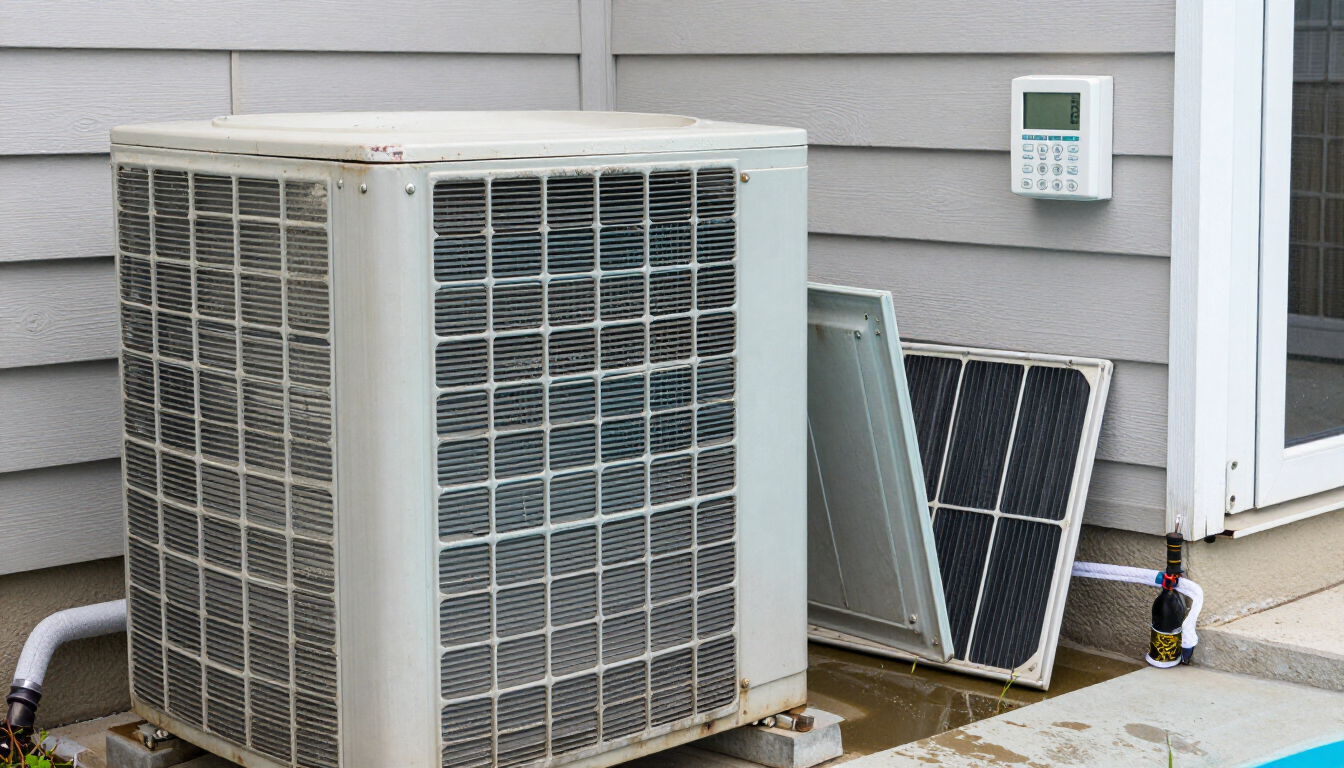
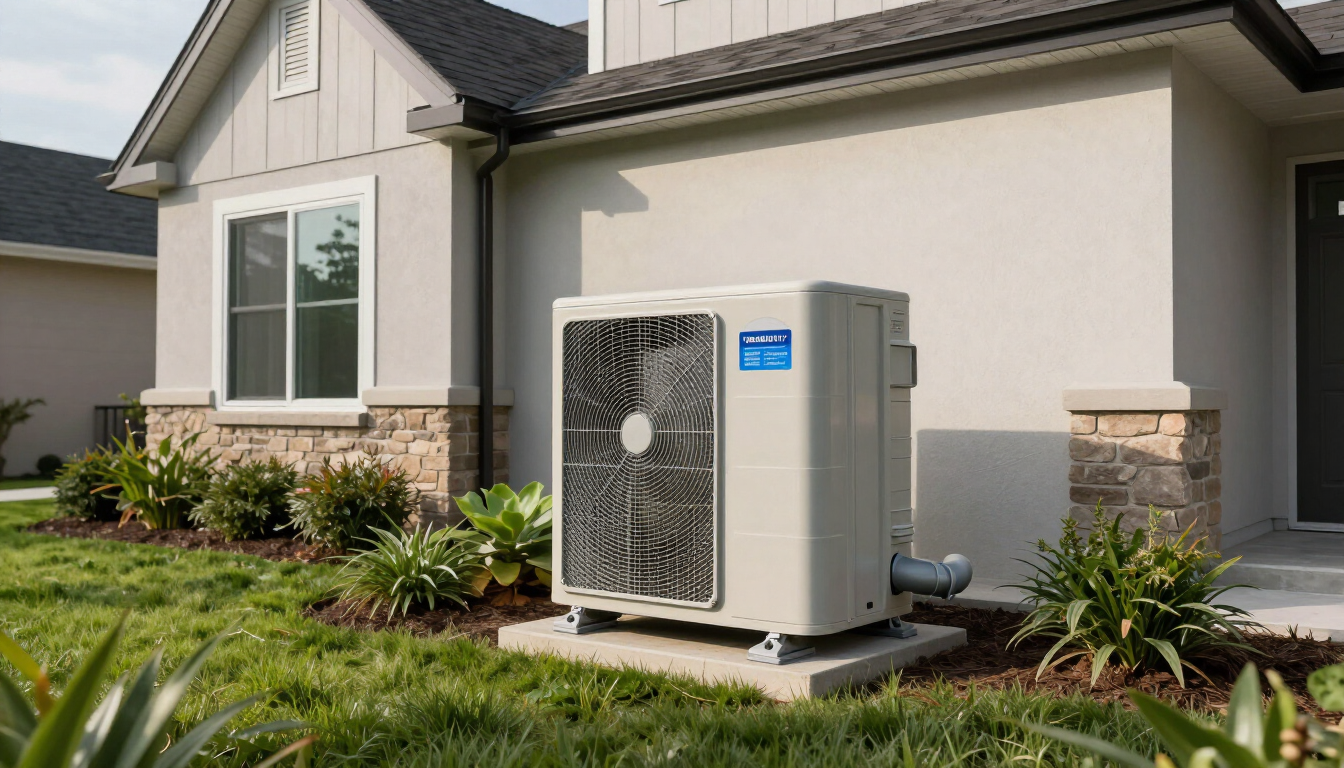
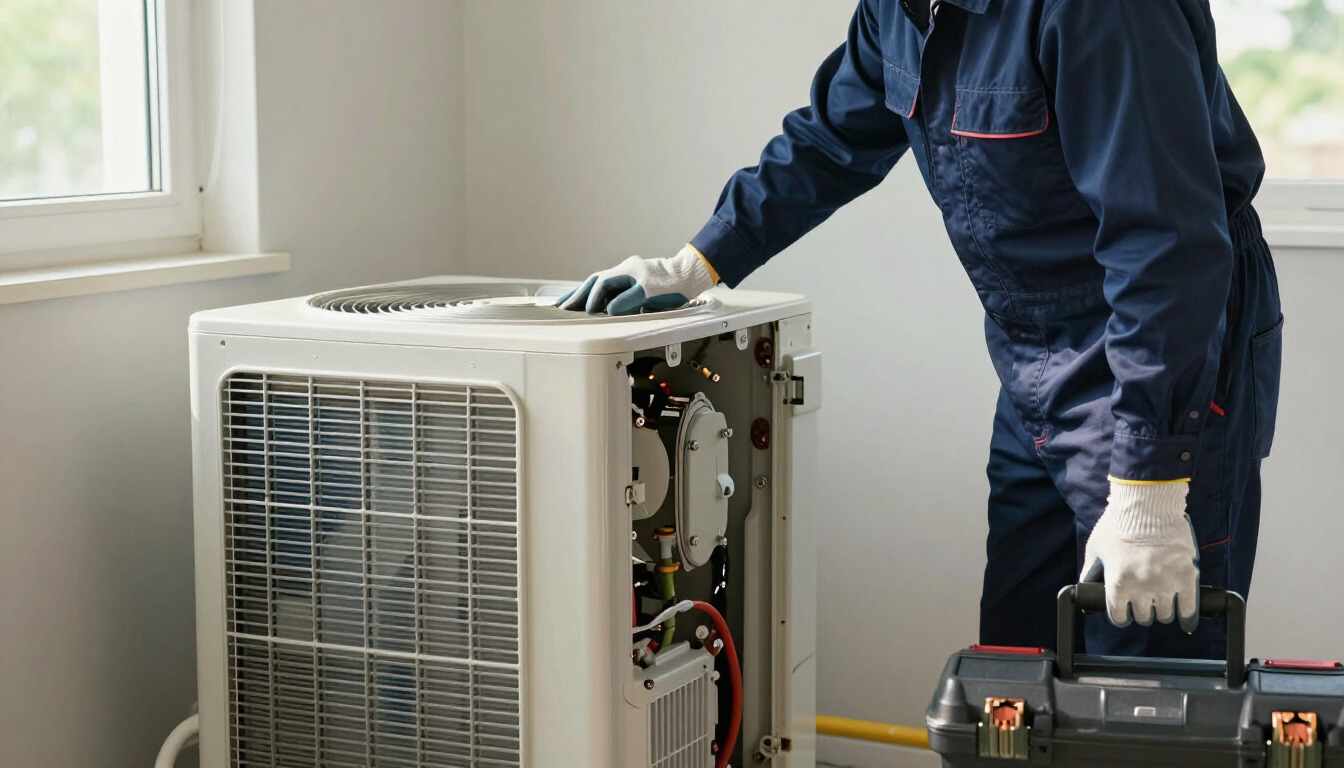
Heat pumps are the marvels of modern HVAC technology. Unlike a furnace, a heat pump does not actually generate heat; it simply moves it.
During the summer, a heat pump acts exactly like a standard air conditioner, pulling heat out of your house and pumping it outside. But in the winter, a reversing valve flips the entire process backward. The system acts like an AC in reverse, extracting ambient thermal energy from the cold outdoor air, compressing it to make it hotter, and pumping it inside your home.
The Pros of a Heat Pump:
- Incredible Energy Efficiency: Because it takes significantly less energy to move heat than it does to create fire, heat pumps are wildly efficient. Under the right conditions, a heat pump can produce three times more heat energy than the electrical energy it consumes.
- Two Systems in One: A heat pump provides both heating and cooling. You only have to buy, install, and maintain one single outdoor unit for year-round comfort.
- Safety: There are no open flames, no combustible gases, and zero risk of carbon monoxide poisoning.
The Cons of a Heat Pump:
- The "Cold Weather" Drop-Off: This is the heat pump's Achilles heel. When the outdoor temperature drops below freezing (usually around 30 degrees), there is significantly less ambient heat in the air for the system to extract. The heat pump has to work much harder, and its efficiency plummets.
- "Lukewarm" Air: Unlike the fiery blast of a gas furnace, the air coming out of a heat pump vent usually registers around 90 to 95 degrees. Because human body temperature is 98.6 degrees, the air blowing on you can actually feel slightly cool, even though it is successfully warming the room.
The Auxiliary Heating Trap (Emergency Heat)
What happens when a heat pump can no longer pull enough heat from the freezing Virginia air to keep your house warm? It relies on "Auxiliary" or "Emergency" heat.
Standard heat pump systems are equipped with electric resistance heating strips (essentially giant toaster coils) installed inside the indoor air handler. When the temperature drops too low, these electric strips kick on to provide supplemental heat.
Here is the problem: Electric heat strips consume a massive, wallet-draining amount of electricity. If your heat pump gets stuck running on "Auxiliary Heat" during a week-long January freeze in Blacksburg, you will open an absolutely shocking utility bill the following month.
The Ultimate NRV Solution: Dual Fuel (Hybrid) Systems
For years, homeowners in the New River Valley had to make a tough choice. Do you go with a heat pump and risk the expensive electric backup heat in January? Or do you buy a gas furnace and miss out on the incredible energy savings during our mild spring and fall months?
Thanks to modern HVAC engineering, you no longer have to choose. Enter the Dual Fuel (Hybrid) System.
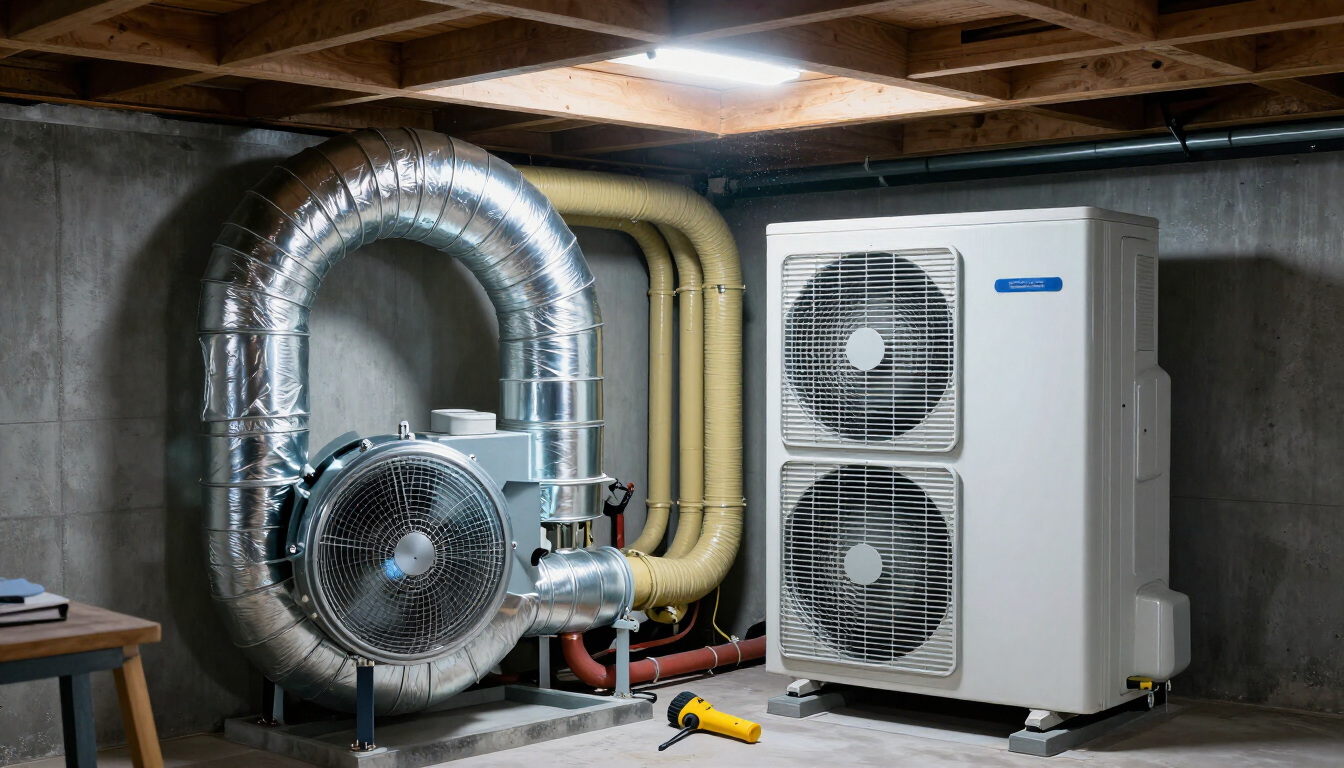
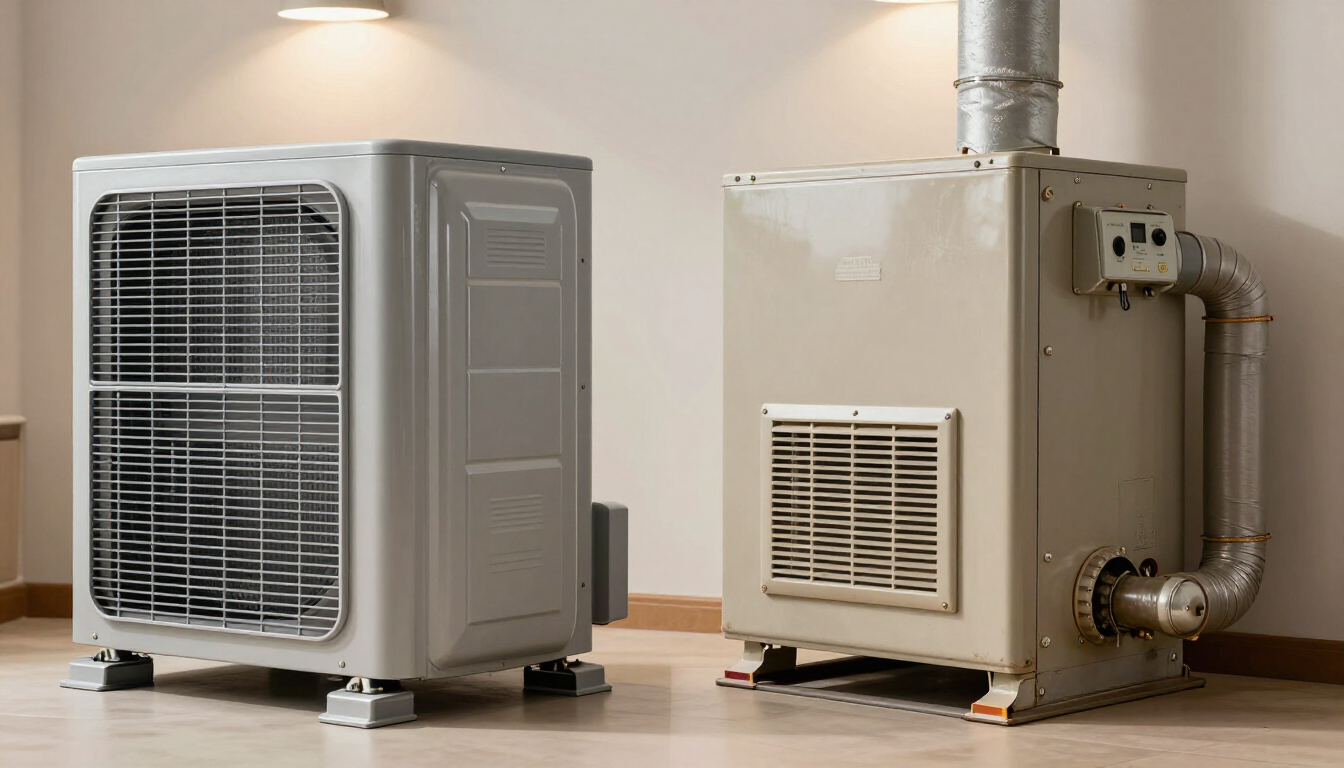
A dual fuel system completely replaces the expensive, inefficient electric heat strips inside a heat pump with a fully functioning gas furnace.
How Dual Fuel Works:
- Mild Weather (40°F to 65°F): During the cool Virginia fall and early spring, the system relies exclusively on the ultra-efficient electric heat pump to warm your home, keeping your utility bills incredibly low.
- The "Balance Point": We program your smart thermostat with a specific temperature "balance point" (usually around 35 degrees).
- Freezing Weather (Below 35°F): The exact moment the outdoor temperature drops to a point where the heat pump begins to lose efficiency, the thermostat automatically shuts the heat pump off and ignites the gas furnace. The furnace takes over the heavy lifting, blasting your home with powerful, reliable, and cost-effective gas heat during the worst of the winter storms.
A dual fuel system automatically calculates the most efficient, cost-effective way to heat your home second by second, giving you the absolute best of both worlds.
Make the Right Choice with Air Tech Heating & Cooling
Choosing the right system requires more than just picking a brand out of a catalog. It requires a deep understanding of your home’s ductwork, your local utility rates, and the specific insulation profile of your property.
For over a decade and a half, Air Tech Heating & Cooling has been the trusted partner for homeowners across Christiansburg, Blacksburg, Radford, and the surrounding areas. We perform strict, mathematical load calculations to ensure we recommend the exact system that will keep your family perfectly comfortable while minimizing your monthly energy costs.
We pride ourselves on our transparent advice, flawless craftsmanship, and our Best Price Guarantee. We also offer flexible financing options (subject to credit approval) so you can upgrade to a high-efficiency system today without breaking the bank.
Are you ready to stop freezing in the winter and sweating in the summer?
Contact
Air Tech Heating & Cooling today at
(540) 251-3131 or reach out through our website to schedule your free, no-obligation HVAC replacement estimate. Let our family help protect yours from the unpredictable Virginia weather!