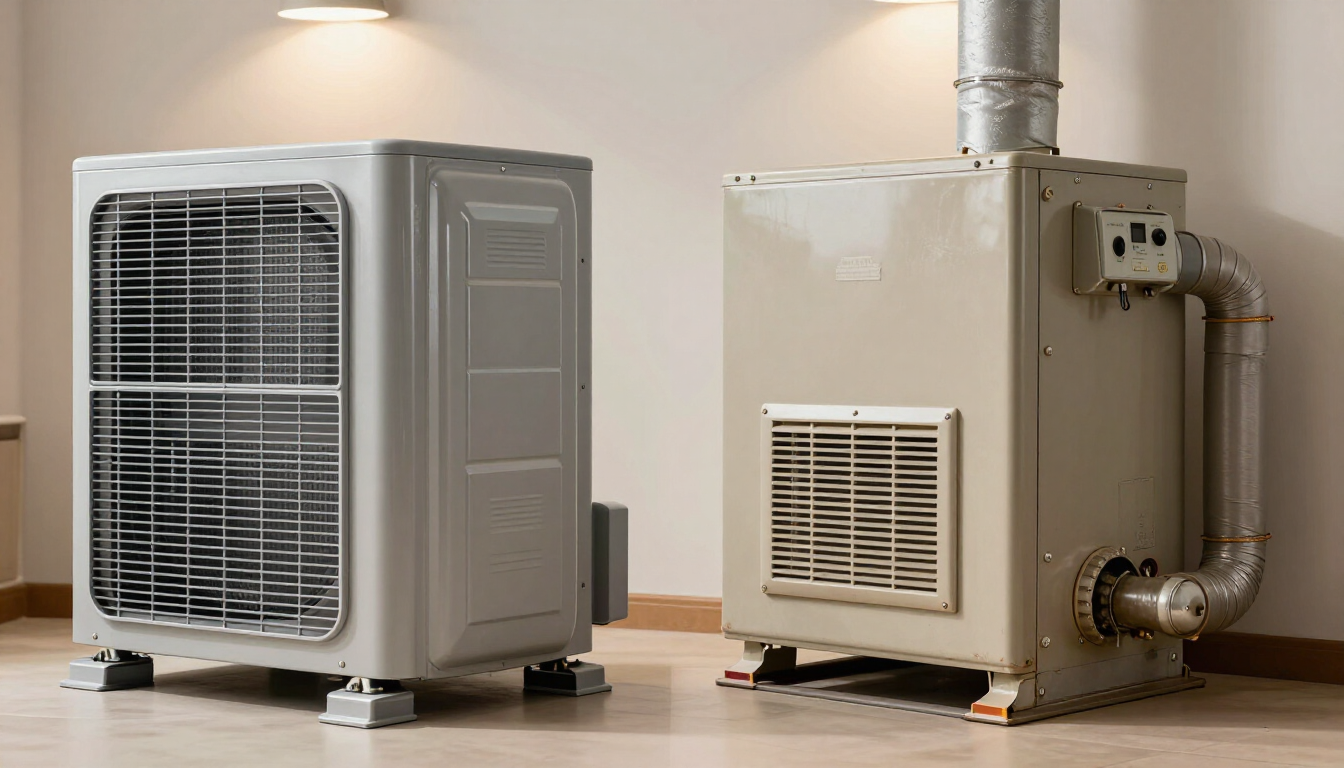
Heat Pump vs. Furnace in Blacksburg, VA: Which Heating System Is Right for Your Home?
Choosing the right heating system can make a significant difference in your home's comfort during the colder months. If your existing system struggles to maintain a consistent temperature, requires frequent repairs, or is approaching the end of its useful life, you may be wondering whether to replace it with a heat pump or a furnace.
For homeowners considering heating system installation in Blacksburg, VA, the decision involves more than comparing equipment prices. Your home's insulation, existing ductwork, energy sources, heating requirements, and long-term plans all influence which system may be the better fit.
The New River Valley experiences changing seasonal temperatures, so it's important to choose a heating solution suited to your property and local winter conditions.
Air Tech Heating & Cooling provides HVAC services for homeowners in Blacksburg and surrounding communities. Understanding the differences between heat pumps and furnaces can help you prepare for a conversation with an HVAC professional and make a more informed decision about your home's heating needs.
1. How Does a Heat Pump Work?
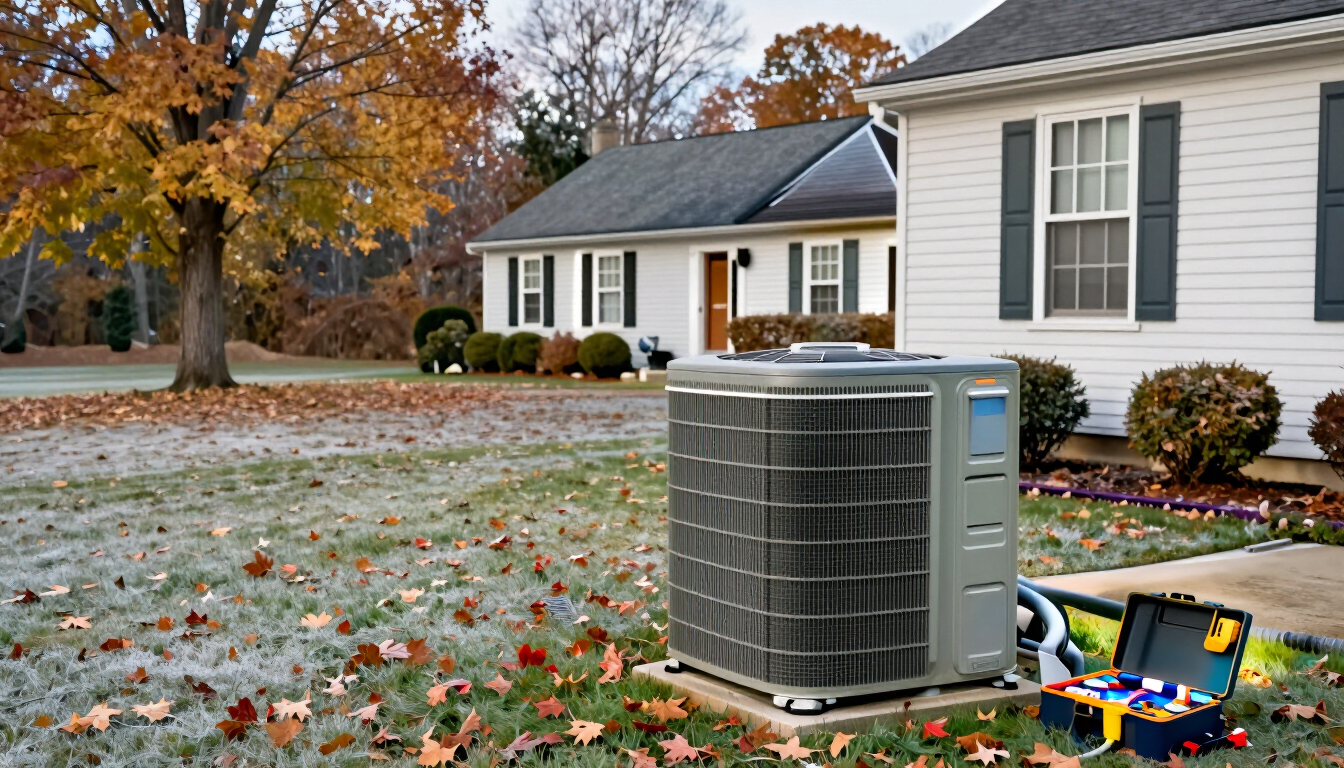
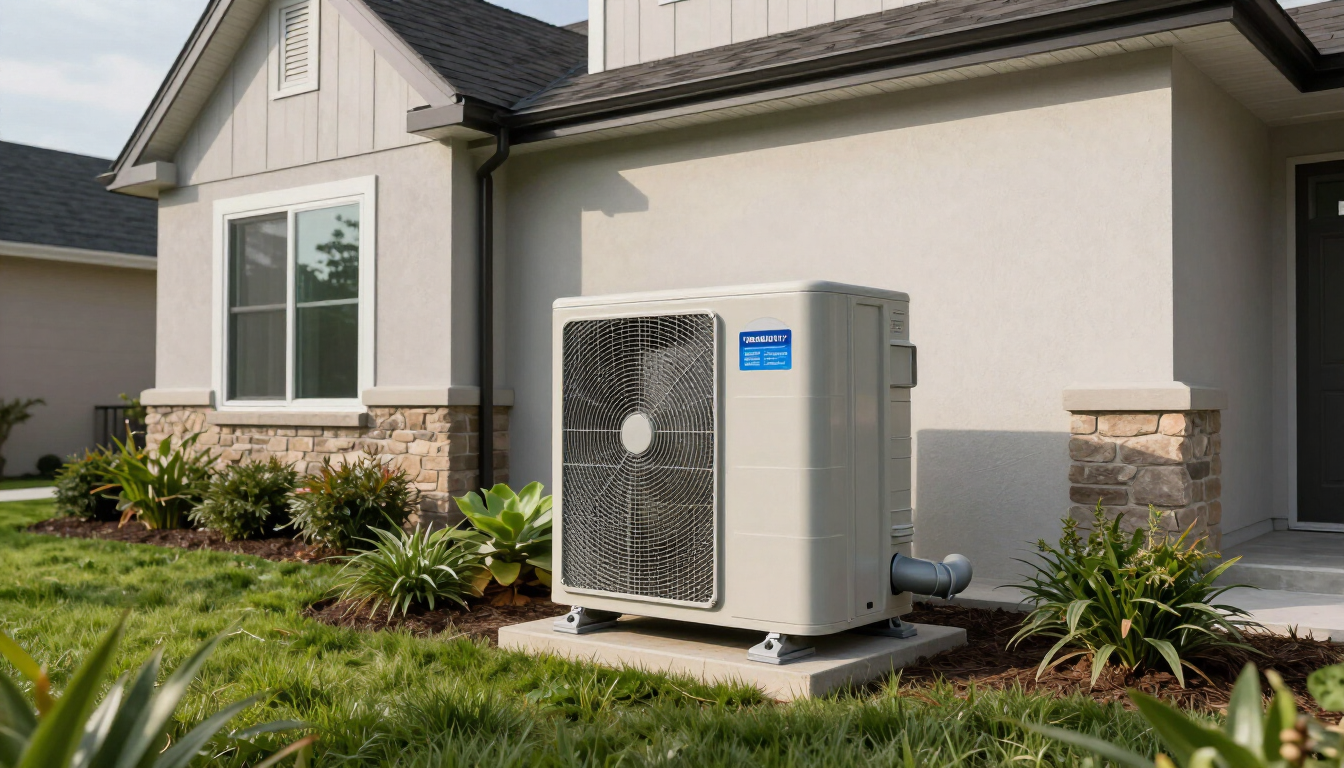
A heat pump transfers heat rather than generating it through fuel combustion or electric resistance alone. During winter, it extracts available heat from outdoor air and transfers it into your home. In warmer weather, a typical air-source heat pump can reverse the process to provide cooling.
One advantage of a heat pump is that the same system can often provide both heating and air conditioning.
Heat pumps can be an option for homeowners who want a single system to manage indoor comfort throughout much of the year.
Potential benefits include:
- Heating and cooling from one system.
- Efficient operation under suitable conditions.
- Compatibility with many homes that already have ductwork.
- Availability of ductless options for certain layouts.
- Reduced dependence on onsite combustion when replacing a fuel-burning heating system.
However, heat pump performance depends on outdoor temperatures, equipment design, and installation quality. Some systems may use supplemental heating during colder conditions, while cold-climate models are designed to maintain better heating performance at lower outdoor temperatures.
When evaluating a heat pump for a Blacksburg home, ask about its cold-weather capacity, expected operating performance, and whether supplemental heat will be needed.
2. How Does a Furnace Work?
A furnace heats indoor air and distributes it through the home's ductwork. Depending on the model, a furnace may use natural gas, propane, oil, or electricity as its energy source.
Gas furnaces generate heat by burning fuel, while electric furnaces use electric heating elements.
Many homeowners are familiar with furnaces because they are a common type of central heating equipment.
Potential advantages include:
- A dedicated system designed for heating.
- Compatibility with existing forced-air ductwork.
- Strong heating output when appropriately sized.
- Familiar operation for homeowners replacing an existing furnace.
- Multiple fuel and equipment options, depending on the property.
The overall cost of operating a furnace depends on the equipment's efficiency, the home's heating demand, local energy prices, and the fuel source.
A furnace may be worth considering if your home already uses one and you want to replace aging equipment without making major changes to the existing heating setup.
However, replacing a furnace with another furnace may not be the only option. An HVAC professional can help you compare a new furnace with a heat pump or a hybrid configuration where appropriate.
3. Compare Heating Efficiency and Operating Costs
A heating system's purchase price is only one part of the decision. Operating costs can also affect the overall value of the investment.
Heat pumps can deliver more heat energy than the electrical energy they consume because they move heat rather than relying solely on resistance heating. Their actual efficiency varies with outdoor temperatures, equipment characteristics, and operating conditions.
Furnaces are evaluated differently. Gas furnace efficiency is commonly expressed as annual fuel utilization efficiency (AFUE), while heat pumps are evaluated using performance metrics such as heating seasonal performance factor and coefficient of performance.
Because these systems use different efficiency measurements, their ratings should not be compared as though they were identical.
When comparing your options, consider:
- The equipment's efficiency ratings.
- Your local electricity and fuel prices.
- The amount of heating your home requires.
- Whether supplemental heating will be needed.
- The cost of any necessary electrical or ductwork modifications.
- Expected maintenance and repair expenses.
Ask your HVAC contractor to explain the assumptions behind any operating-cost estimate. A system that performs well in one home may have different results in another because insulation, air leakage, thermostat settings, and energy rates all influence consumption.
The goal is to evaluate the system's expected performance in your home rather than relying on a single efficiency number.
4. Consider How Cold Weather Affects Performance
Winter conditions are an important consideration when selecting heating equipment in Blacksburg, VA.
Heat pumps draw heat from outdoor air, and their heating capacity and efficiency generally change as temperatures fall. The extent of that change depends on the specific model.
Cold-climate heat pumps are designed to provide useful heating at lower temperatures than some conventional models. Nevertheless, system selection should account for local winter conditions and the heating needs of the house.
Furnaces operate differently. A properly sized furnace can provide a strong heating output when outdoor temperatures are low, provided the equipment and fuel supply are functioning correctly.
When evaluating equipment, ask your contractor:
- What heating capacity will the system provide during cold weather?
- Is the proposed heat pump designed for local winter conditions?
- Will supplemental heat be necessary?
- How will the system respond when temperatures drop?
- Does the proposed equipment match the home's heating load?
These questions help establish whether the system can maintain indoor comfort during the conditions your home is likely to experience.
Avoid selecting equipment based solely on its advertised maximum efficiency or heating capacity at a single outdoor temperature.
5. Evaluate Your Existing Ductwork and Home Layout
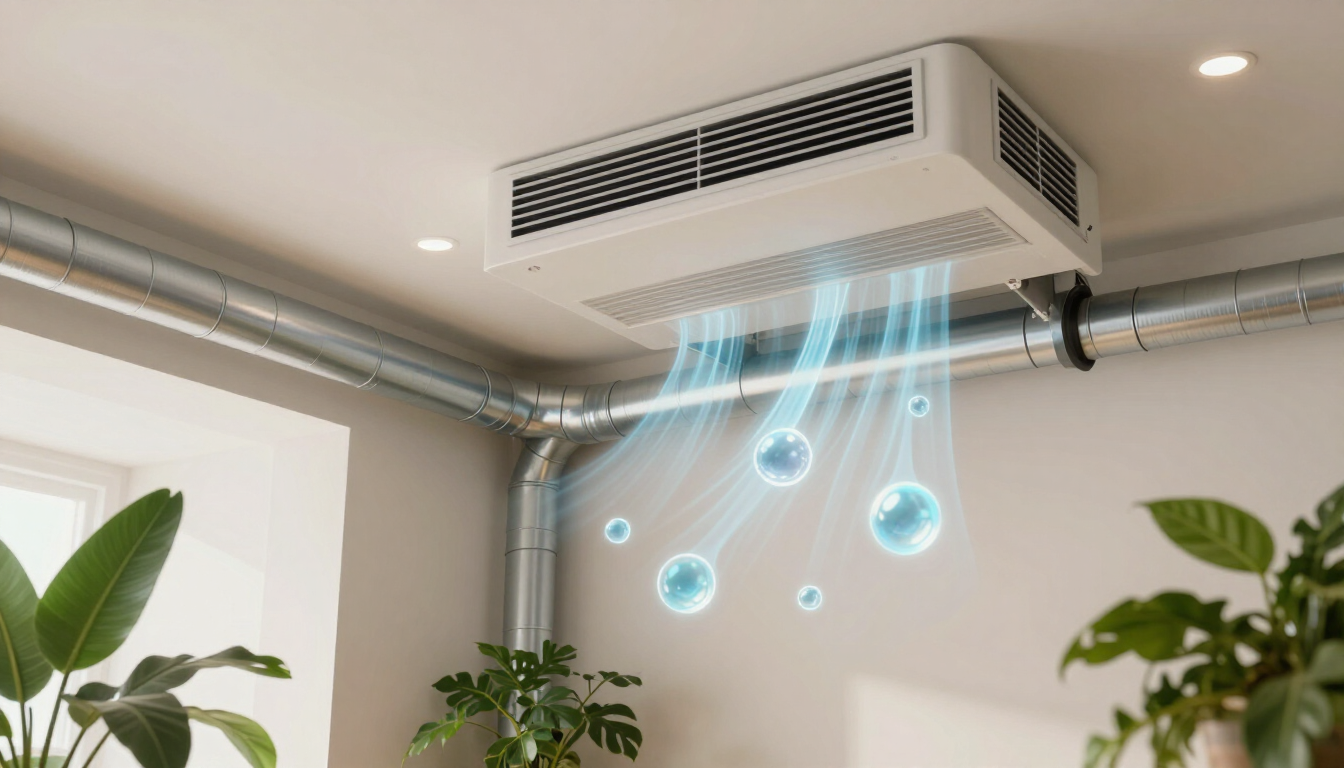
The condition and design of your existing ductwork can influence which heating system is practical.
If your home already has a well-designed duct system, replacing an existing central furnace or installing a ducted heat pump may be relatively straightforward, depending on equipment compatibility and the property's requirements.
However, poorly sealed, undersized, or inadequately insulated ducts can reduce comfort and increase energy waste regardless of the heating system.
Before replacing equipment, consider whether the existing ducts need inspection, sealing, balancing, or other improvements.
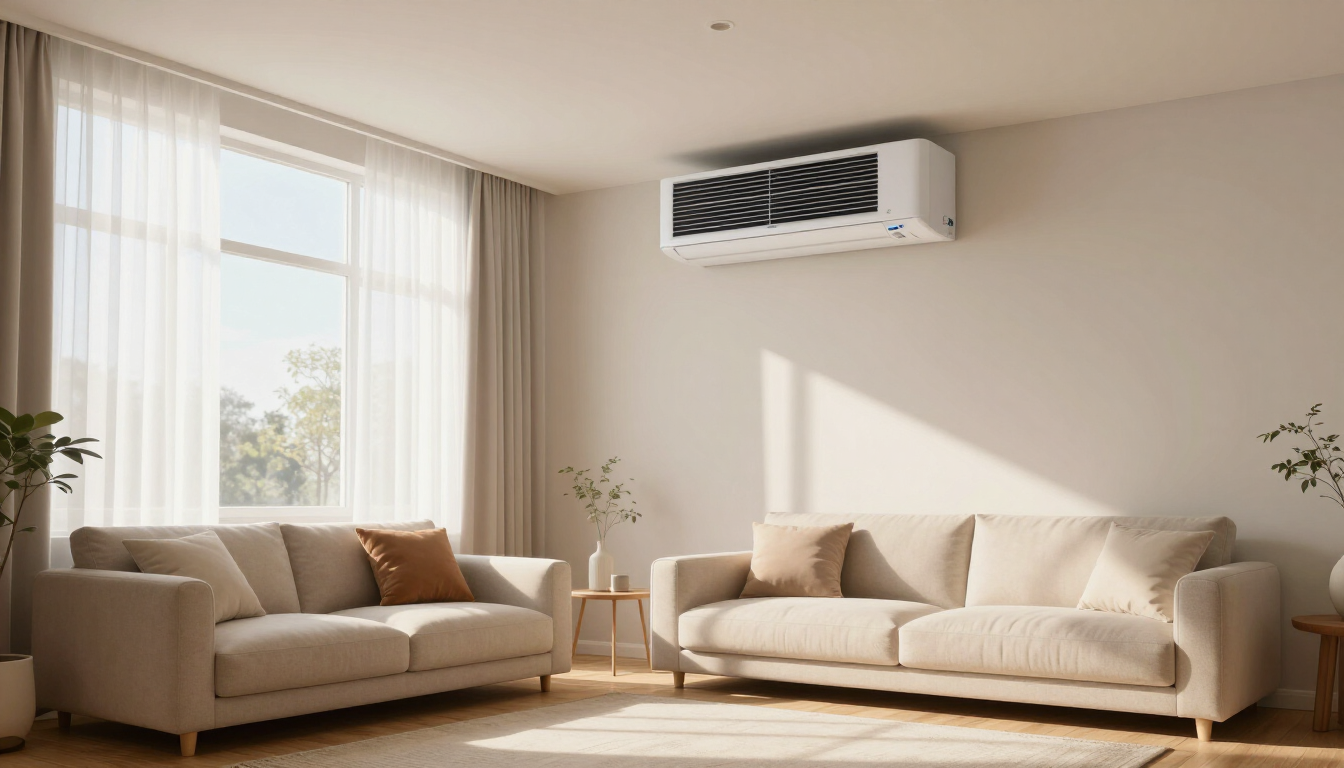
Homes without suitable ductwork may also benefit from exploring ductless mini-split systems. These systems can provide heating and cooling to selected areas without requiring conventional duct distribution.
A ductless system may be worth discussing if you're adding a room, renovating a particular area, or trying to improve comfort in a part of the home that the existing system does not serve effectively.
The best configuration depends on the home's layout, insulation, room-by-room heating requirements, and the equipment available.
6. Make Sure the System Is Properly Sized
Bigger is not automatically better when choosing heating equipment.
An oversized system may cycle on and off more frequently than necessary, potentially affecting comfort, efficiency, and equipment wear. An undersized system may struggle to maintain the desired temperature during demanding weather.
Proper sizing requires evaluating the home's heating load rather than selecting equipment based only on the size of the existing unit.
An HVAC professional should consider factors such as:
- Home size and layout.
- Insulation levels.
- Window type and condition.
- Air leakage and ventilation.
- Ceiling height and room configuration.
- Local outdoor design temperatures.
- Existing ductwork and air distribution.
A load calculation, such as one performed using an accepted residential heating and cooling methodology, helps determine the capacity required for the property.
This process is particularly important when replacing an older system because previous equipment may not have been sized correctly, or the home may have changed since the original installation.
Proper sizing helps establish a stronger foundation for reliable heating and comfortable indoor temperatures.
7. Don't Overlook Installation Quality and Maintenance
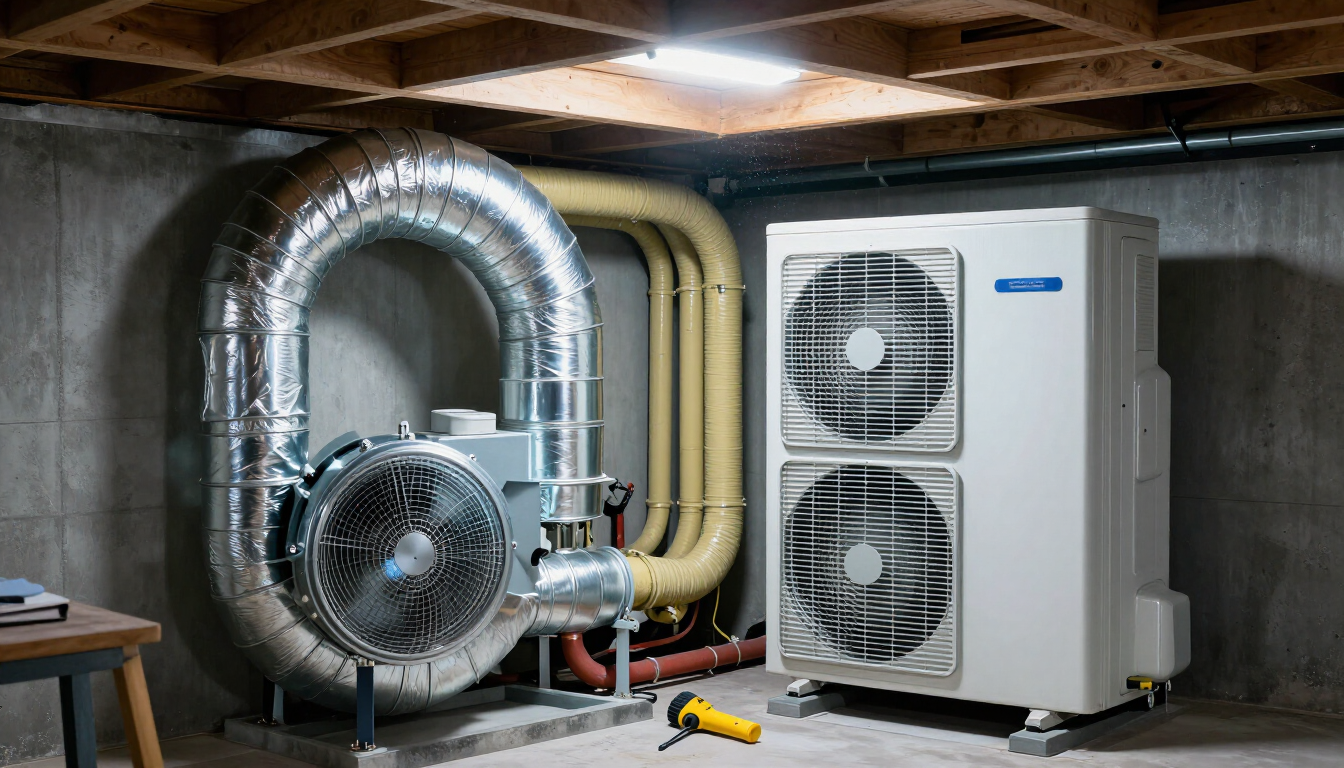
Even well-designed equipment may not perform as intended if it is installed incorrectly or neglected after installation.
Installation details can affect airflow, temperature control, energy consumption, and system reliability.
For a new heating system, make sure the project includes appropriate equipment selection, installation, system setup, and performance checks.
After installation, routine maintenance helps keep the system in suitable operating condition.
Depending on the system, maintenance may include inspecting electrical connections, checking airflow, evaluating controls, examining condensate components, and verifying that heating operation is functioning as expected.
Homeowners should also follow the manufacturer's filter recommendations and replace or clean filters as appropriate.
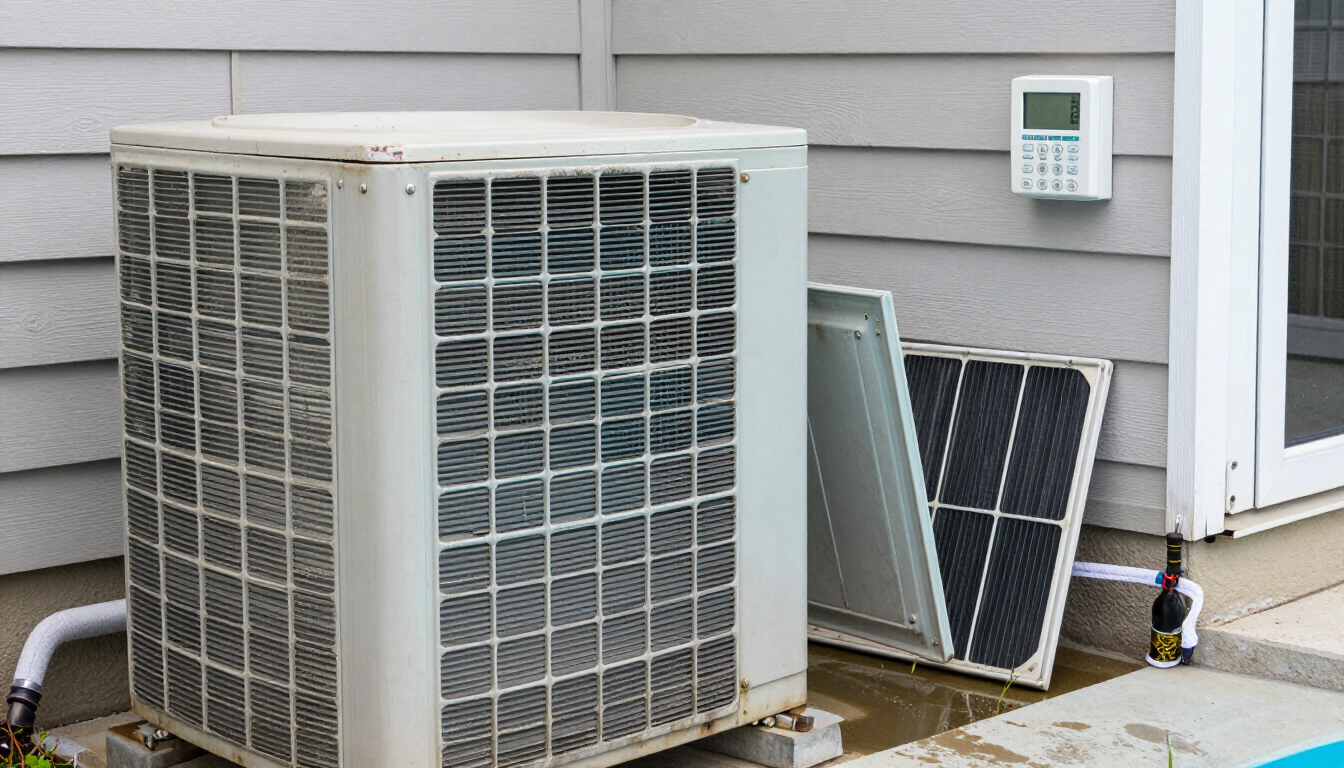
For heat pumps, outdoor units should remain clear of obstructions, and snow or debris should not be allowed to block airflow. Avoid chipping ice from the equipment or using methods that could damage its components.
If you notice unusual noises, persistent short cycling, inadequate heating, or unexpected increases in energy use, arrange an assessment rather than assuming the equipment simply needs a higher thermostat setting.
8. When Should You Consider Replacing Your Heating System?
Not every heating problem requires replacement. Some issues may be resolved through repair or maintenance, while others may indicate that aging equipment is becoming less practical to operate.
Consider having your system evaluated if:
- It struggles to maintain comfortable indoor temperatures.
- Heating bills have increased without an obvious explanation.
- Repairs are becoming more frequent.
- Certain rooms remain consistently colder than others.
- The equipment makes unusual noises or cycles repeatedly.
- The system is aging and replacement parts are becoming difficult to obtain.
- You are planning a renovation that changes the home's heating requirements.
A professional assessment can help determine whether repair, replacement, or improvements to the existing system are the most appropriate next step.
When comparing replacement options, evaluate the complete proposal rather than the equipment price alone. Ask about system sizing, efficiency, installation work, warranty terms, and any changes needed to electrical systems, ductwork, or supplemental heating.
Taking time to compare options can help you select a system that suits both your home and your long-term comfort goals.
Choose the Right Heating System for Your Blacksburg, VA Home
Both heat pumps and furnaces can be effective heating options, but the right choice depends on your home's design, local winter conditions, energy costs, and existing HVAC setup.
A heat pump may appeal to homeowners who want one system for heating and cooling, while a furnace may suit properties that benefit from a dedicated fuel-fired heating system. In some situations, a hybrid system may also be worth evaluating.
The best way to compare these options is to assess your home's heating requirements and consider the expected performance of each system under local conditions.
Air Tech Heating & Cooling serves homeowners in Blacksburg and the surrounding New River Valley with HVAC services.
Ready to evaluate your heating options? Contact Air Tech Heating & Cooling to discuss your home's comfort needs and explore the heating system options suitable for your property.