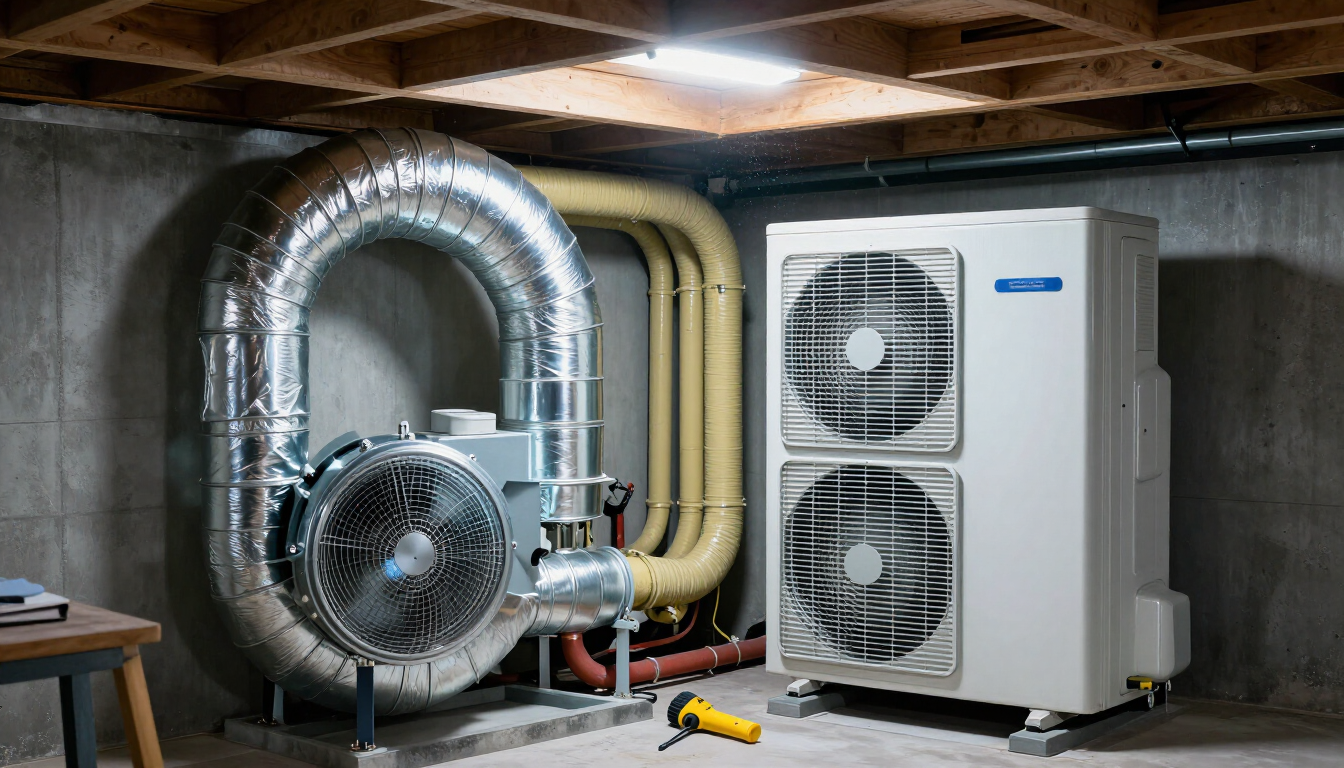

Why Does Your Heat Pump Run Defrost Mode? A Guide for Homeowners in Riner, VA
As temperatures begin to drop in Riner, Virginia, homeowners rely more heavily on their heating systems to keep indoor spaces comfortable. If you have a heat pump, you may occasionally notice that the outdoor unit produces steam, makes unusual operating sounds, or temporarily changes how it runs during colder weather.
These behaviors may be part of the system's normal defrost cycle.
Heat pumps are designed to transfer heat from outdoor air into your home. During cold and damp conditions, frost can accumulate on the outdoor coil and interfere with heat transfer. The defrost cycle helps remove that buildup so the system can continue operating efficiently.
Understanding how this process works can help you distinguish normal operation from signs that your heat pump may need professional attention.
1. What Is a Heat Pump Defrost Cycle?
A heat pump works by transferring heat rather than generating it through combustion. During heating operation, the outdoor unit absorbs heat from the outside air and transfers it indoors.
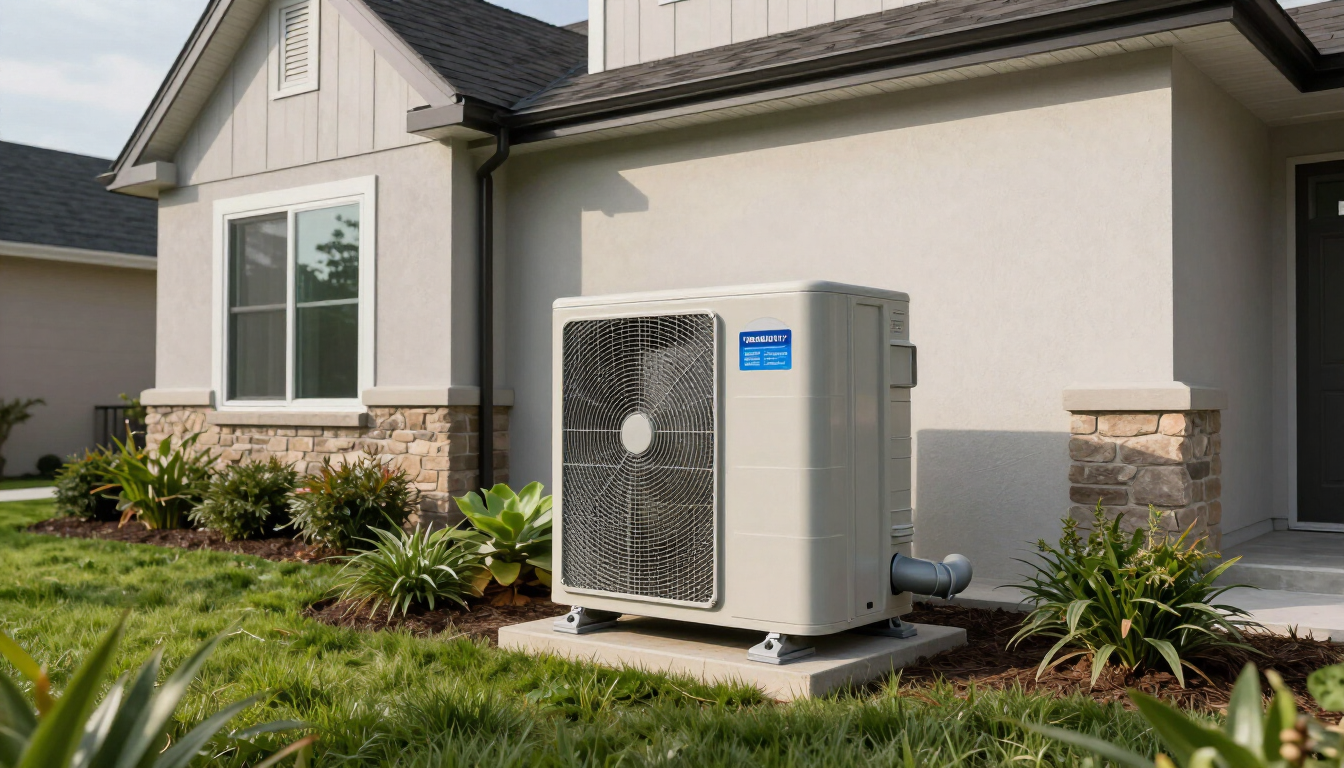
When outdoor temperatures are low and moisture is present, frost can develop on the outdoor coil. If enough frost accumulates, it can restrict airflow and reduce the system's ability to transfer heat.
To address this, many heat pumps have an automatic defrost function.
During defrost mode, the system temporarily changes its operation to warm the outdoor coil and melt accumulated frost. Once the process is complete, the heat pump returns to its normal heating operation.
This is an important part of how many heat pumps operate during colder weather.
2. Why Does Frost Form on the Outdoor Unit?
Frost formation is a normal possibility when a heat pump operates in cold, damp conditions.
Several environmental factors can contribute to frost buildup:
- Low outdoor temperatures: Colder conditions can increase the likelihood of frost developing on the outdoor coil.
- High humidity: Moisture in the air can collect and freeze on the coil surface.
- Rain and damp weather: Moist outdoor conditions can contribute to frost formation when temperatures are sufficiently low.
- Extended heating operation: During periods of sustained heating demand, frost may gradually accumulate and trigger the defrost cycle.
Homeowners in Riner may notice more frequent defrost activity during certain cold and damp weather conditions.
The frequency and duration of defrost cycles vary depending on the equipment, outdoor conditions, and system controls.
3. What Happens When Your Heat Pump Enters Defrost Mode?
A heat pump may behave differently while defrosting. Knowing what to expect can prevent unnecessary concern when the system is operating normally.
The Outdoor Fan May Stop
During a defrost cycle, the outdoor fan may temporarily stop running while the system works to warm the outdoor coil.
This is part of the defrost process on many heat pump models.
You May See Steam Coming From the Outdoor Unit
As accumulated frost melts, water may evaporate from the warm coil and create a cloud that looks like steam or smoke.
In many situations, this is normal. However, if you notice burning smells, electrical issues, or persistent unusual behavior, arrange a professional inspection.
The System May Temporarily Produce Cooler Air
Some heat pumps temporarily change their operating mode during defrosting. Depending on the equipment, auxiliary or backup heat may operate to help maintain indoor comfort.
You may notice a brief change in the temperature of the air coming from your vents.
The Cycle Should Eventually End
Once the outdoor coil has cleared sufficiently, the system should return to regular heating operation.
If the unit appears to remain in defrost mode for an unusually long time or repeatedly struggles to return to heating, it may need professional attention.
Always refer to your equipment manufacturer's guidance for model-specific operating behavior.
4. When Is Heat Pump Defrosting a Sign of a Problem?
Occasional defrost cycles are normal. However, certain symptoms may indicate that the system is not operating as intended.
Watch for these warning signs:
- Persistent Ice Buildup: A light layer of frost can be normal, but thick ice that remains on the outdoor unit may indicate a problem with defrost operation or another system component.
- Frequent or Repeated Defrost Cycles: If the unit seems to enter defrost mode unusually often, a technician may need to evaluate its operation and the conditions causing the buildup.
- Insufficient Heating: If your home remains cold or the heat pump struggles to maintain the thermostat setting, the system may have an issue beyond normal defrosting.
- Unusual Noises: New grinding, buzzing, or persistent mechanical sounds should not be ignored.
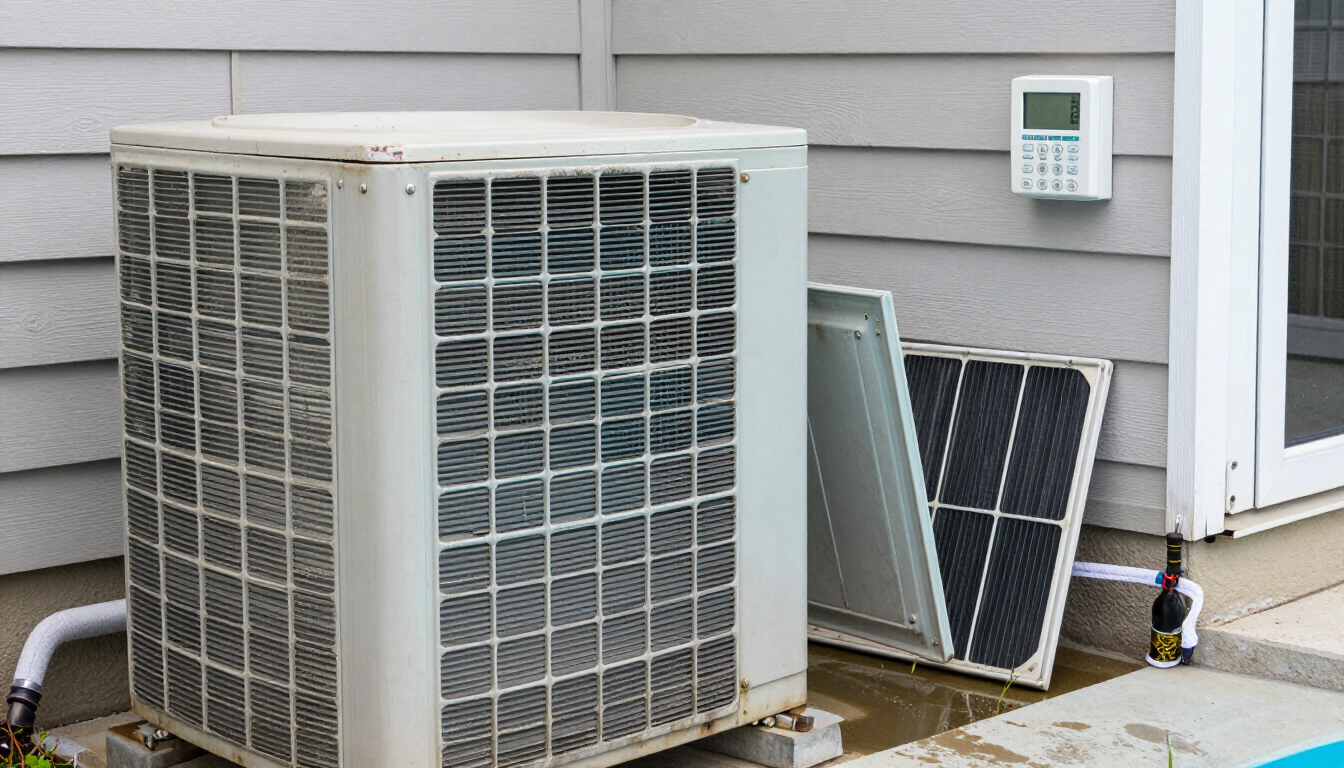
- Water or Ice Around the Unit: Water from melting frost is expected during defrosting, but poor drainage or recurring ice accumulation around the equipment may require attention.
Do not attempt to chip away ice or force the outdoor unit to operate. Doing so can damage components. If significant ice remains or the system is not heating properly, contact an HVAC professional.
5. What Can Homeowners Do to Support Normal Defrost Operation?
Although the defrost cycle is controlled automatically by the heat pump, homeowners can take a few basic steps to support proper system operation.
Keep the Outdoor Unit Clear
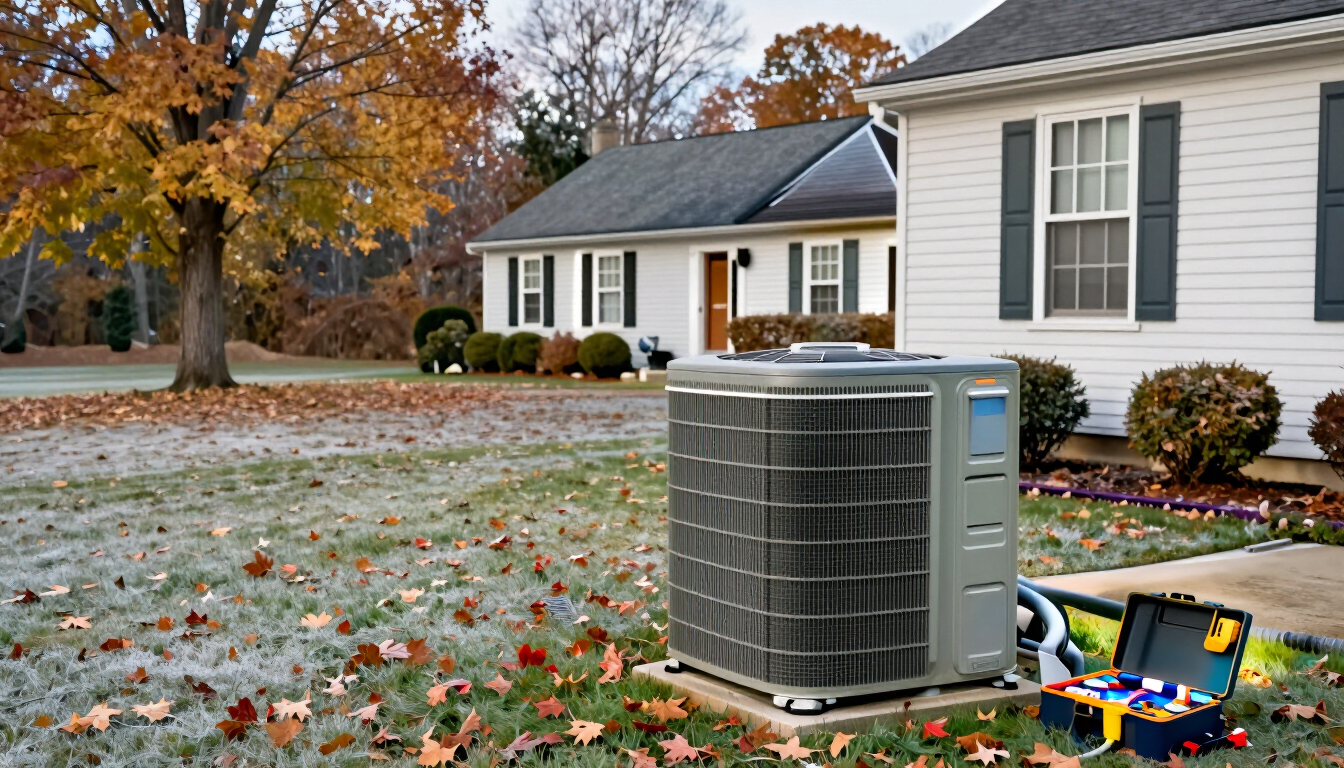
Remove leaves, branches, and other debris from around the outdoor unit. Maintain the manufacturer's recommended clearance so air can circulate properly.
Avoid placing objects directly against the equipment or covering the unit in a way that restricts airflow.
Check Your Air Filter
A dirty indoor air filter can restrict airflow and affect overall system performance.
Inspect your filter regularly and replace or clean it according to the manufacturer's recommendations and the type of filter installed.
Keep the Thermostat Settings Consistent
Frequent large thermostat adjustments can cause unnecessary changes in heating demand.
Choose a comfortable setting and allow the system to operate according to its intended controls. If you have questions about your thermostat's programming, consult the equipment documentation or an HVAC professional.
Pay Attention to Changes in Performance
Become familiar with how your heat pump normally operates. If you notice a significant change in heating performance, unusual sounds, or persistent ice buildup, arrange an inspection.
6. Why Professional Heat Pump Maintenance Matters Before Winter
A heat pump works through multiple components and controls that need to operate together. Regular maintenance helps identify potential problems before colder weather places greater demand on the equipment.
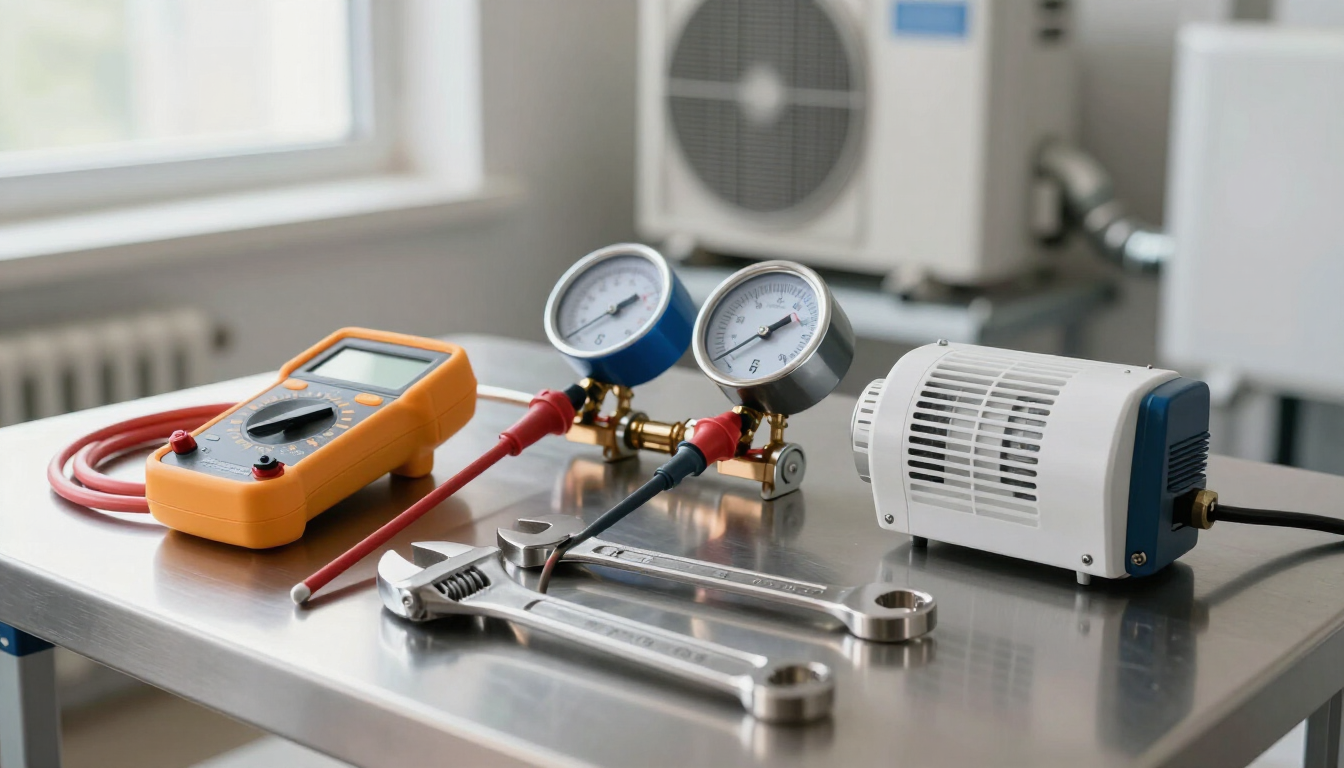
A professional maintenance visit may include checking system operation, inspecting accessible components, evaluating airflow, and reviewing the condition of the outdoor unit.
Depending on the equipment and maintenance requirements, a technician may also evaluate the defrost controls and related components.
Routine attention can help identify issues such as restricted airflow, electrical concerns, or components that are not operating as intended.
For homeowners in Riner, VA, scheduling heating system maintenance before the coldest part of the season can help prepare the equipment for increased winter use.
7. When to Call an HVAC Professional
Not every change in heat pump operation means something is wrong. Steam during defrosting, a temporarily stopped outdoor fan, and brief changes in heating operation can all be normal.
However, professional assistance is recommended when:
- The outdoor unit remains covered in thick ice.
- Your heat pump repeatedly struggles to provide adequate heat.
- Defrost cycles appear unusually frequent or prolonged.
- The system makes new or persistent unusual noises.
- The thermostat setting is not being maintained.
- You notice signs of electrical or mechanical problems.
A qualified HVAC technician can inspect the system, identify the cause of the problem, and recommend an appropriate solution.
Avoid opening electrical compartments or attempting to repair refrigerant-related components yourself.
Keep Your Heat Pump Ready for Winter in Riner, VA
Your heat pump's defrost cycle plays an important role in maintaining operation during cold weather. Understanding why frost forms, what happens during defrost mode, and which warning signs deserve attention can help you make better decisions about your home's heating system.
If your heat pump is covered in persistent ice, struggling to maintain indoor comfort, or behaving differently than usual, professional evaluation may help identify the issue.
Air Tech Heating & Cooling provides heating and cooling services for homeowners in Riner and surrounding New River Valley communities.
Need help with your heat pump this winter? Contact Air Tech Heating & Cooling to discuss your heating system concerns and schedule professional HVAC service.