The Ultimate Guide to Heat Pumps: Why Your Old System is Struggling (And What to Buy in 2026)
- Why does it blow "lukewarm" air?
- Why does the "Aux Heat" light come on in January?
- Why is my electric bill $400 this month?
How a Heat Pump Works (The "Magic" of Moving Heat)
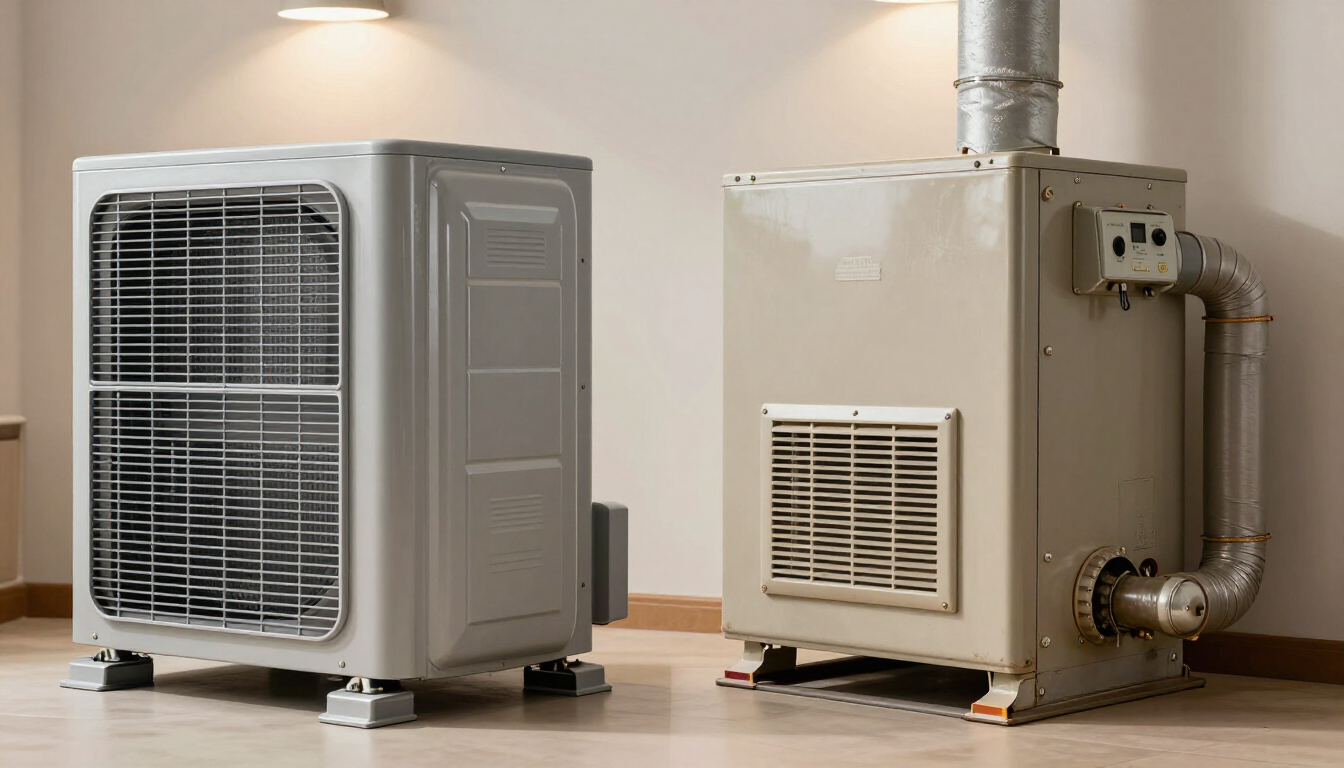
A heat pump doesn't create heat (like a furnace burning gas or a toaster burning electricity). It moves heat.
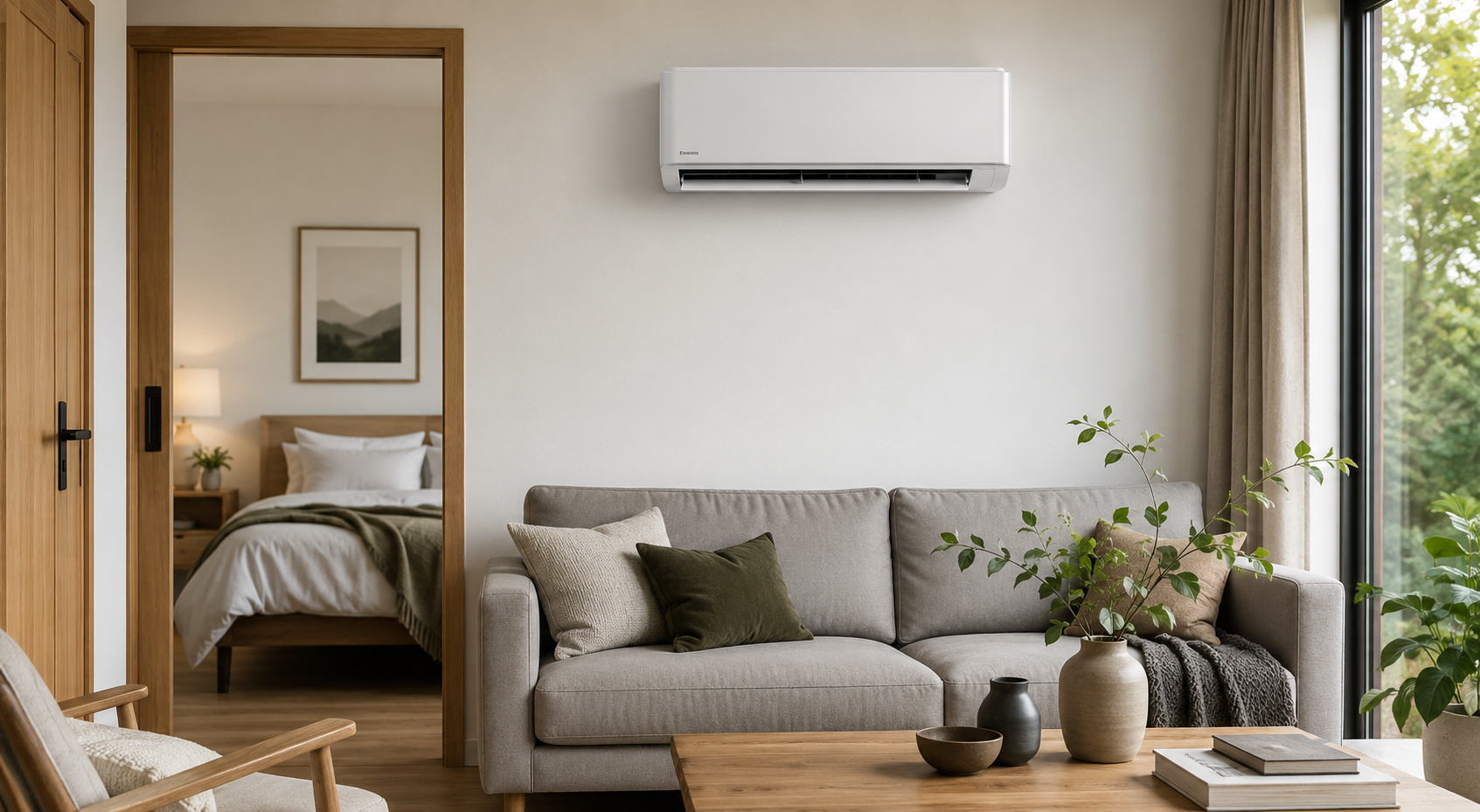
- Summer Mode: It acts just like an air conditioner. It absorbs heat from inside your house and dumps it outside.
- Winter Mode: It reverses direction. It absorbs heat from the outdoor air and dumps it inside your house.
The Physics Problem: You might ask, "How can it find heat outside when it's 30 degrees?" Physics tells us there is thermal energy in the air all the way down to absolute zero (-460°F). So, even at 30°F, there is heat to be harvested.
- The Struggle: As the temperature drops, it becomes harder and harder to extract that heat. An old-school heat pump loses significant efficiency once the temperature dips below 35°F. It has to work harder to maintain 70°F inside.
The "Aux Heat" Trap (Why Your Bill is High)
When it gets too cold (usually around 25-30°F for older units), the heat pump can't keep up. It calls for backup. This is your Auxiliary (Aux) or Emergency Heat.
- What it is: Inside your air handler, there are electric resistance strips (basically giant toaster coils).
- The Cost: These strips are 100% efficient at making heat, but they are 300% to 400% more expensive to run than the heat pump compressor.
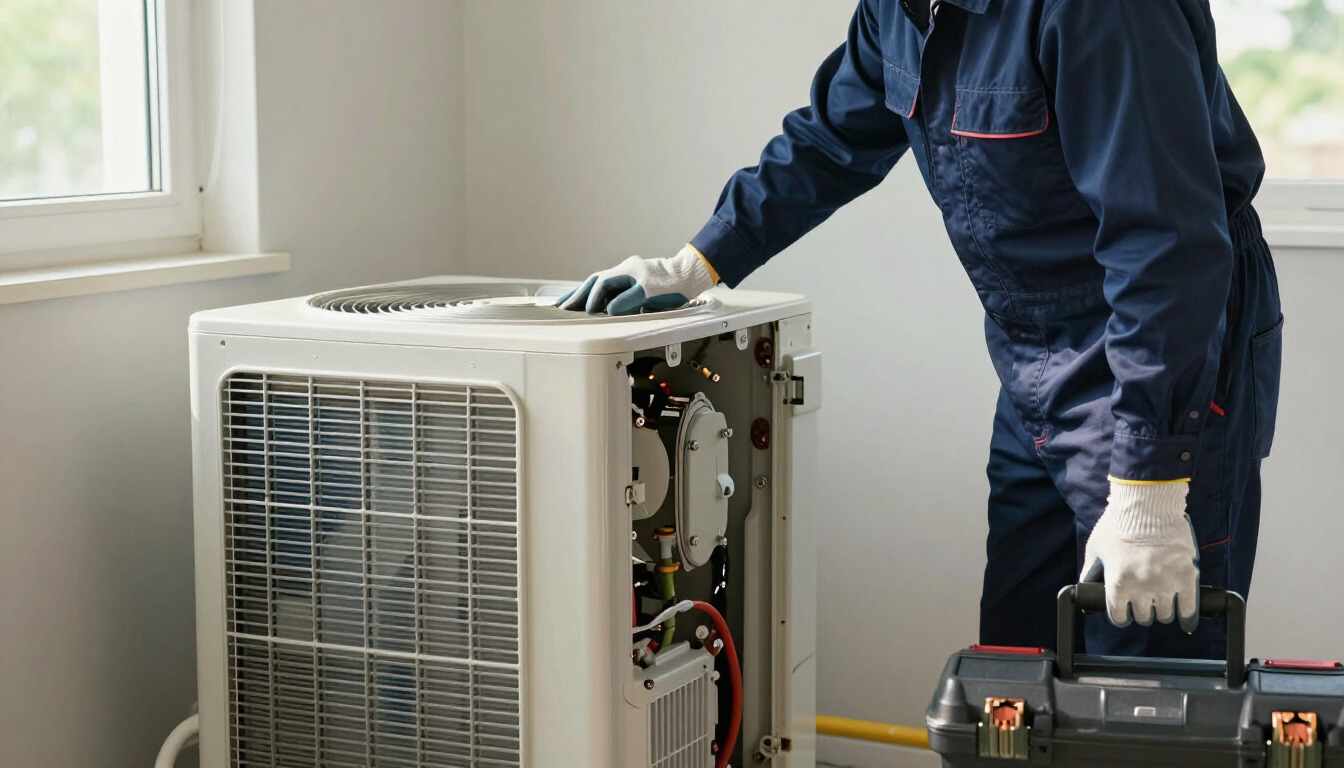
- The Failure: If your outdoor unit is broken (low refrigerant, bad compressor), your system might run on Aux Heat exclusively. You won't know until you get a massive electric bill.
The Revolution: Inverter (Variable Speed) Technology
If you are shopping for a new system in 2026, you will hear the word "Inverter" or "Variable Speed." This is the single biggest improvement in HVAC technology in decades.
The Old Way (Single Stage)
Your old heat pump is like a light switch. It is either ON (100%) or OFF (0%).
- When it turns on, it blasts full cold/hot air.
- When it reaches the temperature, it shuts off completely.
- The Downside: It’s loud. It creates temperature swings (hot/cold/hot/cold). It uses a massive surge of electricity every time it starts up.
The New Way (Inverter Driven)
An inverter system is like a dimmer switch or a gas pedal.
- It can run at 100%, but it can also run at 40%, 65%, or 82%. It ramps up and down to match exactly what your house needs.
- The Benefit: It runs longer, but at a much lower speed. This maintains a perfectly constant temperature.
- The Efficiency: Because it rarely turns off/on, it uses significantly less electricity.
- Cold Weather Performance: Modern "Cold Climate" inverters can extract heat efficiently even when it is 0°F outside, meaning you almost never need to use that expensive Aux Heat.
Decoding the Ratings: SEER2 and HSPF2
In 2023, the Department of Energy changed the rating system. If you haven't bought a unit recently, the numbers look different.
- SEER2 (Seasonal Energy Efficiency Ratio): Measures cooling efficiency.
- Standard: 14.3 SEER2 is the new minimum in the South/VA.
- High Efficiency: 16-20+ SEER2. (These are usually Inverter systems).
- HSPF2 (Heating Seasonal Performance Factor): Measures heating efficiency.
- This is the number that matters for winter in the NRV. A higher HSPF2 (8.5+) means lower winter electric bills.
The Payback Calculation: A 20 SEER2 system costs more upfront than a 14.3 SEER2 system. But if you plan to stay in your home for 7-10 years, the monthly savings on your utility bill will often pay for the difference—and then put money in your pocket.
The Refrigerant Change: R-410A is Phasing Out
You need to know this: The standard refrigerant used for the last 20 years (R-410A or Puron) is being phased out starting in 2025/2026 due to new EPA regulations (the AIM Act).
- The New Standard: New systems will use A2L refrigerants (like R-454B or R-32). These have a much lower Global Warming Potential.
- What This Means for You:
- If you buy a new system today, try to get one of the newer A2L compliant units if available, or be aware that R-410A will eventually become more expensive to service (just like Freon/R-22 did).
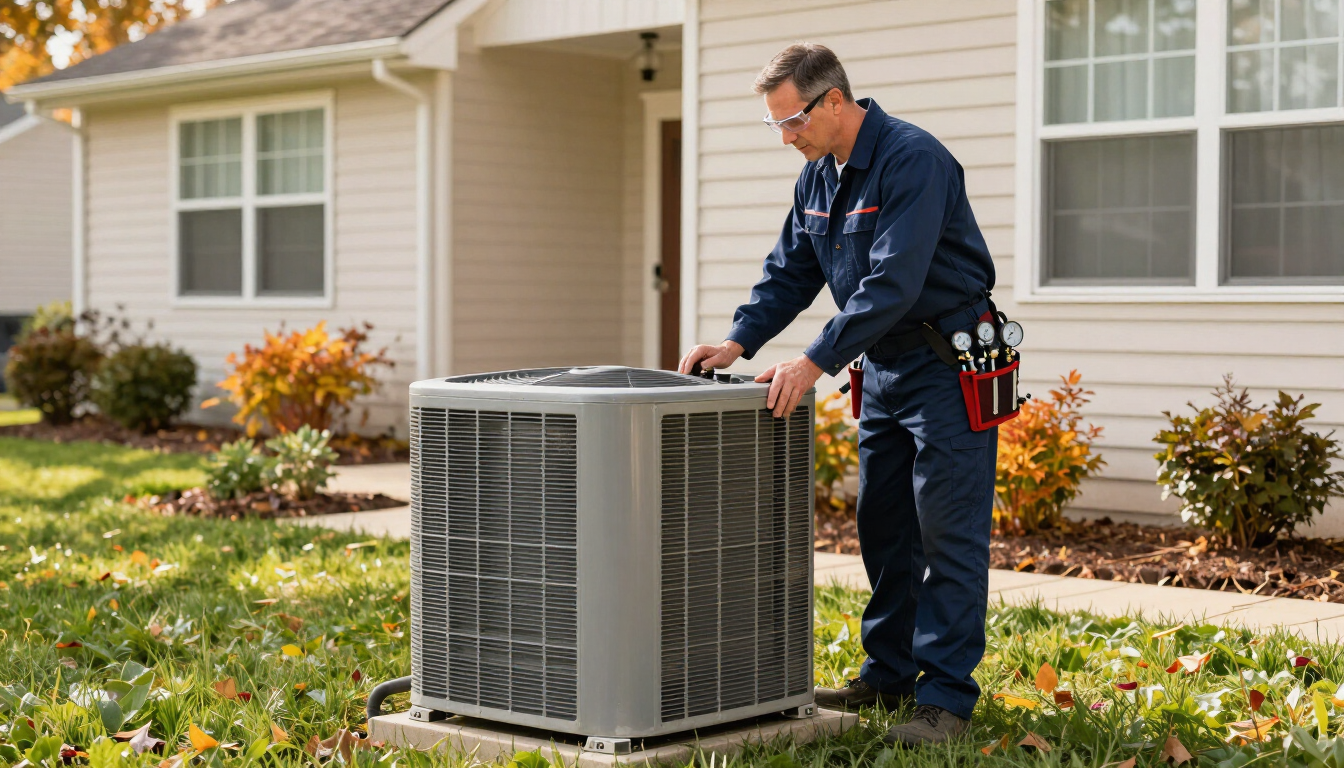
- Air Tech Expertise: We are fully trained and certified on the new A2L safety protocols (these new refrigerants are classified as "mildly flammable," so proper installation is critical).
The Installation Matters More Than the Brand
Homeowners obsess over brands (Trane vs. Carrier vs. Lennox). The dirty secret of the industry? The brand matters less than the installer. A top-of-the-line Trane system installed poorly will fail in 5 years. A budget brand installed perfectly will run for 15.
The "Air Tech" Installation Difference
- Manual J Load Calculation: We don't just guess the size. We measure your windows, insulation, and square footage to calculate exactly how many BTUs you need. (Oversizing a unit is just as bad as undersizing it—it leads to humidity problems).
- Nitrogen Braze: When we weld the copper lines, we flow nitrogen through the pipe to prevent oxidation (soot) from building up inside. This protects the compressor.
- Vacuum Decay Test: We use digital micron gauges to ensure the lines are perfectly dehydrated and sealed before releasing the refrigerant.
Conclusion: Comfort is an Investment
Replacing your HVAC system is a big expense, usually the cost of a used car. But unlike a car, this is an appliance that runs 24/7/365 to keep your family safe and comfortable.
Don't wait for your system to die on the coldest night of the year (which is typically when they fail). Be proactive.
Is your system over 12 years old?
Contact Air Tech Heating & Cooling for a free replacement estimate. We can assess your current ductwork, explain the new Inverter options, and help you find a system that fits your budget and lowers your bills.