The Ultimate Spring HVAC Prep Guide for New River Valley Homeowners

March 10, 2026
As the calendar turns to March and we begin to shake off the chill of winter, the New River Valley undergoes a beautiful transformation. The dogwoods start to bud, the days grow noticeably longer, and the sharp winter winds give way to warmer, sunnier afternoons. However, if you have lived in Christiansburg, Blacksburg, or Radford for any length of time, you know that springtime in Virginia is notoriously unpredictable. We can easily experience a freezing morning frost and a sweltering 80-degree afternoon within the exact same week.

This rapid fluctuation in temperature asks a lot of your home’s heating and cooling system. Your HVAC unit must seamlessly transition from keeping you warm to keeping you cool, often on a daily basis. Preparing your system for this seasonal shift is not just about ensuring your comfort; it is about protecting your investment, lowering your monthly utility bills, and maintaining pristine indoor air quality.

At Air Tech Heating & Cooling, we have spent over 15 years helping our neighbors navigate these seasonal transitions. To help you get ahead of the curve this year, we have put together the ultimate spring HVAC preparation guide. By following these comprehensive steps, you can ensure your home remains a comfortable, efficient oasis all spring and summer long.

Phase 1: Tackling Indoor Air Quality

When spring arrives in the New River Valley, so does the pollen. While the blooming trees are beautiful, they can wreak havoc on your respiratory system, especially if those allergens make their way inside your home. Your HVAC system is your first line of defense against poor indoor air quality.

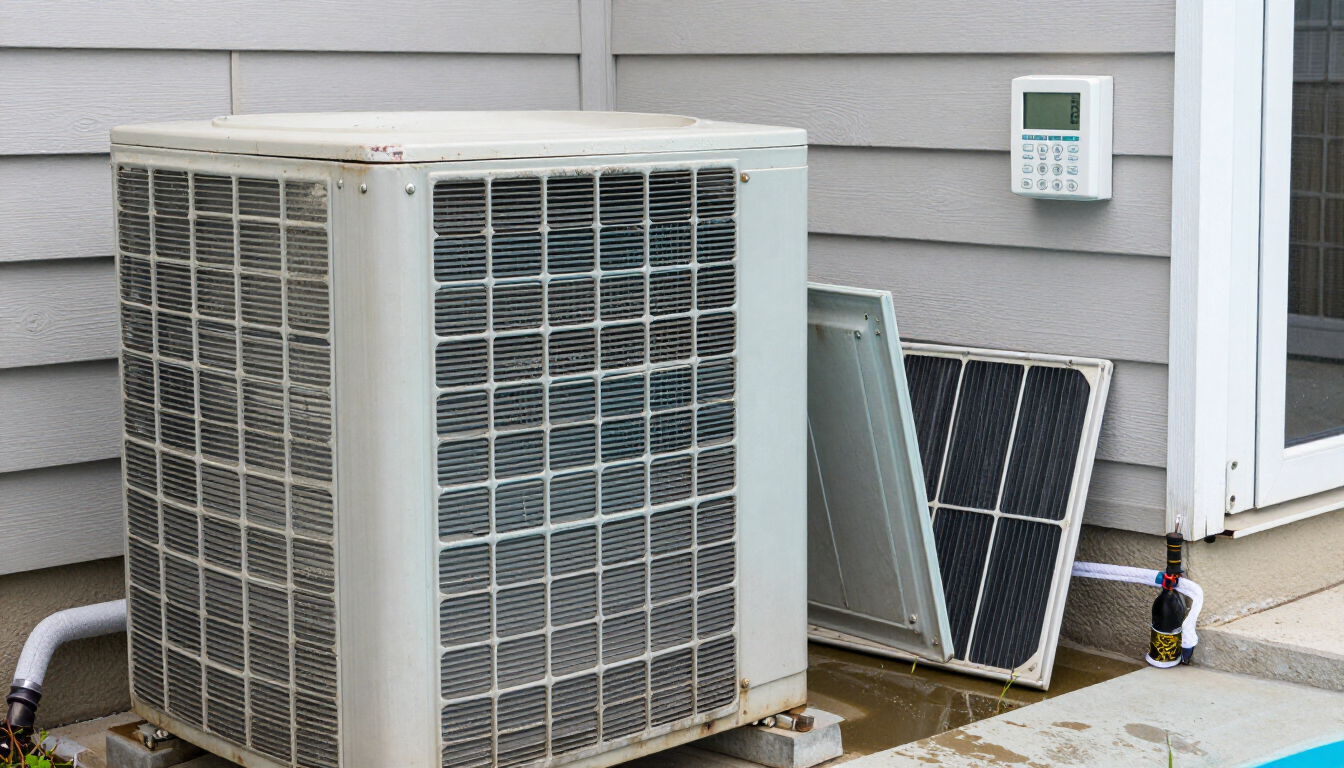
The Great Filter Swap Over the winter, your home has likely been sealed up tight. Your furnace filter has been working overtime, trapping dust, pet dander, lint, and airborne viruses. Starting the spring season with a dirty, clogged filter is one of the worst things you can do for your AC unit. A clogged filter restricts airflow, forcing the system’s blower motor to work twice as hard to push air through the house. This not only spikes your energy bills but can also cause the evaporator coil to freeze over, leading to a complete system shutdown.


Action Step: Replace your standard 1-inch fiberglass filters every 30 days during peak allergy season. If you suffer from severe allergies, consider upgrading to a pleated filter with a higher MERV (Minimum Efficiency Reporting Value) rating, which can trap microscopic pollen and mold spores.


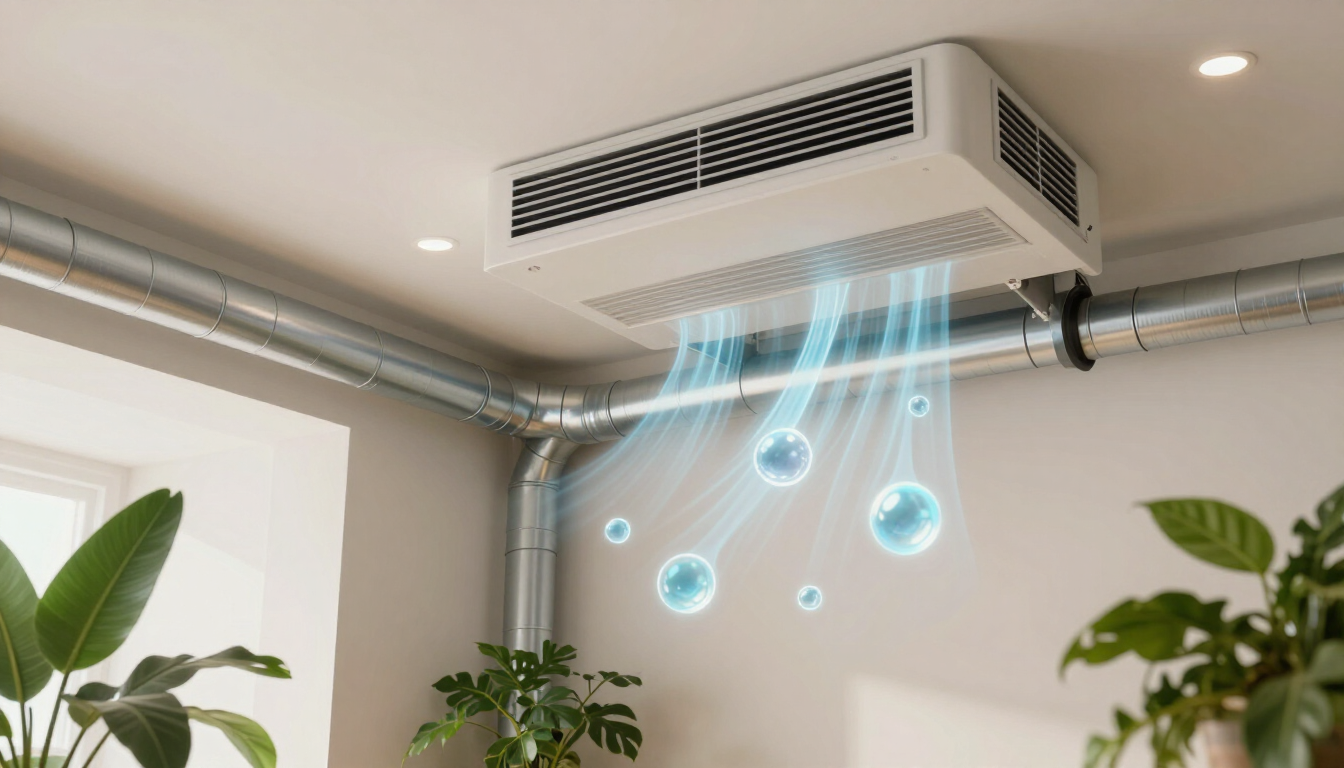
Upgrading Your Air Filtration Arsenal Sometimes, standard filters aren't enough to combat Virginia's heavy spring pollen. If you find yourself constantly dusting or waking up with a stuffy nose, it might be time to consider dedicated air filtration. At Air Tech Heating & Cooling, we install whole-home air filtration units that integrate directly into your existing ductwork. These systems actively purify the air circulating through every room in your house, capturing up to 99% of airborne contaminants before they ever reach your lungs.


Managing Spring Humidity Spring showers bring May flowers, but they also bring heavy humidity. Excess moisture in your home makes the air feel warmer than it actually is, forcing you to crank down the AC. Worse, high humidity creates the perfect breeding ground for mold and mildew in your ductwork and crawlspaces. A whole-home dehumidifier works in tandem with your AC to extract excess moisture, keeping your indoor humidity at the ideal 30-50% range.

Phase 2: Caring for Your Outdoor Condenser Unit

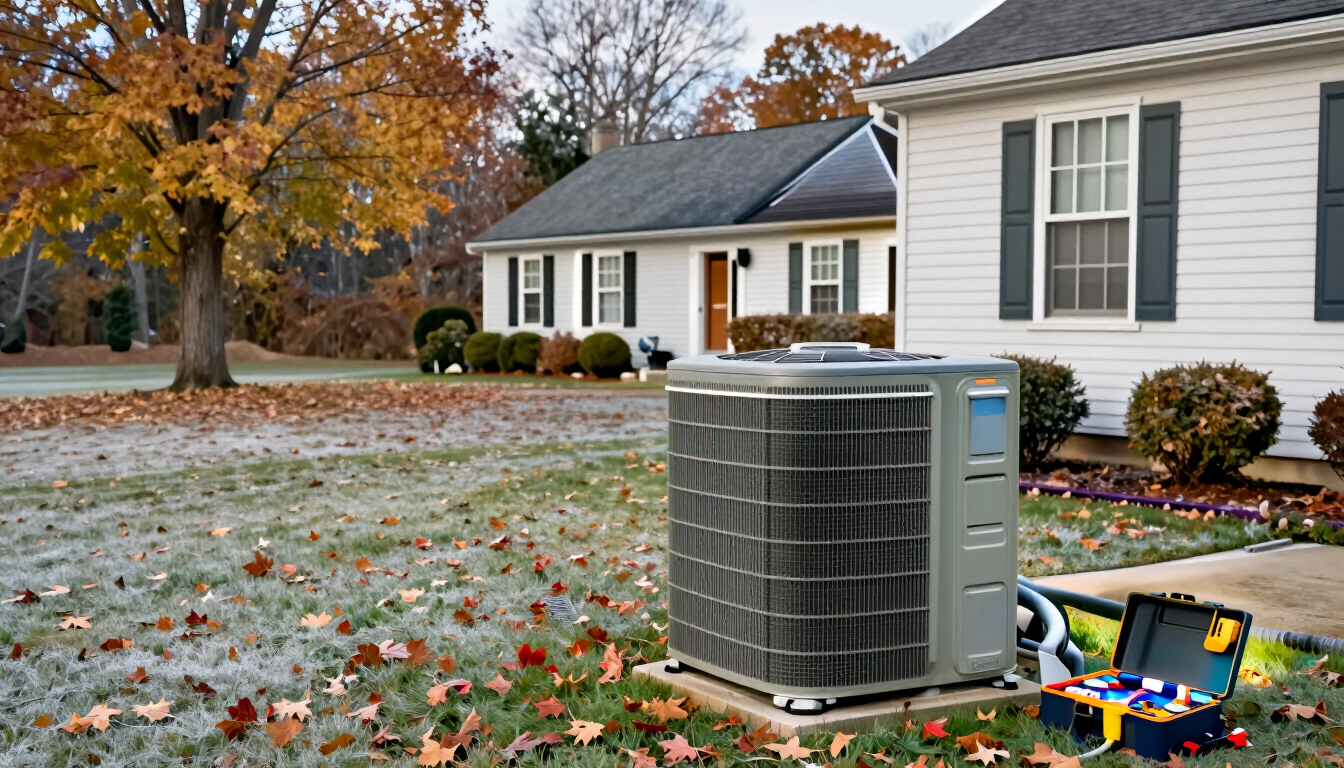
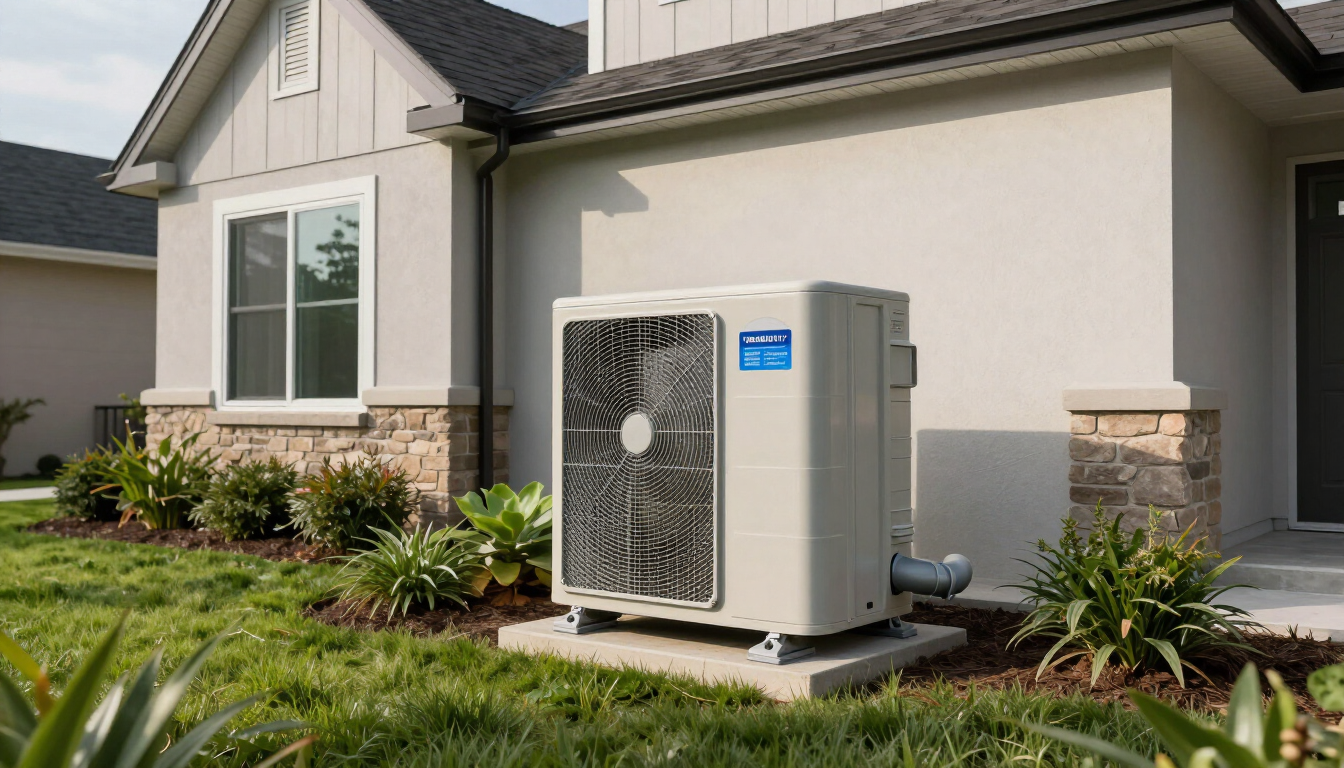
Your outdoor air conditioning unit (the condenser) has spent the last several months braving snow, ice, falling branches, and freezing rain. Before you demand that it cool your home during the first unseasonably hot spring day, it needs a little TLC.


Clearing the Perimeter Your AC condenser requires a massive amount of unobstructed airflow to effectively dissipate the heat it removes from your home. Over the winter, dead leaves, twigs, and overgrown vegetation have likely accumulated around the base and sides of the unit.

Action Step: Head outside and clear a strict two-foot perimeter around the entire condenser. Rake away all dead leaves, trim back any overgrown bushes or ornamental grasses, and ensure there is no debris resting on top of the fan grate.


Inspecting for Winter Damage Take a close look at the exterior of the unit. Are the delicate aluminum fins on the side crushed or bent? This can happen from heavy ice accumulation or flying debris during winter storms. Bent fins restrict airflow and plummet your system’s efficiency. Do you notice any frayed wires, chewed insulation (often caused by rodents seeking warmth), or pooling liquid near the base? If you spot any of these warning signs, do not turn the system on. Call the professionals at Air Tech immediately to prevent causing further, catastrophic electrical or mechanical damage.

Phase 3: Optimizing Your Thermostat and Airflow

The way you control the air inside your home plays a massive role in how efficiently your system operates during the spring transition.


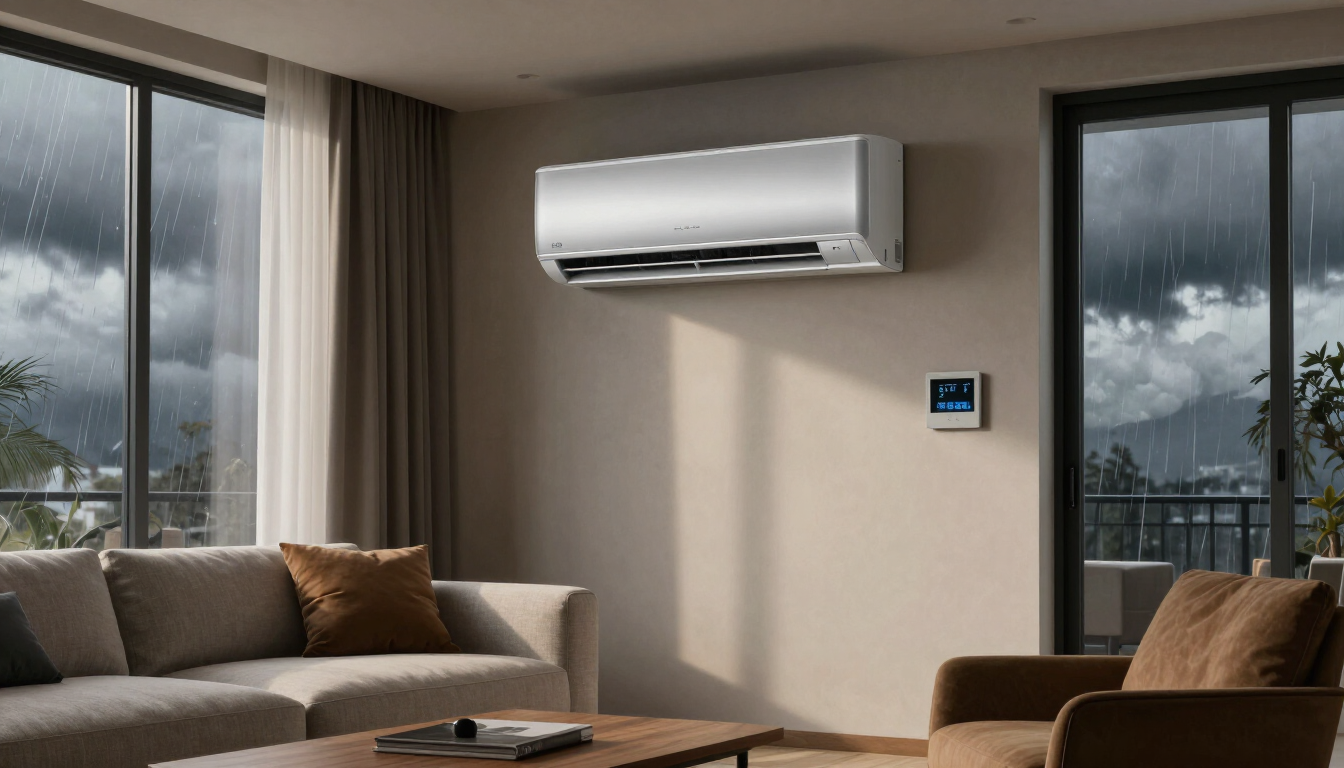
The Smart Thermostat Advantage If you are still using an old, manual dial thermostat, spring is the perfect time to upgrade. A programmable or smart thermostat allows you to set specific temperature schedules based on your routine. You can program the system to ease up while you are at work and begin cooling the house down just before you return. Smart thermostats learn your habits over time and can save you up to 10-15% on your annual heating and cooling bills.


Checking Vents and Registers Walk through every room in your home and inspect the supply and return vents. It is surprisingly common for vents to get accidentally blocked over the winter by moved furniture, area rugs, or heavy drapes.

Action Step: Ensure all vents are fully open and unobstructed. Contrary to popular belief, closing vents in unused rooms does not save energy. Your HVAC system is sized to cool the specific square footage of your entire home. Closing vents throws off the system's pressure balance, leading to duct leaks and overworked blower motors.

Phase 4: The Crucial Role of Professional Maintenance

While changing your filter and clearing yard debris are vital DIY steps, they are only a fraction of what is required to truly prepare your HVAC system for the strenuous months ahead. Just as you wouldn't drive your car for 100,000 miles without an oil change, you shouldn't expect your AC unit to run flawlessly year after year without professional tuning.


A comprehensive spring AC tune-up from a licensed Air Tech technician involves complex electrical and mechanical diagnostics that go far beyond a visual inspection.


What Our Technicians Do:


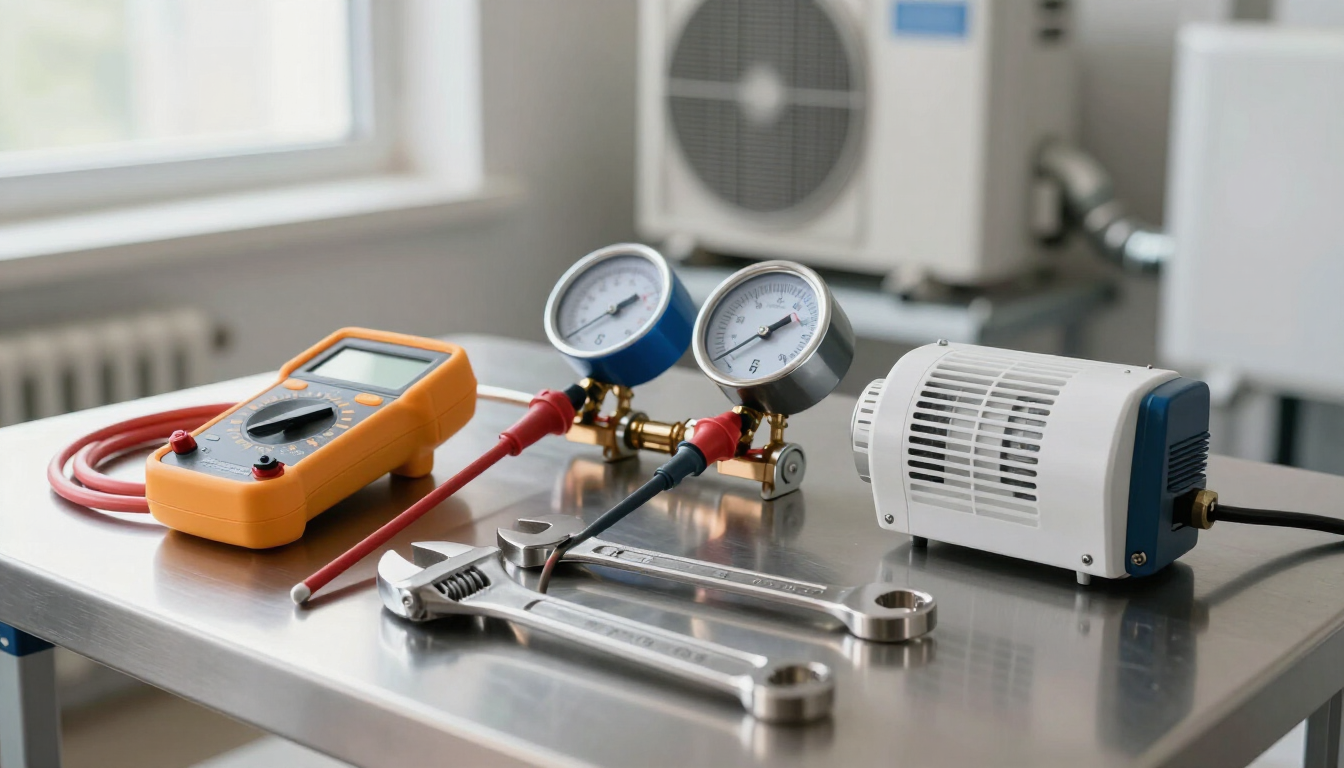
1.Refrigerant Level Checks: An AC unit that is low on refrigerant (Freon or Puron) will blow warm air and eventually burn out the compressor. Our technicians gauge the precise refrigerant pressure and top it off if necessary, while also hunting down the source of any microscopic leaks.


2. Electrical Component Inspection: We test all capacitors, relays, and contactors. A failing capacitor is one of the most common reasons an AC unit refuses to start on the first hot day of the year. Catching a weak electrical component now prevents a total breakdown later.


3.Deep Coil Cleaning: Even with a good filter, your indoor evaporator coil will accumulate an insulating la

yer of dust over time. We use specialized, non-corrosive chemical cleaners to strip away this grime, allowing the coil to efficiently absorb heat from your home's air.

4.Condensate Drain Clearing: Your AC unit produces gallons of condensation every day as it removes humidity from the air. This water drains out through a small PVC pipe. Algae and mold love to grow in this dark, damp pipe, causing clogs. A clogged drain line will back up, overflowing the drain pan and causing devastating water damage to your ceilings or floors. We clear and flush these lines to ensure a free-flowing summer.

Knowing When It’s Time to Replace

Sometimes, despite your best maintenance efforts, an aging system is simply beyond cost-effective repair. If your air conditioner is over 10 to 15 years old, uses the phased-out R-22 Freon, or requires frequent, expensive repairs, it may be time to consider a replacement.


Air Tech Heating & Cooling services and installs all major brands, including Trane, Carrier, American Standard, York, and Mitsubishi. We offer free, no-obligation estimates to help you compare the cost of repairing your old unit versus upgrading to a high-efficiency system. With our flexible financing options (subject to credit approval), upgrading your home’s comfort is more accessible and affordable than ever. We allow you to buy now and pay over time, so you don't have to suffer through a hot Virginia summer with a failing AC.

Secure Your Comfort with Air Tech

As a family-owned business serving Christiansburg, Blacksburg, Radford, and the broader New River Valley, Air Tech Heating & Cooling prides itself on honesty, exceptional workmanship, and our Best Price Guarantee. We don't believe in aggressive upselling; we believe in providing the exact solutions you need to keep your home comfortable and safe.


Don't wait for the first 90-degree heatwave to discover your air conditioner is broken. By taking proactive steps today and scheduling your professional spring tune-up, you can enjoy total peace of mind all season long.

Contact Air Tech Heating & Cooling today at (540) 251-3131 to schedule your comprehensive spring maintenance service or to request a free estimate on a new, high-efficiency cooling system. Let our family keep your family perfectly comfortable this spring!
April 14, 2026
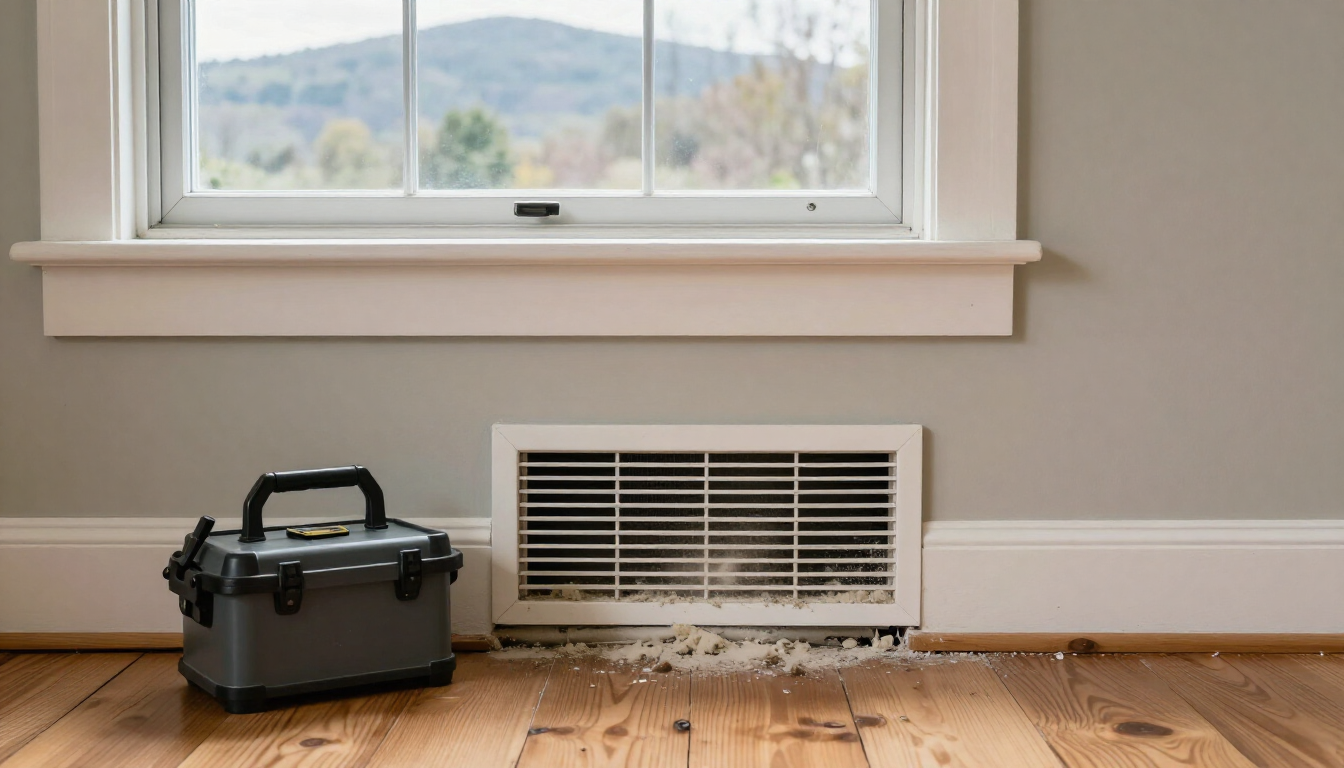
When we think about air pollution, we immediately picture smoggy city skylines, factory smokestacks, and heavy exhaust fumes from highway traffic. Because we associate pollution with the outdoors, we naturally view our homes as safe, clean sanctuaries. When the pollen counts in the New River Valley skyrocket during the spring, or when the winter air turns freezing and bitter, we retreat inside, lock the doors, and close the windows to protect ourselves. But what if the air inside your house is actually worse than the air outside? According to the Environmental Protection Agency (EPA), indoor air can be two to five times—and occasionally up to 100 times—more polluted than outdoor air. Over the last few decades, home construction has prioritized energy efficiency. We seal every crack, weatherstrip every door, and heavily insulate our attics to ensure we don't waste expensive heating and cooling. While this "tight home" construction saves you money on your utility bills, it creates a massive unintended consequence: it completely traps airborne contaminants inside. Your home essentially acts like a sealed plastic bag, continuously recirculating dust, allergens, viruses, and chemical off-gassing through your HVAC ductwork. At Air Tech Heating & Cooling, we believe that true comfort is about more than just temperature control; it is about the purity and health of the air your family breathes every single day. With over 15 years of experience serving Christiansburg, Blacksburg, and Radford, we have helped countless families turn their homes into true clean-air sanctuaries. If you wake up with a stuffy nose, suffer from dry winter skin, or constantly battle dust on your furniture, this comprehensive guide will explain the invisible threats floating in your home and the high-tech HVAC solutions designed to eliminate them.
April 6, 2026
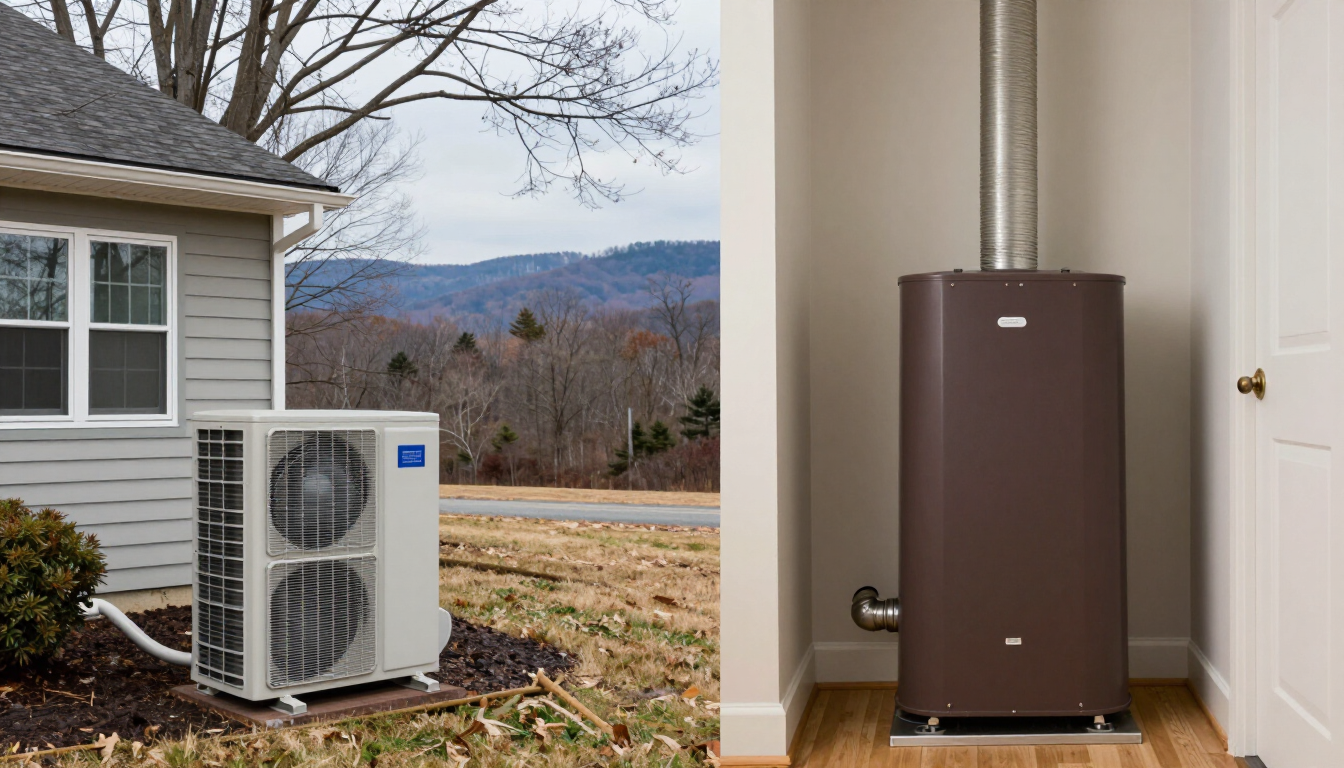
If you have lived in the New River Valley for more than a year, you are intimately familiar with our wildly unpredictable weather. We experience the absolute extremes of every season. We have sweltering, 90-degree July afternoons, and we have bitter, single-digit January nights where the Blue Ridge Mountains are blanketed in ice and snow. Because our climate demands so much from our home comfort systems, choosing the right heating equipment when it is time for a replacement is a massive financial and lifestyle decision. For decades, the great debate in Virginia HVAC has centered around two primary contenders: the traditional gas furnace and the electric heat pump. If you ask five different neighbors which system is better, you will likely get five different, highly opinionated answers. The truth is, there is no one-size-fits-all "best" system; there is only the best system for your specific home and energy setup. At Air Tech Heating & Cooling, we have spent over 15 years designing and installing high-efficiency heating solutions across Christiansburg, Blacksburg, and Radford. We don't believe in aggressive sales pitches; we believe in educating our customers. In this comprehensive guide, we will break down exactly how both systems operate, their unique pros and cons, and introduce you to the ultimate "best of both worlds" hybrid solution.
April 1, 2026
We see it every year. The first truly cold night of winter hits the New River Valley. The temperature drops to 15°F. And the next morning, our phones at Air Tech Heating & Cooling ring off the hook. "My heat stopped working." "It’s making a loud banging noise." "I smell something burning." When our technicians arrive, we often find a system that hasn't been touched by a professional in five or six years. The filter is clogged, the coil is impacted with dirt, and a $20 capacitor has failed, taking the $2,000 compressor down with it. There is a pervasive myth among homeowners that HVAC maintenance is just an "upsell"—a way for companies to make money when nothing is wrong. We call this the "If It Ain't Broke" Fallacy. The reality? Your HVAC system is the most expensive mechanical appliance in your home. It runs for roughly 2,000 to 3,000 hours a year. (If you drove your car for that many hours at 45 mph, you’d travel over 100,000 miles). You wouldn't drive your car 100,000 miles without an oil change. Why do you treat your furnace that way? In this guide, we are going to break down exactly what happens during a "Tune-Up," why manufacturers mandate it, and how skipping it is secretly draining your bank account every single month.
March 30, 2026
Living in the New River Valley means experiencing the absolute extremes of all four seasons. From the sweltering, humid afternoons of a Southwest Virginia summer to the bone-chilling, icy depths of a mid-January winter storm, your home’s heating and cooling system is constantly working behind the scenes. In fact, next to your roof, your HVAC system is arguably the hardest-working and most expensive mechanical component of your entire property. Yet, despite its critical role in keeping our families safe and comfortable, most homeowners in Christiansburg, Blacksburg, and Radford treat their HVAC systems with a "run it until it breaks" mentality. We adjust the thermostat, expect perfect air to flow from the ven ts, and completely ignore the complex machinery in the basement or outside until it suddenly stops working on the hottest or coldest day of the year. At Air Tech Heating & Cooling, we have spent over 15 years responding to these frantic, late-night emergency calls. In almost every single case, the catastrophic breakdown could have been entirely prevented with routine, professional care. If you want to maximize the lifespan of your equipment, lower your monthly utility bills, and completely eliminate the stress of sudden system failures, this comprehensive guide will explain exactly why enrolling in a professional HVAC Maintenance Plan is the smartest financial decision you can make for your home.
March 24, 2026
If you own a home in the New River Valley, you are probably familiar with the eternal thermostat battle. You set the central air conditioning to a comfortable 72 degrees, only to find that the upstairs master bedroom is sweltering while the downstairs living room feels like a walk-in freezer. For decades, homeowners in Christiansburg, Blacksburg, and Radford have accepted this uneven heating and cooling as simply a quirk of living in an older home or having a complex floor plan. We pile on extra blankets in the winter and buy noisy window AC units in the summer just to make certain rooms bearable. But what if you didn't have to cool your entire house just to make one room comfortable? What if every single member of your family could have their own personal thermostat? Welcome to the revolution of zoned HVAC technology. Ductless mini-split systems are rapidly becoming one of the most popular home improvement upgrades in Southwest Virginia, completely changing the way we think about indoor comfort. At Air Tech Heating & Cooling, we have spent over 15 years designing and installing high-efficiency heating and cooling solutions. As proud installe rs of industry-leading brands like Mitsubishi, we have seen firsthand how these sleek, whisper-quiet systems solve the most frustrating temperature issues. If you are tired of battling your thermostat and paying to heat or cool empty rooms, this comprehensive guide will explain exactly how ductless technology works, its incredible financial benefits, and how to determine if a mini-split is the right solution for your Virginia home.
March 16, 2026
As March rolls through the New River Valley, the landscape undergoes a stunning transformation. The barren trees of winter finally begin to bud, the Blue Ridge Mountains regain their lush greenery, and the residents of Christiansburg, Blacksburg, and Radford eagerly anticipate warmer afternoons. However, for millions of people, this beautiful seasonal shift triggers an annual nightmare: spring allergy season. If you live in Southwest Virginia, you are intimately familiar with "The Pollening"—that distinct period when a thick coating of yellow pine and oak pollen seems to cover every car, patio, and driveway in sight. While you might expect to sneeze when you step outside, your home is supposed to be your safe haven. But what happens when your eyes are itchy, your throat is scratchy, and your nose is running while you are sitting in your own living room? According to the Environmental Protection Agency (EPA), indoor air can be two to five times more polluted than the air outside. Because our modern homes are built to be tightly sealed for energy efficiency, they inadvertently trap a massive concentration of microscopic pollutants indoors. At Air Tech Heating & Cooling, we believe that true home comfort is about much more than just hitting the right temperature on your thermostat; it is about the purity of the air you breathe. With over 15 years of experience serving the NRV, we have helped countless families turn their homes into allergy-free sanctuaries. In this comprehensive guide, we will break down exactly what is lurking in your indoor air and how professional HVAC solutions can help you breathe easier this spring.
March 12, 2026
Imagine this scenario: It is a brisk Tuesday morning in Christiansburg. Your alarm goes off, and you head straight for the shower to start your day. But because your teenager took an extra-long shower just twenty minutes prior, you are greeted by an icy blast of water. Sound familiar? For decades, families across the New River Valley have simply accepted the limitations of traditional, storage-tank water heaters. We have structured our morning routines around them, staggered our laundry loads, and crossed our fingers hoping the tank wouldn't suddenly burst and flood the basement. But as home technology continues to evolve rapidly, you no longer have to settle for the old way of doing things. Enter the tankless water heater. Often referred to as "on-demand" water heaters, these sleek, highly efficient wall-mounted units are completely revolutionizing how homeowners in Blacksburg, Radford, and Christiansburg access hot water. At Air Tech Heating & Cooling, we have spent over 15 years helping our neighbors upgrade their home comfort systems, and tankless water heating is rapidly becoming one of our most requested services . If you are tired of paying to heat water you aren't using, or if your old 50-gallon tank is nearing the end of its lifespan, this comprehensive guide will walk you through exactly how tankless technology works, its massive benefits, and how to determine if it is the right investment for your Virginia home.
March 1, 2026
We spend 90% of our time indoors. In the winter months here in the New River Valley, that number is probably even higher. We retreat inside our homes in Christiansburg and Radford to escape the cold, assuming we are safe and protected. But here is the uncomfortable truth: The air inside your home can be 2 to 5 times more polluted than the air outside. How is that possible? In the push for energy efficiency, modern homes have become "tight." We seal up every crack and gap to keep the heat in and the utility bills down. This is great for your wallet, but terrible for your lungs. A tight home traps pollutants—dust, pet dander, chemical off-gassing, and viruses—and recirculates them through your HVAC system over and over again. At Air Tech Heating & Cooling, we believe that "Comfort" is about more than just temperature. It’s about the quality of the air you breathe. In this comprehensive guide, we are going to explore the three pillars of Indoor Air Quality (IAQ): Filtration, Humidity, and Purification.
February 20, 2026
Living in the New River Valley means enjoying beautiful, distinct seasons. However, those seasons also bring their fair share of severe weather. From heavy summer thunderstorms rolling through the Blue Ridge Mountains to heavy ice and snow accumulations in the dead of winter, power outages are an unfortunate reality for homeowners in Christiansburg, Blacksburg, and Radford. When the grid goes down, it’s not just about losing the convenience of your television or Wi-Fi. A power outage disrupts your entire life. Your refrigerator stops keeping food cold, your security systems go offline, and most importantly, your HVAC system stops functioning, leaving your home vulnerable to freezing temperatures or sweltering humidity. That is why investing in a whole-home generator with Air Tech Heating & Cooling isn't just a luxury—it’s a critical safeguard for your property and your family’s comfort.
February 18, 2026
Do you have that one room in your house? You know the one. In the winter, it feels like an icebox, forcing you to pile on blankets just to watch TV. In the summer, it’s a sauna, no matter how low you set your central thermostat. Maybe it’s the sunroom that gets too much light, the finished basement that always feels damp, or the bedroom above the garage that just never seems to get enough airflow. For years, homeowners in the New River Valley—from historic homes in Blacksburg to new builds in Christiansburg—have tried to solve the "Problem Room" with clumsy solutions. We see window AC units hanging precariously from frames, loud space heaters tripping circuit breakers, and people closing vents in other rooms to force air where it won't go. At Air Tech Heating & Cooling, we believe there is a better way. It’s quiet, it’s efficient, and it requires zero ductwork. It’s the Ductless Mini-Split. In this guide, we’ll explain exactly what this technology is and why it might be the perfect solution for your home’s comfort challenges.