
Why Is My AC Freezing Up in the Summer? 4 Common Causes
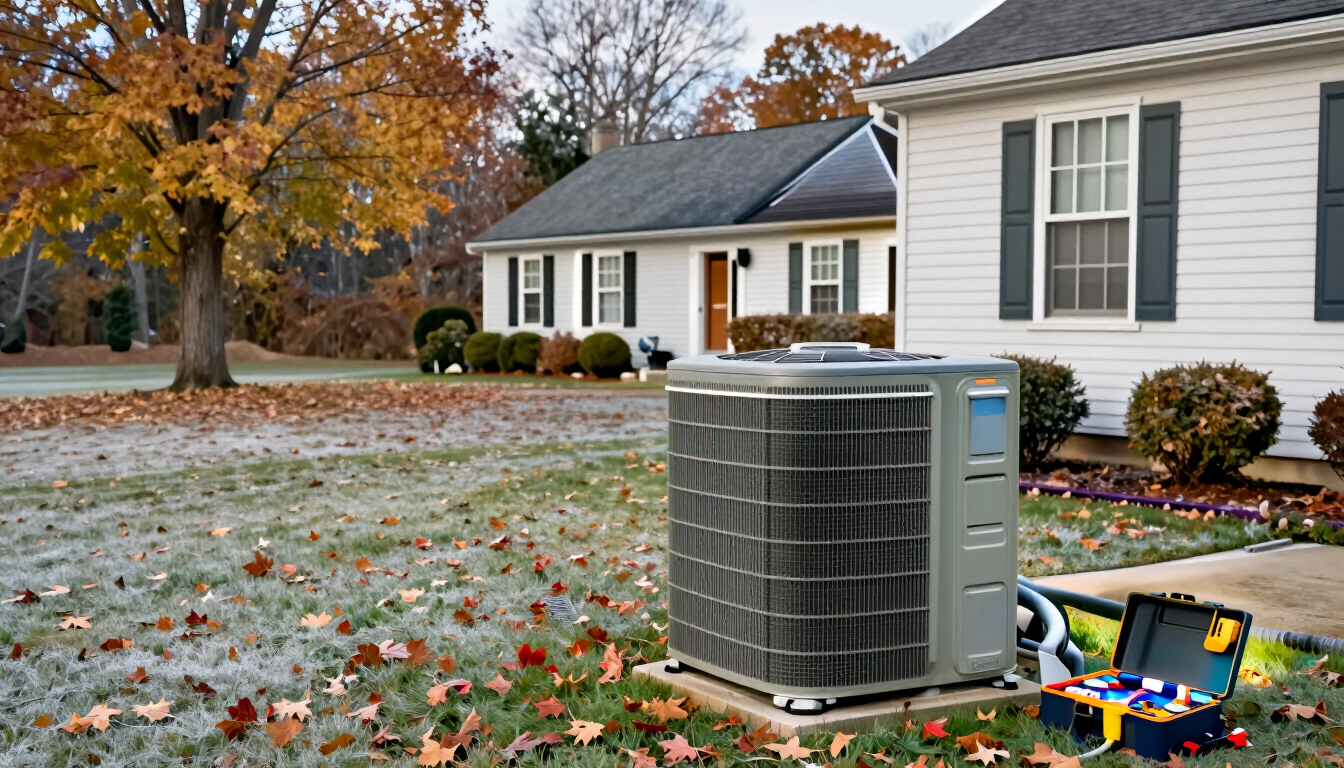
When the sweltering heat of a Virginia summer sets in, you rely on your air conditioner to provide a blast of crisp, refreshing relief. So, if your house suddenly starts feeling warm and sticky, you might head out to inspect your HVAC equipment, only to find something entirely unexpected: a thick layer of solid ice covering your indoor unit or the outdoor copper refrigerant lines.
Seeing a block of ice on a 90-degree afternoon feels like a total paradox. However, a frozen air conditioner is one of the most common—and potentially destructive—issues homeowners face during peak cooling season.
An air conditioner freezing up is a clear sign that the delicate mechanical balance of your system has failed. If you catch it early, the fix can be incredibly simple. If you ignore it and try to force the system to keep running, you risk completely destroying the compressor.
At Air Tech Heating & Cooling, we prioritize rapid diagnostics and honest repairs. Before you panic about a frozen system, here are the four most common reasons ice is building up and exactly what you need to do about it.
1. Severely Restricted Airflow (The Clogged Filter)
Your air conditioner requires a constant, steady volume of warm, unconditioned air blowing across the indoor evaporator coil. The refrigerant inside that coil is incredibly cold, and the warm air from your house prevents it from dropping below the freezing point.
If that airflow is blocked, the condensation that naturally forms on the coil has no heat to keep it liquid, and it rapidly turns into a solid sheet of ice.
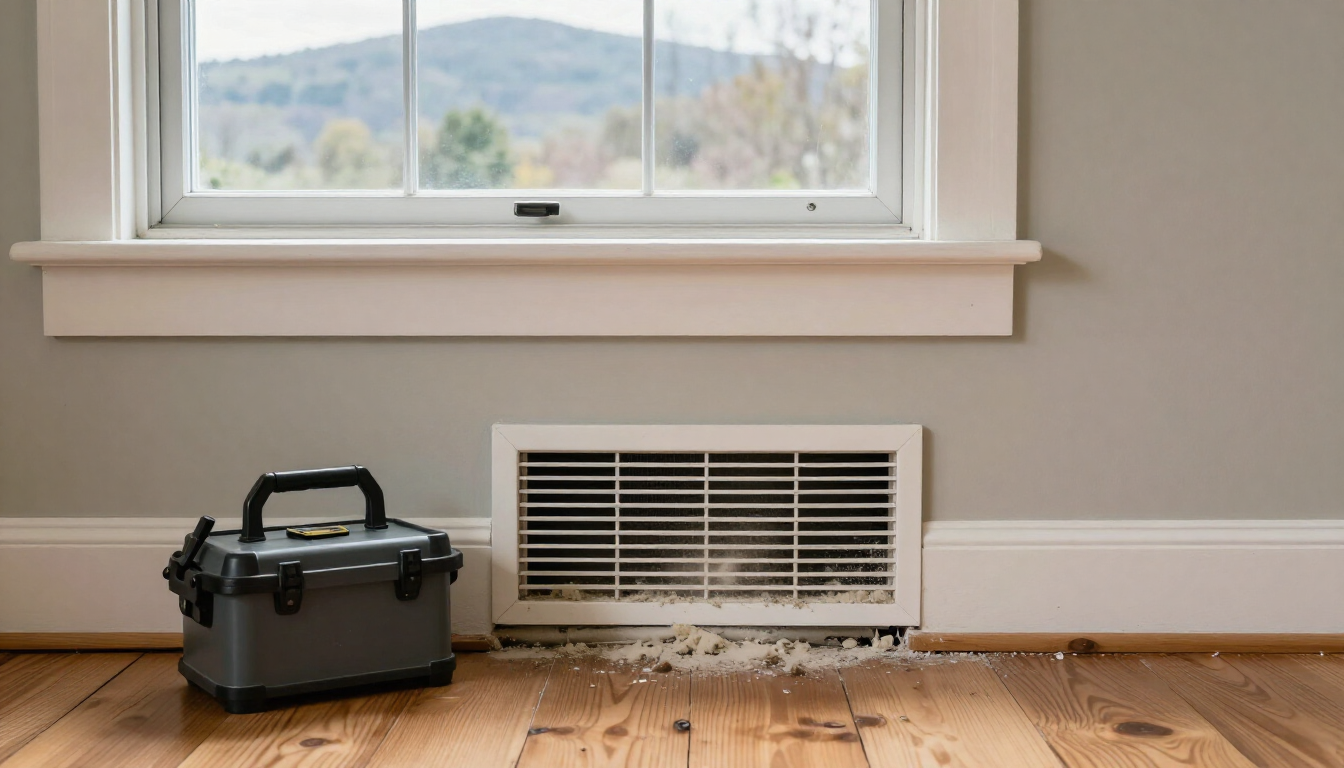
The absolute most common cause of restricted airflow is a completely clogged, filthy air filter. If it has been months since you replaced your filter, a thick blanket of dust and pet hair is suffocating your system. Other causes of restricted airflow include closed air vents in multiple rooms or furniture blocking your main return registers.
2. Low Refrigerant Levels (You Have a Leak)
Refrigerant is the chemical lifeblood of your cooling system. It operates within a closed, pressurized loop. Contrary to popular belief, your AC does not "consume" refrigerant like a car consumes gas. If your refrigerant levels are low, it means you have a microscopic crack or pinhole leak somewhere in the copper lines or the coils.
When the system loses pressure due to a leak, the remaining refrigerant expands too much, causing the temperature of the evaporator coil to plunge below freezing. The ambient humidity in your home then freezes directly onto the freezing metal, eventually creating an ice block.
3. A Thick Layer of Dirt on the Evaporator Coils
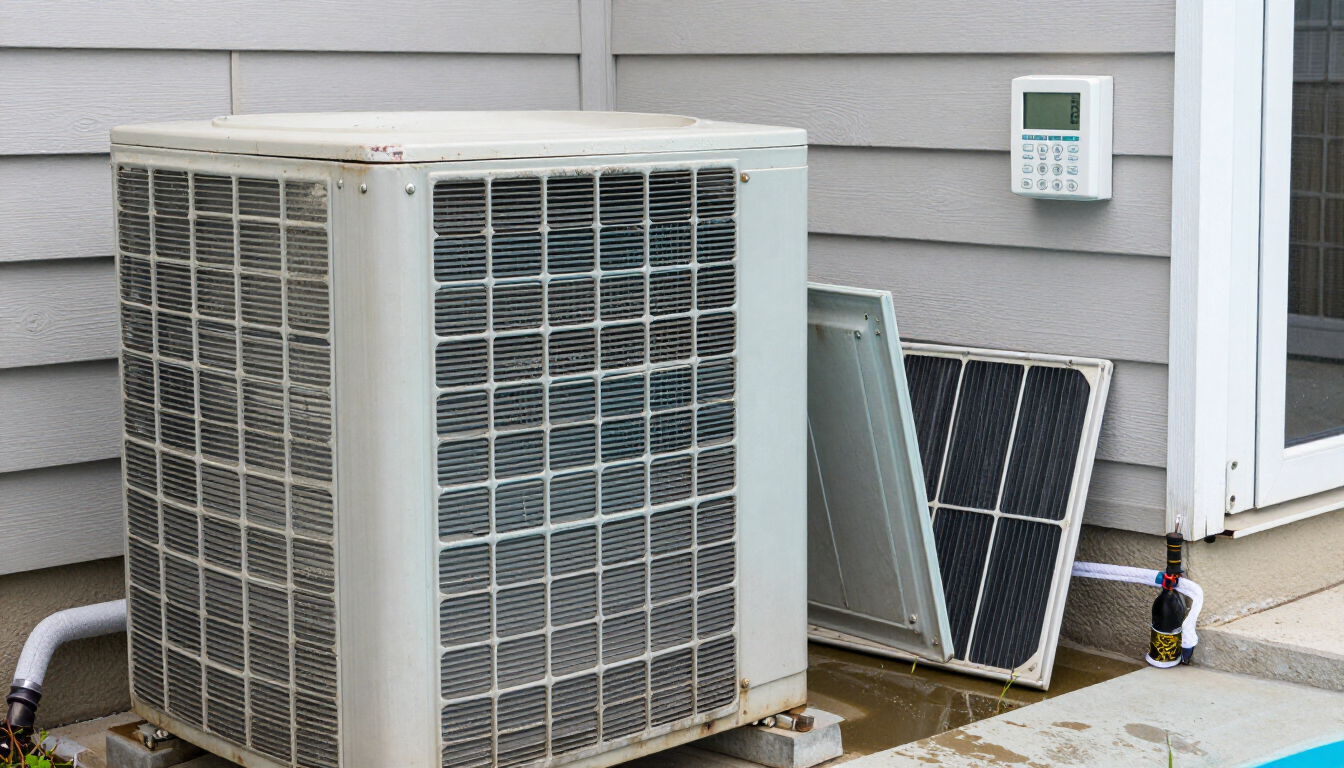
Even if you change your air filter regularly, microscopic dust particles, volatile organic compounds (VOCs), and cooking greases will eventually bypass the filter and settle onto the indoor evaporator coil over the years.
This layer of grime acts as an insulating blanket. It physically prevents the warm air blowing through your ductwork from ever touching the cold metal of the coil. Without that necessary heat transfer, the coil gets colder and colder until it freezes completely solid. This is one of the primary reasons professional, annual HVAC maintenance is so critical for long-term performance.
4. A Failing or Broken Blower Motor
The blower motor is the massive fan responsible for pulling warm air from your house, pushing it across the evaporator coil, and redistributing the chilled air back through your vents.
If the blower motor burns out, or if the fan belt snaps (on older models), the entire air circulation process stops instantly. The compressor outside will continue to pump freezing refrigerant into the indoor coil, but with zero air moving across it, the system will freeze over in a matter of minutes.
What to Do If Your AC Is Frozen
If you discover ice on your system, turn your thermostat OFF immediately.
Do not try to switch the system back to "cool" to see if it fixes itself, and never take a hammer or sharp object to the ice to chip it away (you will easily puncture the delicate refrigerant coils, leading to thousands of dollars in damage).
Instead, switch the thermostat from "Cool" to "Off," and switch the fan setting from "Auto" to "On." This will force the indoor fan to blow warm air over the frozen coil to accelerate the thawing process, which can take anywhere from a few hours to a full day. While it thaws, check and replace your air filter.
If a fresh filter doesn't solve the problem, or if the system immediately freezes up again after thawing, you need a certified HVAC technician.
Call the Cooling Experts at Air Tech Heating & Cooling
Do not spend your summer sweating out a mechanical failure. Whether you are dealing with a frozen coil, a hidden refrigerant leak, or a broken blower motor, you need a team that understands the complex chemistry and mechanics of modern cooling systems.
At Air Tech Heating & Cooling, we deliver honest, fast-response cooling repair to restore the safety and comfort of your home.
We proudly serve families and businesses across the New River Valley, including:
- Christiansburg, VA
- Blacksburg, VA
- Radford, VA
- Riner, VA
- Auburn, VA
- Montgomery County, VA
Don't let a frozen AC unit ruin your summer comfort. Contact Air Tech Heating & Cooling today through our website to schedule your professional system diagnostic and get your cooling restored fast!