The Ultimate Guide to Indoor Air Quality in the New River Valley
Phase 1: Understanding the Invisible Enemies in Your Air
To effectively clean your home's air, you first need to understand exactly what you are fighting. It is not just the yellow dust you can see on your windshield; the most irritating pollutants are completely invisible to the naked eye.
1. Seasonal Pollen and Spores Every time you open your front door, crack a window to let in the spring breeze, or walk inside after mowing the lawn, millions of microscopic pollen grains enter your home. Because these particles are so lightweight, they can remain suspended in your indoor air for hours before settling into your carpets and upholstery.
2. Dust Mites and Pet Dander Even the cleanest homes are filled with dust. A significant portion of household dust is actually composed of dead skin cells, which serve as an all-you-can-eat buffet for microscopic dust mites. These mites produce waste that is a highly potent allergen. Combine that with the dander (skin flakes) shed by your beloved cats and dogs, and you have a potent cocktail of respiratory irritants trapped inside your walls.
3. Volatile Organic Compounds (VOCs) Not all indoor pollution is biological. VOCs are invisible, sometimes odorless gases emitted by everyday household products. The harsh chemical cleaners under your sink, the aerosol air fresheners in your bathroom, your non-stick cookware, and even the off-gassing from new furniture or fresh paint all release VOCs. Prolonged exposure to these chemicals can cause headaches, dizziness, and chronic respiratory irritation.
4. Mold and Mildew Virginia springs are notoriously damp. When moisture levels inside your home creep up, dark, hidden spaces—like your basement, crawlspace, or even the inside of your AC ductwork—become the perfect breeding ground for mold. Mold spores travel easily through your HVAC system, triggering severe allergic reactions and asthma attacks.
Phase 2: Your HVAC System—Friend or Foe?
Your heating and cooling system acts as the respiratory system of your house. It pulls air in through the return vents, conditions it, and pushes it back out through the supply vents.
If your indoor air is filled with pollutants, your HVAC system will blindly circulate those irritants through every single room in the house, up to five or six times an hour.
The Flaw of the Standard 1-Inch Filter Most homeowners believe that the standard, 1-inch fiberglass filter located at their return vent is there to purify the air they breathe. This is a massive misconception. Those cheap, translucent filters are designed for one purpose only: to protect the heavy machinery of your blower motor from massive debris, like hair and large dust bunnies. They are completely porous and allow microscopic pollen, bacteria, and dander to pass right through the fiberglass mesh and blow directly into your living room.
Relying on a 1-inch filter to fix your spring allergies is like trying to catch a grain of sand with a tennis net.
Phase 3: Upgrading Your Arsenal with Professional Air Filtration
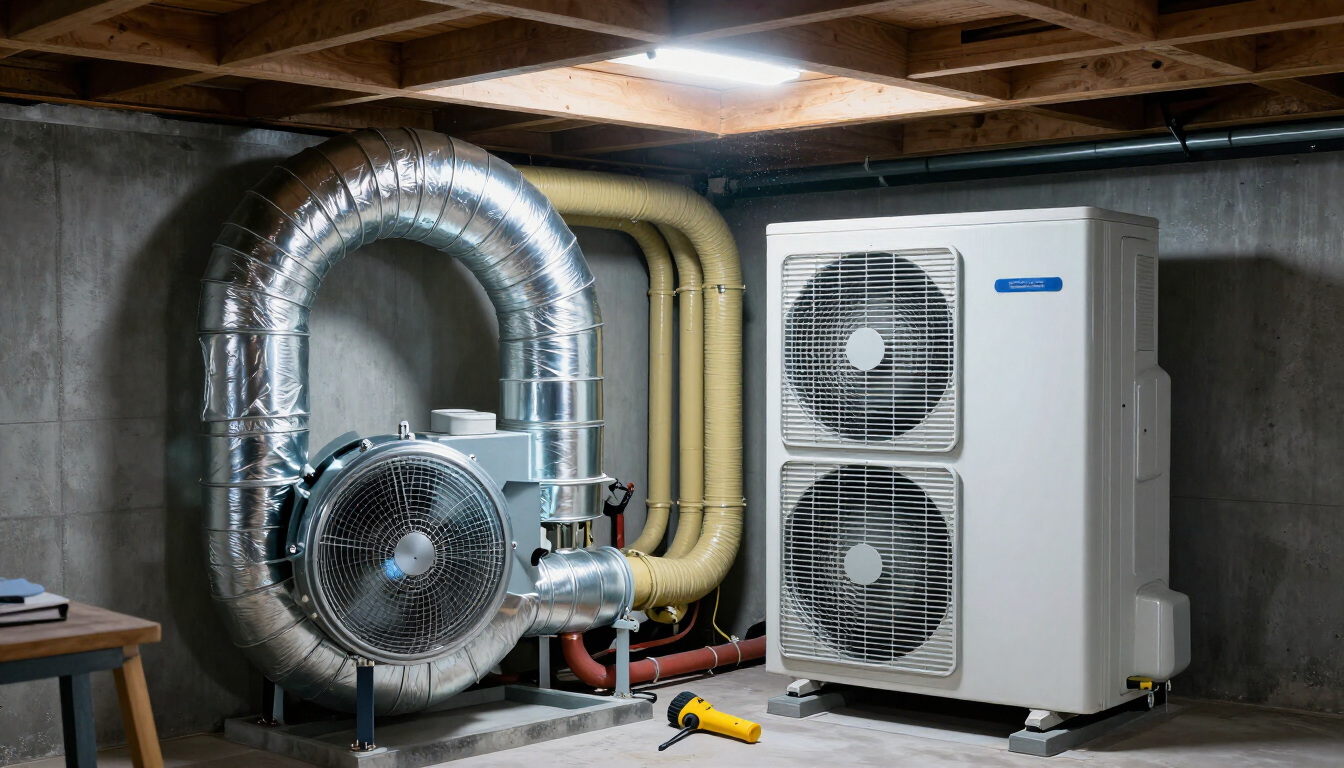
If you want to actively remove microscopic allergens from your home, you need to upgrade your HVAC system's filtration capabilities. At Air Tech Heating & Cooling, we specialize in installing high-tech, whole-home air filtration units that integrate seamlessly into your existing ductwork.
Understanding MERV Ratings Filters are graded on a scale called the Minimum Efficiency Reporting Value (MERV). The higher the MERV rating, the tighter the filter's weave, and the smaller the particles it can trap.
- Standard 1-inch filters usually have a MERV rating of 1 to 4.
- Upgraded pleated filters range from MERV 5 to 8 and offer better protection.
- Whole-home media cabinets utilize massive, 4-to-5-inch thick filters with MERV ratings between 11 and 16.
The Power of Whole-Home Air Filtration Unlike a small, portable room purifier that you buy at a big-box store, a whole-home air filtration unit is installed directly into the central ductwork, usually right next to your furnace or air handler. Because the filter is incredibly thick and has a massive surface area (folded like an accordion), it can trap up to 99% of airborne contaminants—including pollen, pet dander, mold spores, and even certain viruses—without restricting the necessary airflow to your equipment.
Even better, these heavy-duty media filters only need to be replaced every 6 to 12 months, taking the monthly chore of swapping out cheap filters completely off your to-do list.
Phase 4: The Crucial Humidity Balancing Act
Filtration is only half of the indoor air quality equation. The other half is humidity control. The amount of moisture in your air drastically impacts the survival rate of indoor pollutants.
The Danger of High Humidity During the late spring and summer, the New River Valley gets incredibly humid. If the relative humidity inside your home climbs above 50%, it creates a tropical paradise for allergens. Dust mites multiply exponentially in high humidity, and mold spores begin to colonize rapidly on organic surfaces like wood and drywall.
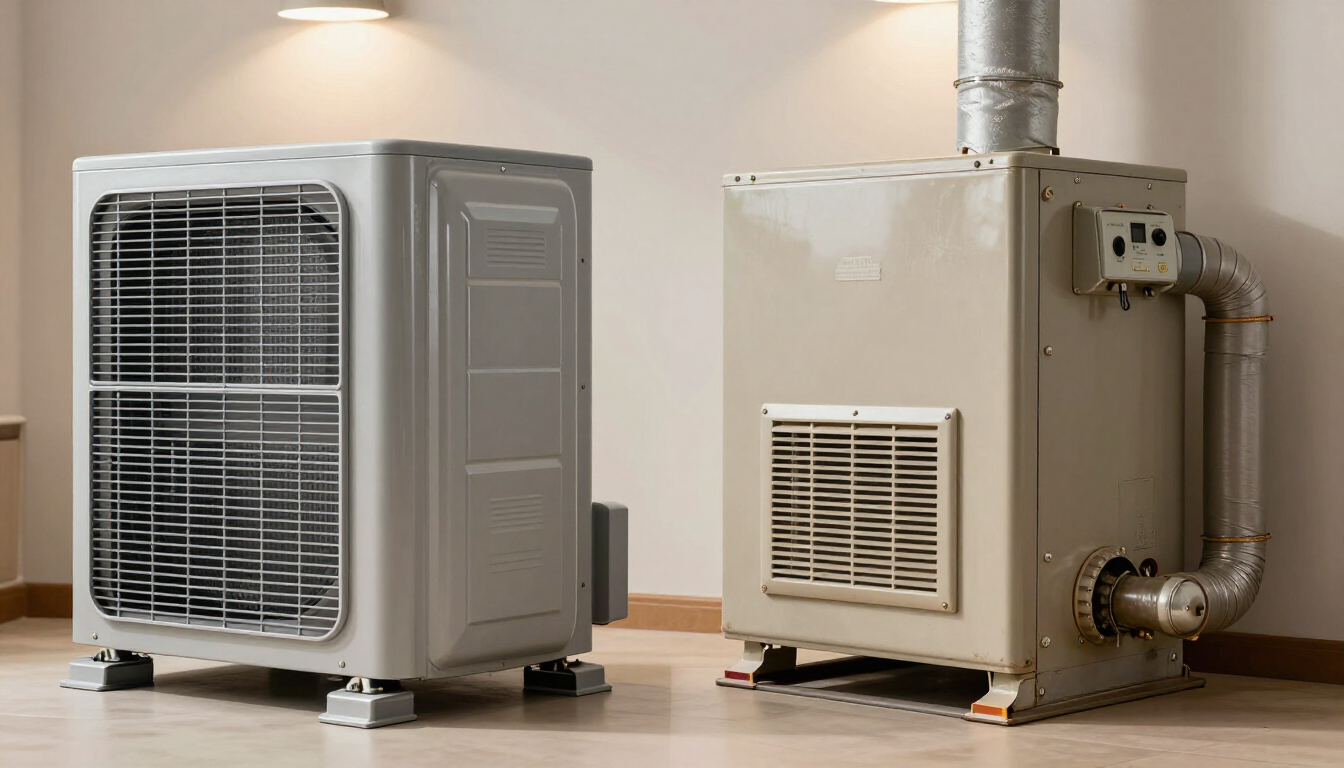
While your air conditioner naturally removes some humidity as it cools the air, it often isn't enough during the muggy Virginia summers. Integrating a Whole-Home Dehumidifier with your HVAC system pulls excess moisture out of the air before it circulates, keeping your home crisp, cool, and hostile to mold and mites.
The Danger of Low Humidity Conversely, when you run your furnace during the winter and early spring, the air inside your home becomes bone-dry. When humidity drops below 30%, your nasal passages and throat dry out, disabling your body's natural defense mechanisms against airborne viruses. Dry air also causes wood furniture to crack and creates painful static electricity. Installing a Whole-Home Humidifier adds vital, controlled moisture back into your winter air, keeping your respiratory system hydrated and healthy.
The golden rule of indoor air quality is maintaining a perfectly balanced relative humidity of around 40% to 50% year-round.
Phase 5: Daily Habits to Support Your HVAC System
While professional air filtration and humidity control are the heavy lifters, you can support your system with a few smart, daily habits during peak allergy season:
- Keep the Windows Closed: It is incredibly tempting to open the windows on a beautiful 70-degree spring day. Unfortunately, doing so invites millions of pollen spores directly into your home. Rely on your AC to keep you cool and your mechanical ventilation to bring in filtered fresh air.
- Strategic Vacuuming: Vacuum your carpets and rugs at least twice a week using a vacuum equipped with a True HEPA filter. Standard vacuums often exhaust microscopic dust right back into the air.
- Groom Pets Regularly: Brush your dogs and cats outside to minimize the amount of dander and outdoor pollen they shed inside your living spaces.
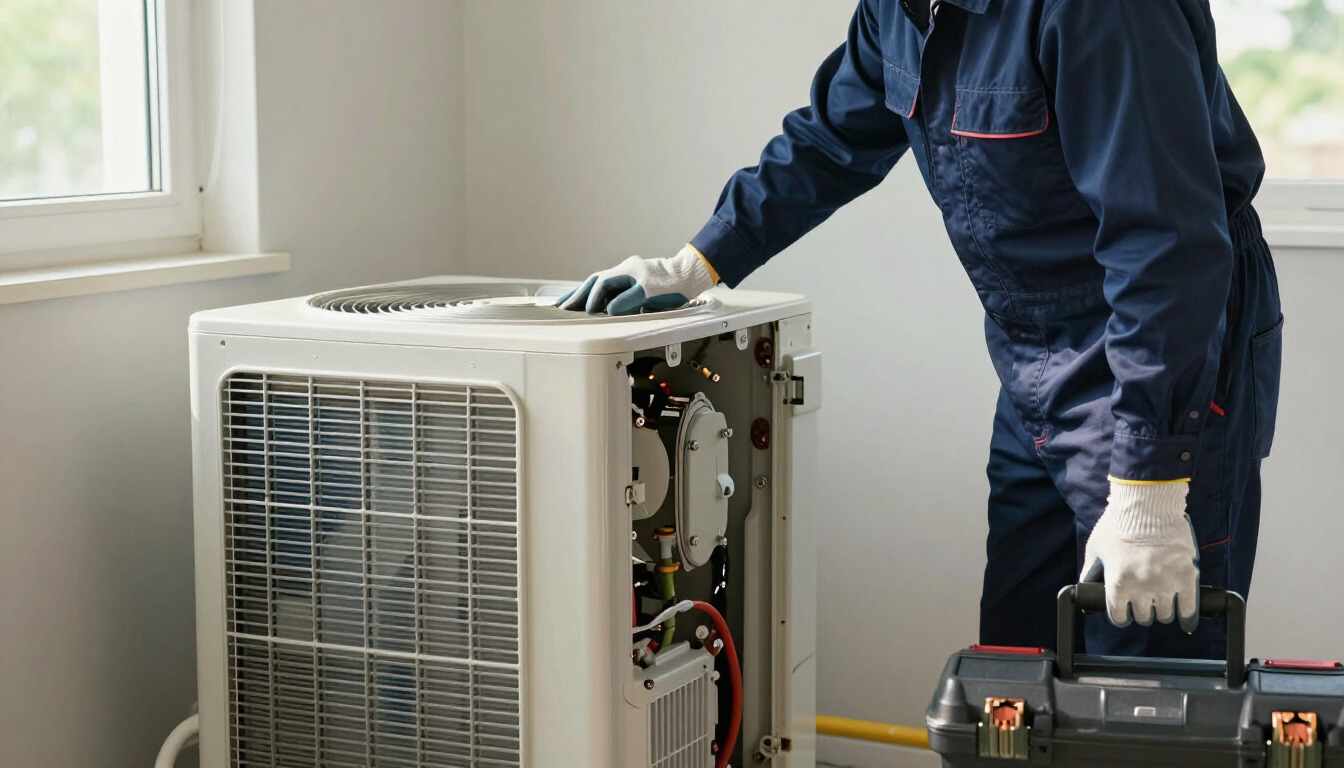
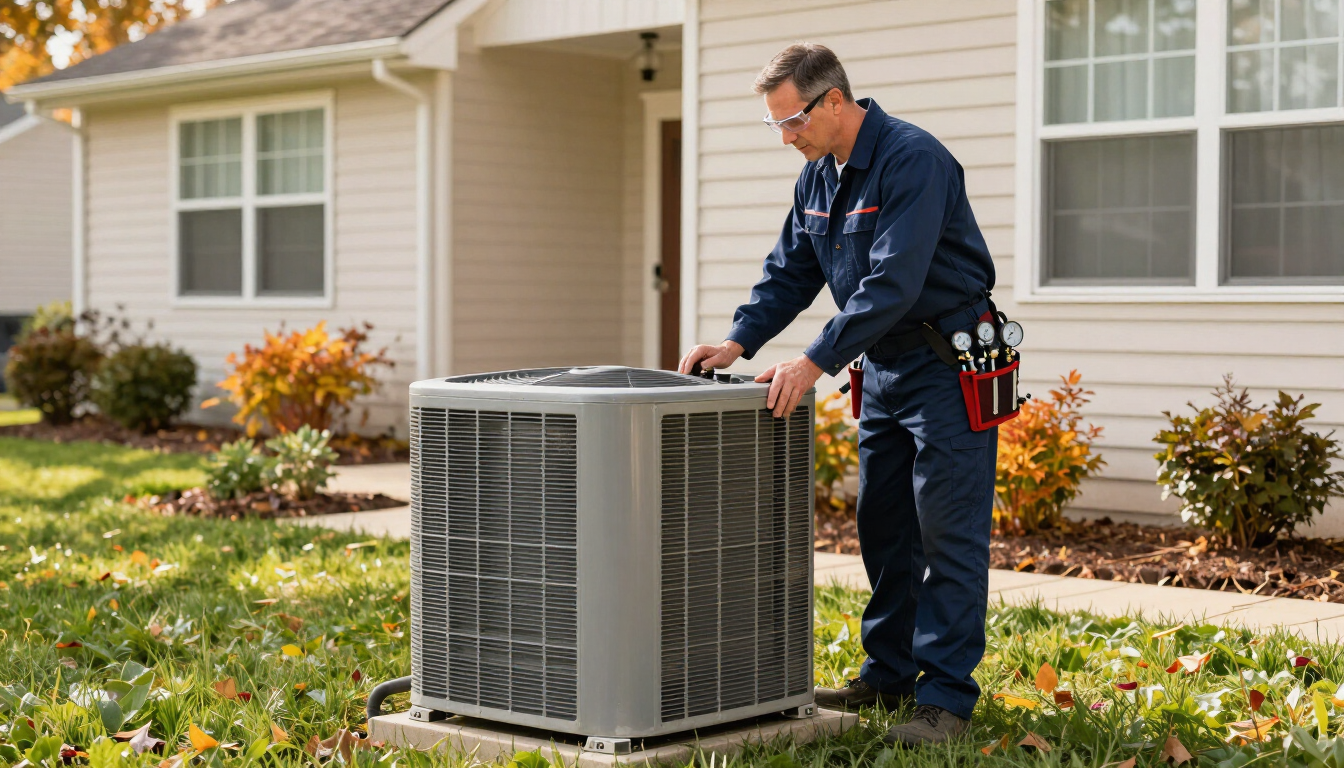
- Schedule Your Spring AC Tune-Up: A dirty, neglected air conditioner cannot clean your air. Our professional spring maintenance service includes deep-cleaning the indoor evaporator coil and flushing the condensate drain line, ensuring that mold and mildew aren't growing inside your equipment.
Breathe Easier This Spring with Air Tech
You shouldn't have to rely on a constant stream of allergy pills and nasal sprays just to feel comfortable inside your own house. By taking a proactive approach to your home’s indoor air quality, you can create a truly healthy, restorative environment for your entire family.
For over a decade and a half, Air Tech Heating & Cooling has been the trusted partner for homeowners in Christiansburg, Blacksburg, Radford, and the surrounding areas. We pride ourselves on providing honest assessments, exceptional craftsmanship, and our Best Price Guarantee. We will never push you to buy expensive "add-ons" you don't need; we simply provide the exact solutions required to solve your home's unique challenges.
Are you ready to stop sneezing and start breathing pure, clean air? Contact
Air Tech Heating & Cooling today at
(540) 251-3131 or reach out through our website to request your free, no-obligation estimate on our whole-home air filtration and humidity control systems. Let our family help protect yours this allergy season!