How Air Quality Impacts Your Home and Health: The Role of HVAC Systems

October 17, 2024

When it comes to keeping your home comfortable, most people think of their heating and cooling system. But did you know your HVAC system plays a critical role in maintaining your home’s indoor air quality (IAQ) as well? Poor air quality can have a significant impact on your health, especially if you or your family members suffer from allergies, asthma, or respiratory conditions.


In this blog, we’ll dive into the connection between HVAC systems and indoor air quality, why it’s important to have proper air filtration, and how maintaining your HVAC system can improve both the air you breathe and your overall comfort.


What is Indoor Air Quality (IAQ) and Why Does It Matter?


Indoor air quality refers to the condition of the air inside your home or business. Many factors can contribute to poor IAQ, including dust, pollen, pet dander, mold, and even chemicals from household products. Without proper ventilation and filtration, these contaminants can build up in your indoor environment, leading to a host of health issues.


Poor indoor air quality can lead to:

  • Respiratory problems: Asthma, bronchitis, and other breathing difficulties can be triggered or worsened by exposure to allergens and pollutants.
  • Allergy flare-ups: Dust mites, pollen, and pet dander are common indoor allergens that can worsen allergy symptoms.
  • Fatigue and headaches: Exposure to pollutants, such as volatile organic compounds (VOCs), can cause fatigue, headaches, and other uncomfortable symptoms.
  • Long-term health effects: Prolonged exposure to poor air quality can lead to more serious health issues over time, including respiratory infections and even cardiovascular disease.


For homes and businesses in the New River Valley, ensuring good indoor air quality is critical. With proper HVAC maintenance, filtration, and ventilation, you can drastically reduce the amount of harmful contaminants circulating in your air.


How Your HVAC System Affects Indoor Air Quality


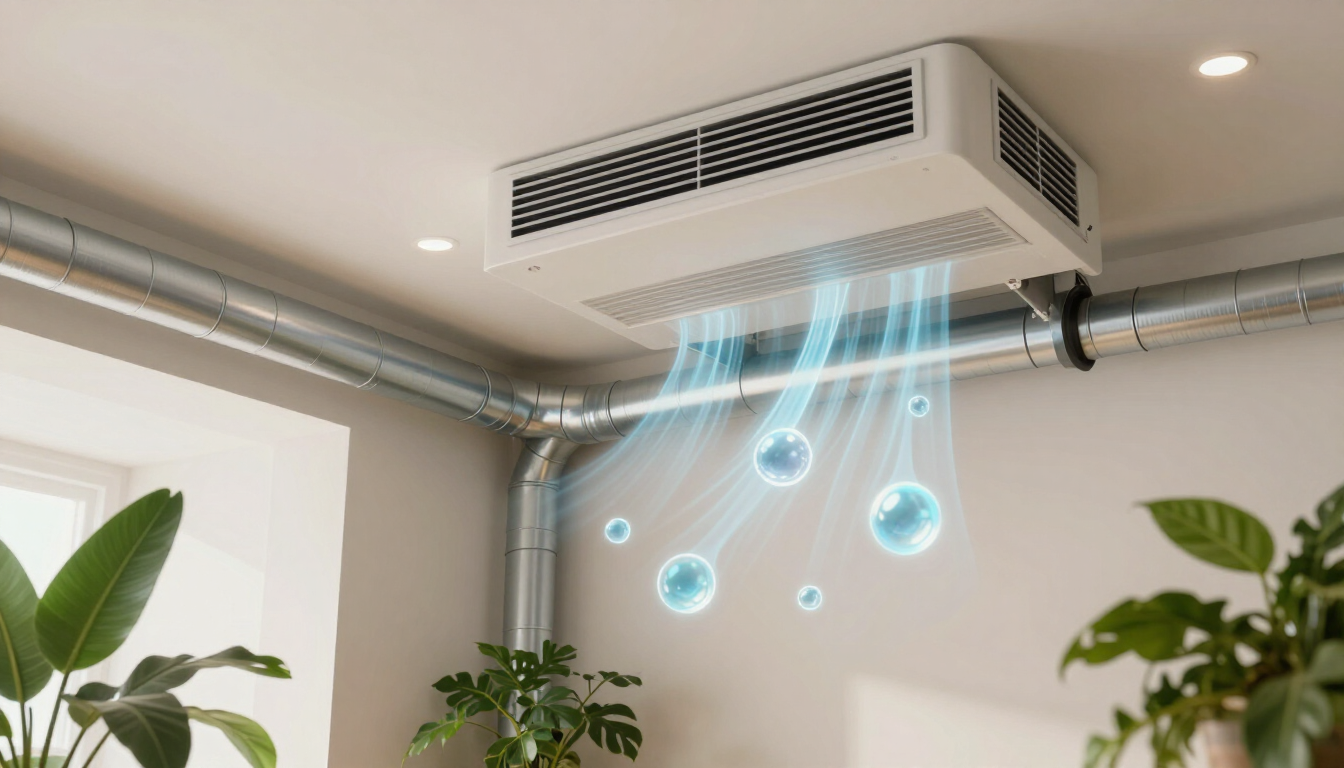
Your HVAC system does more than just regulate the temperature inside your home or business. It also helps control the air quality by circulating air, filtering out harmful particles, and maintaining proper ventilation.


Here’s how your HVAC system influences your IAQ:


1. Air Filtration

One of the primary ways your HVAC system improves air quality is through air filtration. The air that passes through your heating and cooling systems is filtered to remove dust, pollen, pet dander, and other airborne particles. This process helps keep your home’s air clean, reducing the likelihood of allergens and pollutants affecting your health.


To maintain good air quality, it’s crucial to have high-quality filters that are regularly cleaned or replaced. The professionals at Air Tech Heating & Cooling can help you choose the right filters for your system, ensuring they effectively trap harmful particles without restricting airflow.


2. Ventilation

Good ventilation is essential for removing stale, polluted air from your indoor environment and replacing it with fresh, clean air. Without proper ventilation, your home can become a breeding ground for mold, mildew, and airborne toxins.


Your HVAC system plays a critical role in ventilating your home, particularly when it includes a fresh air intake system. This ensures that outdoor air is brought into your home, helping to dilute indoor pollutants and reduce humidity levels.


3. Humidity Control

Maintaining the right humidity levels is essential for both comfort and health. When humidity is too high, it creates the perfect environment for mold and dust mites to thrive, which can negatively affect air quality. On the other hand, air that’s too dry can irritate your respiratory system and cause discomfort.

Most modern HVAC systems are designed to regulate humidity levels by controlling both heating and cooling. By maintaining a balanced humidity level (typically between 30-50%), your system can improve air quality and make your living environment more comfortable.


Signs Your Indoor Air Quality is Poor


It’s not always easy to tell when the air quality in your home or business has declined. However, there are some key signs to watch for:


  • Frequent allergy symptoms: If you or your family members experience persistent sneezing, coughing, or watery eyes indoors, it could be due to allergens circulating in your HVAC system.


  • Increased dust accumulation: If you notice more dust on surfaces or your HVAC system's air vents, it may be a sign that your filters are clogged, or your air isn’t being properly cleaned.


  • Musty odors: A musty or damp smell could indicate mold growth in your ducts or on your HVAC system’s components, both of which can contribute to poor air quality.


  • High humidity or condensation: If you’re noticing excessive moisture or condensation on windows or walls, your HVAC system may not be effectively controlling humidity, leading to poor IAQ.


If you experience any of these signs, it’s time to schedule an HVAC inspection and cleaning with Air Tech Heating & Cooling. Our team can assess your system’s performance and recommend the best solutions to improve your indoor air quality.


How Air Tech Heating & Cooling Can Help Improve Your IAQ


At Air Tech Heating & Cooling, we specialize in keeping your HVAC system running smoothly while helping you maintain excellent indoor air quality. Here’s how our services can benefit your home or business:


1. Air Filtration System Installation and Maintenance

Not all air filters are created equal. Our experts can recommend and install high-efficiency air filters designed to trap even the smallest particles, such as pollen, bacteria, and pet dander. We also offer regular filter cleaning and replacement services to ensure your system continues to perform at its best.


For those looking for even greater filtration, we can install whole-home air filtration systems that integrate with your HVAC unit to remove contaminants from every room.


2. Duct Cleaning and Sealing

Over time, dust, mold, and other debris can accumulate in your ductwork, restricting airflow and circulating pollutants throughout your home. Air Tech Heating & Cooling offers professional duct cleaning services to remove these contaminants and improve your HVAC system’s efficiency.


In addition, we offer duct sealing services to eliminate any leaks in your ductwork. Sealing leaks ensures that air is properly circulated through your home, rather than escaping through gaps, which can contribute to poor air quality and higher energy bills.


3. Humidity Control Solutions

For homes experiencing issues with high or low humidity, we provide dehumidifier and humidifier installations to help regulate indoor moisture levels. These systems work in conjunction with your HVAC unit to maintain the perfect humidity balance, reducing the likelihood of mold growth or respiratory discomfort.


4. Regular HVAC Maintenance

The best way to ensure your HVAC system supports good air quality is through regular maintenance. At Air Tech Heating & Cooling, we offer comprehensive maintenance plans that include system inspections, cleaning, filter replacements, and performance checks. This helps keep your system running efficiently while preventing dust, mold, and other contaminants from circulating in your air.


Conclusion: Breathe Easier with Air Tech Heating & Cooling


Your HVAC system does more than just keep you comfortable—it’s a key player in maintaining healthy indoor air quality. With the right air filtration, ventilation, and humidity control, you can create a cleaner, healthier environment for you and your family.


For the best HVAC maintenance, air filtration, and system optimization services in the New River Valley, trust Air Tech Heating & Cooling. Contact us today to schedule an air quality assessment or maintenance service and start breathing easier.


Phone: (540) 251-3131
Email: service@airtechnrv.com
Address: 421 Roanoke St, Christiansburg, VA 24073, USA
June 22, 2026
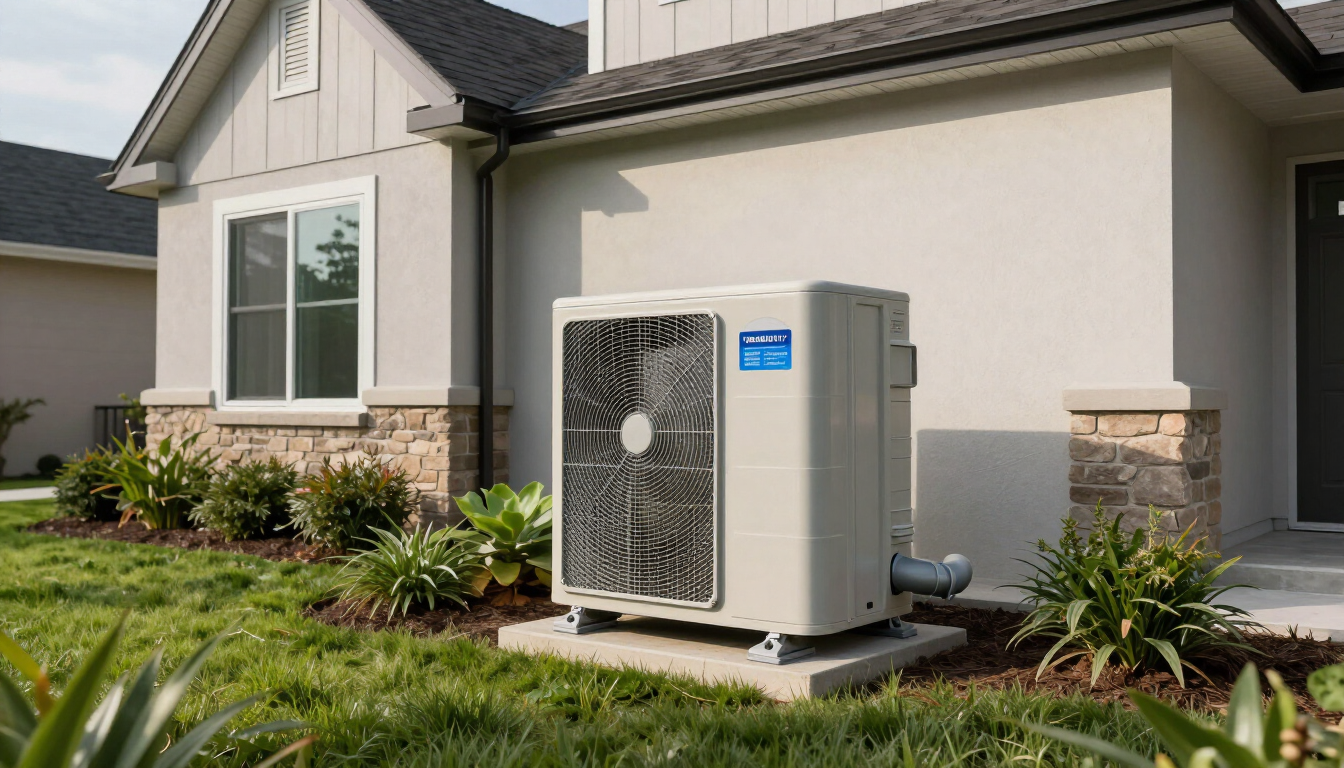
June has arrived in the New River Valley, and with it comes the intense heat and heavy humidity that define a classic Virginia summer. During these sweltering months, your air conditioning system is the ultimate sanctuary. There is nothing quite like walking through your front door into a perfectly chilled home after a long, hot day at work. Conversely, there are few things more frustrating than turning on your air conditioning unit, hearing the system kick into gear, feeling a breeze coming from the vents, and realizing that the air blowing out is completely warm. When an air conditioner blows warm air, it completely defeats the purpose of having the system. It drives up your energy bills, leaves your family sweating, and often signals that your system is under severe mechanical stress. At Air Tech Heating & Cooling , we receive countless emergency calls for this exact issue every single summer. Before you panic and assume you need a total system replacement, it is important to understand that the fix could range from a simple homeowner adjustment to a complex mechanical repair. If your AC is acting more like a heater this week, here are the five most common culprits and what you should do to fix them. 1. The Thermostat is Set Incorrectly It sounds almost too simple to be true, but a staggering number of HVAC service calls are resolved by simply adjusting the thermostat settings. Before you call a professional, take a close look at your thermostat’s display panel. First, ensure that the system is actually set to "Cool" and that the temperature is set below the current room temperature. If a family member accidentally bumped the dial or switched it to "Heat," the system will blow warm air. More importantly, check the "Fan" setting. If your fan is set to "On," the blower motor will run continuously 24 hours a day, regardless of whether the compressor outside is actually actively cooling the air. This means that between cooling cycles, your vents will simply circulate room-temperature, unconditioned air throughout the house, which feels surprisingly warm. Switch the fan setting to "Auto" so that it only blows air when the cooling cycle is actively running. 2. A Severely Clogged Air Filter Your air conditioner requires a massive, continuous volume of air to function correctly. The system pulls warm air from your home through the return vents, passes it over the chilled evaporator coils to remove the heat, and blows the conditioned air back into your rooms. The air filter sits directly in this airflow path to catch dust, pollen, and pet dander. If you have neglected to change your filter for several months, it becomes completely saturated and forms a solid wall of debris. This restricts the airflow entirely. When the system is starved of air, the heat exchange process fails. The compressor will work twice as hard, but without sufficient airflow to carry the cooled air into your home, the air trickling out of your vents will feel warm and weak. We highly recommend checking your filter every 30 days during the peak NRV cooling season. 3. Frozen Evaporator Coils It seems completely counterintuitive, but one of the primary reasons an air conditioner blows warm air is because the internal components are actually too cold. Your indoor unit houses the evaporator coil, which contains the ultra-cold refrigerant. If your system suffers from poor airflow (due to the clogged filter mentioned above, or blocked return vents), the warm air from your home cannot reach the coil to keep it at the proper operating temperature. The condensation on the coil will rapidly freeze, turning the component into a solid block of ice. Once encased in ice, the refrigerant can no longer absorb heat from your home's air. The system will continue to blow air over the ice block, but it will come out of your vents feeling warm and humid. If you suspect your coils are frozen, turn the AC off immediately—running a frozen system will destroy your compressor. Turn the fan to "On" to help thaw the ice, and call a professional to diagnose the root cause. 4. Low Refrigerant and Chemical Leaks Refrigerant (often referred to by the brand name Freon, or modern variants like R-410A) is the chemical lifeblood of your air conditioning system. It cycles between a liquid and a gas, absorbing heat from inside your home and releasing it outside. It is a major misconception that air conditioners "consume" refrigerant like a car consumes gas. The refrigerant line is a completely closed loop. If your system is low on refrigerant, it means you have a chemical leak somewhere in the copper lines or the coils. When refrigerant levels drop, the system loses its ability to absorb heat, resulting in warm air blowing from your registers. You might also hear a faint hissing or bubbling sound near your indoor unit. Refrigerant leaks require immediate professional repair to seal the breach and properly recharge the system to manufacturer specifications. 5. Dirty and Suffocated Condenser Coils Take a walk outside and look at your outdoor compressor unit. Its job is to take the heat absorbed from your home and dissipate it into the outdoor air. It does this through a series of metal fins called the condenser coil. Because this unit sits outside all year round, it is exposed to the elements. If the condenser coil is caked in thick mud, lawn clippings, cottonwood seeds, or heavy pollen, that debris acts like a thick, insulating blanket. The system cannot release the heat, causing the compressor to overheat. When the heat cannot escape outside, the system cannot blow cold air inside. Ensure you maintain at least two feet of clear space around your outdoor unit, and have a professional deep-clean the coils during your annual preventative maintenance visit. Fast, Reliable Repairs with Air Tech Heating & Cooling An air conditioner that is blowing warm air is not just a comfort issue; it is a clear warning sign that your system is struggling. Ignoring the problem and forcing the system to run will inevitably lead to a catastrophic, highly expensive compressor failure. At Air Tech Heating & Cooling , we have been diagnosing and repairing complex air conditioning issues for residential and commercial customers for over 15 years. Our certified technicians have the experience to quickly identify the exact cause of your warm air and implement a lasting, affordable solution. With our low-price guarantee, you can have complete peace of mind knowing that you are getting the absolute best value in the region. We proudly service all major HVAC brands across the New River Valley, including: Christiansburg, VA Blacksburg, VA Radford, VA Riner, VA Do not suffer through another sweltering afternoon in a hot house. If your AC is failing to keep you cool, contact Air Tech Heating & Cooling today via our website or give us a call to schedule your rapid repair or request a free estimate on a high-efficiency system replacement!
June 15, 2026
The body content of your post goes here. To edit this text, click on it and delete this default text and start typing your own or paste your own from a different source.
June 8, 2026
When the sweltering heat of a Virginia summer sets in, you rely on your air conditioner to provide a blast of crisp, refreshing relief. So, if your house suddenly starts feeling warm and sticky, you might head out to inspect your HVAC equipment, only to find something entirely unexpected: a thick layer of solid ice covering your indoor unit or the outdoor copper refrigerant lines. Seeing a block of ice on a 90-degree afternoon feels like a total paradox. However, a frozen air conditioner is one of the most common—and potentially destructive—issues homeowners face during peak cooling season. An air conditioner freezing up is a clear sign that the delicate mechanical balance of your system has failed. If you catch it early, the fix can be incredibly simple. If you ignore it and try to force the system to keep running, you risk completely destroying the compressor. At Air Tech Heating & Cooling , we prioritize rapid diagnostics and honest repairs. Before you panic about a frozen system, here are the four most common reasons ice is building up and exactly what you need to do about it. 1. Severely Restricted Airflow (The Clogged Filter) Your air conditioner requires a constant, steady volume of warm, unconditioned air blowing across the indoor evaporator coil. The refrigerant inside that coil is incredibly cold, and the warm air from your house prevents it from dropping below the freezing point. If that airflow is blocked, the condensation that naturally forms on the coil has no heat to keep it liquid, and it rapidly turns into a solid sheet of ice. The absolute most common cause of restricted airflow is a completely clogged, filthy air filter. If it has been months since you replaced your filter, a thick blanket of dust and pet hair is suffocating your system. Other causes of restricted airflow include closed air vents in multiple rooms or furniture blocking your main return registers. 2. Low Refrigerant Levels (You Have a Leak) Refrigerant is the chemical lifeblood of your cooling system. It operates within a closed, pressurized loop. Contrary to popular belief, your AC does not "consume" refrigerant like a car consumes gas. If your refrigerant levels are low, it means you have a microscopic crack or pinhole leak somewhere in the copper lines or the coils. When the system loses pressure due to a leak, the remaining refrigerant expands too much, causing the temperature of the evaporator coil to plunge below freezing. The ambient humidity in your home then freezes directly onto the freezing metal, eventually creating an ice block. 3. A Thick Layer of Dirt on the Evaporator Coils Even if you change your air filter regularly, microscopic dust particles, volatile organic compounds (VOCs), and cooking greases will eventually bypass the filter and settle onto the indoor evaporator coil over the years. This layer of grime acts as an insulating blanket. It physically prevents the warm air blowing through your ductwork from ever touching the cold metal of the coil. Without that necessary heat transfer, the coil gets colder and colder until it freezes completely solid. This is one of the primary reasons professional, annual HVAC maintenance is so critical for long-term performance. 4. A Failing or Broken Blower Motor The blower motor is the massive fan responsible for pulling warm air from your house, pushing it across the evaporator coil, and redistributing the chilled air back through your vents. If the blower motor burns out, or if the fan belt snaps (on older models), the entire air circulation process stops instantly. The compressor outside will continue to pump freezing refrigerant into the indoor coil, but with zero air moving across it, the system will freeze over in a matter of minutes. What to Do If Your AC Is Frozen If you discover ice on your system, turn your thermostat OFF immediately. Do not try to switch the system back to "cool" to see if it fixes itself, and never take a hammer or sharp object to the ice to chip it away (you will easily puncture the delicate refrigerant coils, leading to thousands of dollars in damage). Instead, switch the thermostat from "Cool" to "Off," and switch the fan setting from "Auto" to "On." This will force the indoor fan to blow warm air over the frozen coil to accelerate the thawing process, which can take anywhere from a few hours to a full day. While it thaws, check and replace your air filter. If a fresh filter doesn't solve the problem, or if the system immediately freezes up again after thawing, you need a certified HVAC technician. Call the Cooling Experts at Air Tech Heating & Cooling Do not spend your summer sweating out a mechanical failure. Whether you are dealing with a frozen coil, a hidden refrigerant leak, or a broken blower motor, you need a team that understands the complex chemistry and mechanics of modern cooling systems. At Air Tech Heating & Cooling , we deliver honest, fast-response cooling repair to restore the safety and comfort of your home. We proudly serve families and businesses across the New River Valley, including: Christiansburg, VA Blacksburg, VA Radford, VA Riner, VA Auburn, VA Montgomery County, VA  Don't let a frozen AC unit ruin your summer comfort. Contact Air Tech Heating & Cooling today through our website to schedule your professional system diagnostic and get your cooling restored fast!
June 1, 2026
There is nothing quite as frustrating as walking into your home on a humid summer afternoon, expecting a blast of crisp, cool air, only to find your vents blowing out warm, lukewarm air instead. As the indoor temperature starts to creep upward, your immediate reaction might be to panic and assume your entire HVAC system has suffered a catastrophic failure. While a broken compressor or a major component failure is always a possibility, an air conditioner blowing warm air can often be traced back to surprisingly simple, overlooked issues. Before you pick up the phone to schedule an emergency service call, it is smart to run through a few basic checks. Here are four common reasons your AC might be acting like a heater and how to troubleshoot them yourself. 1. Check the Thermostat Settings (The Fan Switch) It sounds incredibly basic, but thermostat mishaps happen more often than you think—especially in households with multiple people adjusting the climate. First, ensure your thermostat didn't accidentally get switched from "Cool" to "Heat." Second, look closely at your fan setting. If your fan is set to ON , the blower motor will run continuously 24/7, even when the actual cooling system is taking a break. When the AC cycles off, the fan will simply push unconditioned, room-temperature air through your house, making the vents feel warm. The Fix: Switch your thermostat fan setting from ON to AUTO . This ensures the fan only blows air when the system is actively cooling. 2. Inspect Your Air Filter for Suffocation When was the last time you changed your home's air filter? If you have to pause and think about it, it has been too long. A heavily clogged, dusty air filter blocks the necessary airflow moving through your HVAC system. When your system is suffocated, the indoor evaporator coils can easily drop below freezing, turning into a solid block of ice. Once the coils freeze over, they act as an insulating barrier, completely blocking the cooling process and causing your vents to blow warm air. The Fix: Turn your system completely off to allow any potential ice to melt, and replace the dirty filter with a fresh one. 3. Take a Look at the Outdoor Condenser Unit Your air conditioning system relies on a continuous loop of heat transfer. The indoor unit absorbs the heat from your home, and the outdoor unit dissipates that heat into the outside air. If your outdoor unit is completely buried under overgrown weeds, grass clippings, or fallen leaves, it cannot breathe. The trapped heat has nowhere to go, causing the system to overheat and fail to drop the temperature of your indoor air. Furthermore, check your main electrical panel to ensure the outdoor unit's circuit breaker hasn't tripped; a tripped breaker can leave your indoor fan running while the outdoor compressor is completely powerless. The Fix: Clear at least two feet of open space around your outdoor condenser unit and hose off any visible dirt or debris from the metal fins. 4. Watch for a Refrigerant Leak Refrigerant is the lifeblood of your cooling system. Your AC doesn't actively "create" cold air; it uses refrigerant to absorb and carry heat out of your home. If your system has a microscopic crack or pinhole leak, the refrigerant level will drop. Without the proper pressure, the unit loses its ability to cool the air moving across the coils. If you hear a faint hissing or bubbling sound near your indoor or outdoor unit, or if you notice ice forming along the copper refrigerant lines, you are likely dealing with a leak. The Fix: Refrigerant lines operate under intense chemical pressure and require a certified technician to safely locate, repair, and recharge the system. When to Bring in the Experts If you have verified your thermostat settings, cleared your outdoor unit, and put in a fresh air filter, but your home is still heating up, it is time to bring in professional diagnostics. Trying to force an uncooperative system to run can cause a minor, inexpensive repair to snowball into an entire system replacement. At Air Tech Heating & Cooling , we provide honest, fast-response diagnostics to restore safety and comfort to your home without the stress of high-pressure sales pitches. We proudly serve families and homeowners across the New River Valley: Christiansburg, VA Blacksburg, VA Radford, VA Riner, VA Auburn, VA Montgomery County, VA Don't spend your summer sweating out a mechanical issue. Contact Air Tech Heating & Cooling today via our website to schedule your professional cooling repair and get your system back to peak performance!
May 25, 2026
The body content of your post goes here. To edit this text, click on it and delete this default text and start typing your own or paste your own from a different source.
May 18, 2026
As the temperatures begin to climb in the New River Valley, your home's air conditioning system shifts from an afterthought into the most critical appliance you own. But staying cool is only half the battle. If your system is outdated, you might be paying significantly more on your monthly utility bills than necessary, all while circulating dust, pollen, and humidity throughout your living spaces. True indoor comfort means achieving the perfect temperature efficiently while ensuring the air your family breathes is clean and healthy. At Air Tech Heating & Cooling , we specialize in total home comfort. With over 15 years of experience serving the New River Valley, we provide expert guidance on high-efficiency HVAC upgrades and advanced indoor air quality solutions. If you are a homeowner in Blacksburg , Christiansburg , Radford , or anywhere in Montgomery County , this guide will help you navigate the smartest ways to upgrade your home's climate control.
May 11, 2026
In the New River Valley, our weather is anything but predictable. From the sudden humidity of a Virginia summer to the biting mountain freezes of mid-winter, your home’s HVAC system is the only thing standing between you and the elements. Because our climate is so demanding, a neglected furnace or air conditioner isn't just an inconvenience—it's a risk to your home's safety and your family’s comfort. When your AC fails during a July heatwave or your heat goes out on a snowy night in January, you need more than just a quick fix; you need a partner who understands the technical demands of local climate control. At Air Tech Heating & Cooling, we are the trusted local choice for dependable heating, cooling, and indoor comfort solutions throughout the region. With over 15 years of experience, our team provides expert HVAC repairs, system installations, and energy-efficient upgrades for both residential and commercial properties.  Whether you are a homeowner in Blacksburg, Christiansburg, Radford, Riner, Auburn, or anywhere in Montgomery County , this guide will help you navigate the essentials of professional HVAC care.
May 4, 2026
If you live in the New River Valley, you know that our weather can change in the blink of an eye. We experience sweltering, humid summer afternoons and bitter, freezing winter nights. Because our climate demands so much from our home comfort systems, ensuring your HVAC unit is running efficiently is not just a matter of luxury—it is a necessity for your family's safety and comfort. When your air conditioner fails in July or your furnace breaks down in January, you need a dependable heating company you can trust to restore your comfort quickly. At Air Tech Heating & Cooling , we are the trusted local choice for dependable heating, cooling, and indoor comfort solutions. With more than 15 years of experience, our team treats every customer like family while providing expert solutions for both residential and commercial properties. If you are a homeowner in Christiansburg, Blacksburg, Radford, Riner, Auburn, or anywhere in Montgomery County, this comprehensive guide will walk you through the essential phases of upgrading, repairing, and maintaining your home's HVAC system.
April 14, 2026
When we think about air pollution, we immediately picture smoggy city skylines, factory smokestacks, and heavy exhaust fumes from highway traffic. Because we associate pollution with the outdoors, we naturally view our homes as safe, clean sanctuaries. When the pollen counts in the New River Valley skyrocket during the spring, or when the winter air turns freezing and bitter, we retreat inside, lock the doors, and close the windows to protect ourselves. But what if the air inside your house is actually worse than the air outside? According to the Environmental Protection Agency (EPA), indoor air can be two to five times—and occasionally up to 100 times—more polluted than outdoor air. Over the last few decades, home construction has prioritized energy efficiency. We seal every crack, weatherstrip every door, and heavily insulate our attics to ensure we don't waste expensive heating and cooling. While this "tight home" construction saves you money on your utility bills, it creates a massive unintended consequence: it completely traps airborne contaminants inside. Your home essentially acts like a sealed plastic bag, continuously recirculating dust, allergens, viruses, and chemical off-gassing through your HVAC ductwork. At Air Tech Heating & Cooling, we believe that true comfort is about more than just temperature control; it is about the purity and health of the air your family breathes every single day. With over 15 years of experience serving Christiansburg, Blacksburg, and Radford, we have helped countless families turn their homes into true clean-air sanctuaries. If you wake up with a stuffy nose, suffer from dry winter skin, or constantly battle dust on your furniture, this comprehensive guide will explain the invisible threats floating in your home and the high-tech HVAC solutions designed to eliminate them.
April 6, 2026
If you have lived in the New River Valley for more than a year, you are intimately familiar with our wildly unpredictable weather. We experience the absolute extremes of every season. We have sweltering, 90-degree July afternoons, and we have bitter, single-digit January nights where the Blue Ridge Mountains are blanketed in ice and snow. Because our climate demands so much from our home comfort systems, choosing the right heating equipment when it is time for a replacement is a massive financial and lifestyle decision. For decades, the great debate in Virginia HVAC has centered around two primary contenders: the traditional gas furnace and the electric heat pump. If you ask five different neighbors which system is better, you will likely get five different, highly opinionated answers. The truth is, there is no one-size-fits-all "best" system; there is only the best system for your specific home and energy setup. At Air Tech Heating & Cooling, we have spent over 15 years designing and installing high-efficiency heating solutions across Christiansburg, Blacksburg, and Radford. We don't believe in aggressive sales pitches; we believe in educating our customers. In this comprehensive guide, we will break down exactly how both systems operate, their unique pros and cons, and introduce you to the ultimate "best of both worlds" hybrid solution.